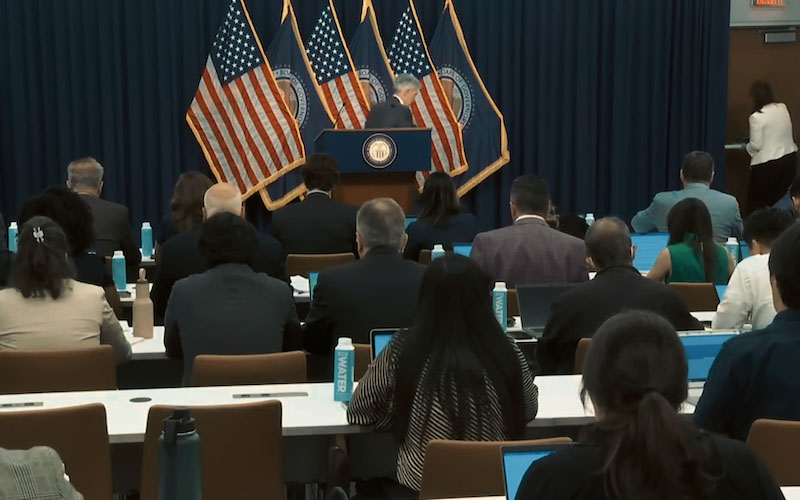
Trump threatened to bomb all of Iran's energy facilities if it didn't open the Straits of Hormuz; Brent crude oil may see its biggest monthly gain.
2026-03-31 09:18:51
The conflict between the United States and Iran has reached a critical juncture, with US President Trump issuing a new, strong warning, while Iran has explicitly rejected the US peace proposal, leading to a continued escalation of regional tensions. Multiple missile and drone attacks have further expanded the scope of the conflict, and US reinforcements continue to arrive in the Middle East.
These latest developments have not only exacerbated concerns about military escalation, but have also directly driven up international oil prices, posing a severe challenge to the global energy market.
US President Donald Trump on Monday (March 30) explicitly warned that if Tehran does not immediately open the Strait of Hormuz, the United States will destroy Iran's energy facilities, oil wells, and the Kharg Island export hub. He added that if negotiations fail to reach an agreement soon, the United States will end the conflict by bombing and completely destroying all of Iran's power plants, oil wells, and desalination plants.
Trump posted on social media that the United States is negotiating with a "more rational regime" in Iran to end the war, but he also emphasized that if the Strait of Hormuz is not immediately reopened to navigation, the United States will take the aforementioned extreme measures.
Iranian Foreign Ministry spokesman Esmaeil Baghaei said that Iran had received peace proposals from the United States through intermediaries, but he bluntly stated that these proposals were "impractical, illogical, and excessive." Baghaei added at a press conference, "Our position is clear: we are suffering military aggression. Therefore, all our efforts and resources are focused on self-defense."
Iran remains firm in its stance, and the conflict, which began on February 28, has spread throughout the region, killing thousands, many of them civilians, and effectively blocking the Strait of Hormuz.
The Israeli military said it intercepted two drones from Yemen on Monday after the Houthi rebels officially intervened in the conflict by launching missiles at Israel. Hezbollah in Lebanon also fired rockets into Israel. The Israeli military subsequently launched missile strikes against military facilities in Tehran and Hezbollah-linked infrastructure in Beirut.
The Turkish Ministry of Defense stated that a ballistic missile launched from Iran entered Turkish airspace and was shot down by NATO air and missile defense systems, marking the fourth such incident since the outbreak of the war. These incidents further demonstrate that the conflict is spreading to a wider area.
White House Press Secretary Karoline Leavitt stated that Trump hopes to reach an agreement with Tehran before the April 6 deadline. She added that negotiations with Iran are progressing, but Iran's public statements are inconsistent with the messages it has privately conveyed to U.S. officials.
Meanwhile, two U.S. officials revealed that thousands of soldiers from the U.S. Army's elite 82nd Airborne Division have begun arriving in the Middle East, indicating that the U.S. is strengthening its military deployment while seeking negotiations.
The Trump administration has requested an additional $200 billion for war funding, but this request faces strong opposition in the U.S. Congress.
A Pakistani security official said the likelihood of direct talks between the US and Iran this week seems slim. This further increases doubts about reaching an agreement in the near future.
The White House stated that Trump is considering asking Arab countries to share some of the war costs. In response to a reporter's question, Levitt said, "I know he has this idea, and I think you will hear more from him on this matter."
Vandana Hari of oil market analysis firm Vanda Insights said the oil market has almost completely ruled out the possibility of ending the war through negotiations and is preparing for a sharp escalation of the military conflict.
Overall, Trump's approach—signaling progress in negotiations and setting deadlines while simultaneously issuing extreme military threats—demonstrates a strategy of "pressure while negotiating." Iran, meanwhile, maintains its defensive stance and rejects peace proposals deemed "unrealistic." Meanwhile, the involvement of multiple armed groups and the continued reinforcement of US troops have added further uncertainty to the regional situation.
The continued blockade of the Strait of Hormuz has become the biggest threat to global energy supply, and the risk of prolonged conflict is constantly rising.
The current conflict with Iran has effectively blocked the Strait of Hormuz, a strait that once handled one-fifth of the world's oil shipments. This bottleneck has triggered sharp fluctuations in the oil market. Brent crude futures extended their gains on Monday, poised for their largest monthly increase ever. In the short term, oil prices are likely to continue rising, driven by military threats and attacks.
In the medium to long term, if negotiations fail to achieve a breakthrough before the April 6 deadline, or if Trump delivers on his threat to destroy energy facilities, Iran's oil export capacity will be severely damaged, the global supply gap may widen further, and Brent crude oil prices will face continued upward pressure.
Furthermore, the potential threat posed by the Houthi rebels in Yemen to the Bab el-Mandeb Strait has increased the risk of shipping disruptions. Simultaneous blockage of both straits would have a cascading impact on energy-importing countries in Asia and Europe, pushing up inflation expectations. Investors need to closely monitor the progress of US-Iran negotiations, Iran's actual response, and the navigation status of the straits. In the short term, oil prices are likely to fluctuate upwards, while in the medium term, an escalation of the conflict could lead to a more significant supply shock.
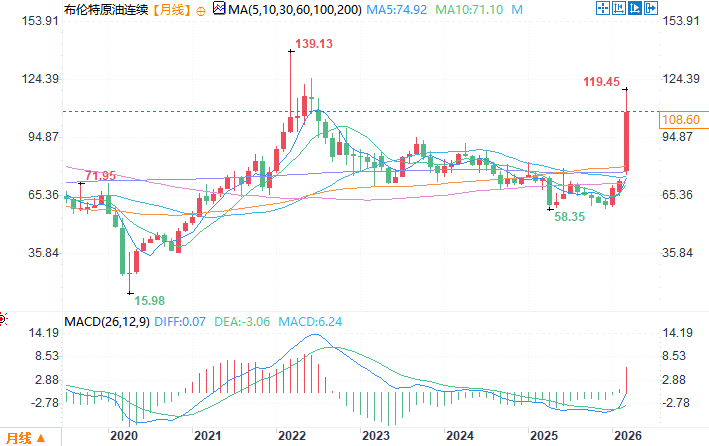
Brent crude oil monthly chart source: EasyForex
At 9:18 AM Beijing time on March 31, the Brent crude oil June futures contract was trading at $107.88 per barrel.
These latest developments have not only exacerbated concerns about military escalation, but have also directly driven up international oil prices, posing a severe challenge to the global energy market.
Trump issues new warning: Destroy Iranian energy facilities if the Strait is not opened
US President Donald Trump on Monday (March 30) explicitly warned that if Tehran does not immediately open the Strait of Hormuz, the United States will destroy Iran's energy facilities, oil wells, and the Kharg Island export hub. He added that if negotiations fail to reach an agreement soon, the United States will end the conflict by bombing and completely destroying all of Iran's power plants, oil wells, and desalination plants.
Trump posted on social media that the United States is negotiating with a "more rational regime" in Iran to end the war, but he also emphasized that if the Strait of Hormuz is not immediately reopened to navigation, the United States will take the aforementioned extreme measures.
Iran responded strongly: The US peace proposal is "unrealistic".
Iranian Foreign Ministry spokesman Esmaeil Baghaei said that Iran had received peace proposals from the United States through intermediaries, but he bluntly stated that these proposals were "impractical, illogical, and excessive." Baghaei added at a press conference, "Our position is clear: we are suffering military aggression. Therefore, all our efforts and resources are focused on self-defense."
Iran remains firm in its stance, and the conflict, which began on February 28, has spread throughout the region, killing thousands, many of them civilians, and effectively blocking the Strait of Hormuz.
Multiple parties intervened in the conflict, and missile and drone attacks continued.
The Israeli military said it intercepted two drones from Yemen on Monday after the Houthi rebels officially intervened in the conflict by launching missiles at Israel. Hezbollah in Lebanon also fired rockets into Israel. The Israeli military subsequently launched missile strikes against military facilities in Tehran and Hezbollah-linked infrastructure in Beirut.
The Turkish Ministry of Defense stated that a ballistic missile launched from Iran entered Turkish airspace and was shot down by NATO air and missile defense systems, marking the fourth such incident since the outbreak of the war. These incidents further demonstrate that the conflict is spreading to a wider area.
The US is increasing troop numbers while negotiating, with the White House setting an April 6 deadline.
White House Press Secretary Karoline Leavitt stated that Trump hopes to reach an agreement with Tehran before the April 6 deadline. She added that negotiations with Iran are progressing, but Iran's public statements are inconsistent with the messages it has privately conveyed to U.S. officials.
Meanwhile, two U.S. officials revealed that thousands of soldiers from the U.S. Army's elite 82nd Airborne Division have begun arriving in the Middle East, indicating that the U.S. is strengthening its military deployment while seeking negotiations.
The Trump administration has requested an additional $200 billion for war funding, but this request faces strong opposition in the U.S. Congress.
Pakistan assesses that direct talks this week are unlikely.
A Pakistani security official said the likelihood of direct talks between the US and Iran this week seems slim. This further increases doubts about reaching an agreement in the near future.
Concerns about escalation intensify
The White House stated that Trump is considering asking Arab countries to share some of the war costs. In response to a reporter's question, Levitt said, "I know he has this idea, and I think you will hear more from him on this matter."
Vandana Hari of oil market analysis firm Vanda Insights said the oil market has almost completely ruled out the possibility of ending the war through negotiations and is preparing for a sharp escalation of the military conflict.
In summary, the current situation is characterized by a coexistence of negotiation and military pressure, and the future of the conflict remains unclear.
Overall, Trump's approach—signaling progress in negotiations and setting deadlines while simultaneously issuing extreme military threats—demonstrates a strategy of "pressure while negotiating." Iran, meanwhile, maintains its defensive stance and rejects peace proposals deemed "unrealistic." Meanwhile, the involvement of multiple armed groups and the continued reinforcement of US troops have added further uncertainty to the regional situation.
The continued blockade of the Strait of Hormuz has become the biggest threat to global energy supply, and the risk of prolonged conflict is constantly rising.
Analysis of the impact on oil prices
The current conflict with Iran has effectively blocked the Strait of Hormuz, a strait that once handled one-fifth of the world's oil shipments. This bottleneck has triggered sharp fluctuations in the oil market. Brent crude futures extended their gains on Monday, poised for their largest monthly increase ever. In the short term, oil prices are likely to continue rising, driven by military threats and attacks.
In the medium to long term, if negotiations fail to achieve a breakthrough before the April 6 deadline, or if Trump delivers on his threat to destroy energy facilities, Iran's oil export capacity will be severely damaged, the global supply gap may widen further, and Brent crude oil prices will face continued upward pressure.
Furthermore, the potential threat posed by the Houthi rebels in Yemen to the Bab el-Mandeb Strait has increased the risk of shipping disruptions. Simultaneous blockage of both straits would have a cascading impact on energy-importing countries in Asia and Europe, pushing up inflation expectations. Investors need to closely monitor the progress of US-Iran negotiations, Iran's actual response, and the navigation status of the straits. In the short term, oil prices are likely to fluctuate upwards, while in the medium term, an escalation of the conflict could lead to a more significant supply shock.
Brent crude oil monthly chart source: EasyForex
At 9:18 AM Beijing time on March 31, the Brent crude oil June futures contract was trading at $107.88 per barrel.
- Risk Warning and Disclaimer
- The market involves risk, and trading may not be suitable for all investors. This article is for reference only and does not constitute personal investment advice, nor does it take into account certain users’ specific investment objectives, financial situation, or other needs. Any investment decisions made based on this information are at your own risk.