The CPI hit a precise 4.2%! Gold briefly surged by $40 before plummeting, revealing a more dangerous signal hidden beneath the surface of inflation. Both bulls and bears are waiting for the starting gun.
2026-06-10 20:40:54
On Wednesday (June 10), at 8:30 PM Beijing time, the U.S. Bureau of Labor Statistics released its May unadjusted CPI annual rate, which came in at 4.2%, fully in line with market expectations and up from 3.8% in April, reaching a new high since April 2023. The core CPI annual rate was 2.9%, also in line with expectations. Energy prices were the main driver of this CPI increase. Seasonally adjusted energy inflation rose 3.9% month-on-month in May, while gasoline inflation rose 7.0% month-on-month. The situation in the Middle East pushed up energy costs, directly impacting consumers. Short-term interest rate futures indicate that traders have reduced their bets on a Federal Reserve rate hike, with the market believing that the Fed is still highly likely to maintain current interest rates.
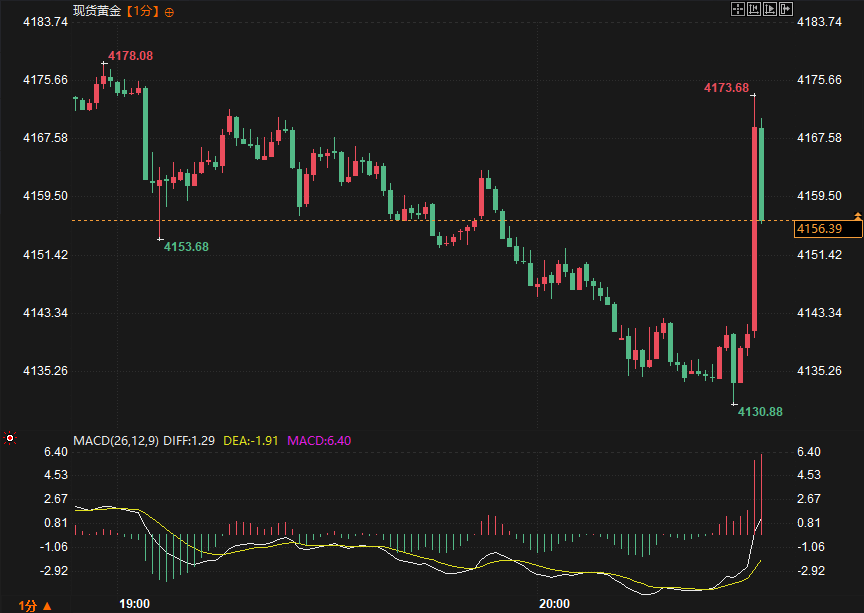
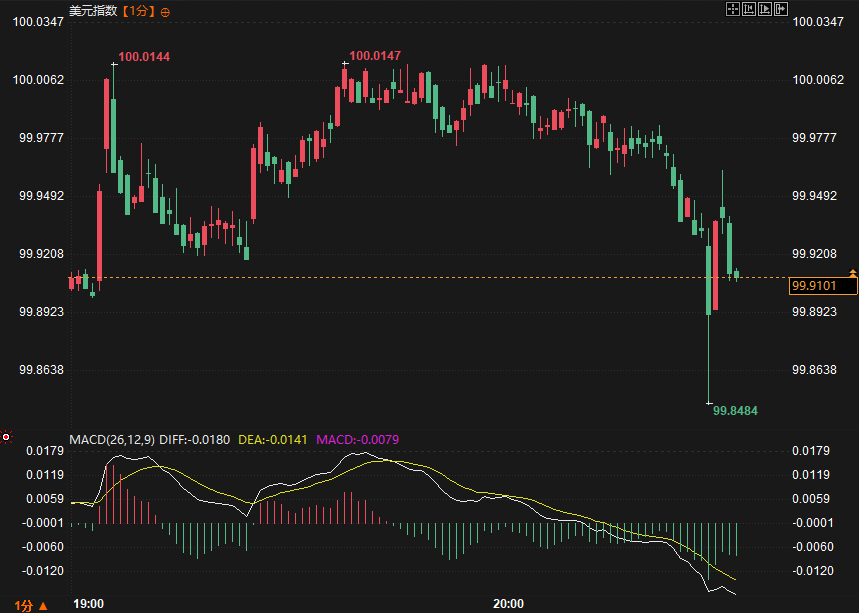
Following the data release, gold prices briefly surged by nearly $40 before giving back some of the gains, currently trading at $4160.22 per ounce; the dollar index fell by about 8 points before rebounding, currently trading at 99.9074.
While meeting expectations, the latest CPI data highlighted the persistence and structural characteristics of inflationary pressures. The energy component saw significant acceleration both month-on-month and year-on-year, with the national average gasoline price rising to $4.60 per gallon, reflecting the direct impact of external supply shocks on domestic prices. Within the core services component, housing-related indicators saw a moderate month-on-month increase, but the overall core CPI annual rate remained high at 2.9%, indicating that potential inflation stickiness exceeded some market optimism.
From a fundamental perspective, price increases have outpaced wage growth for the second consecutive month. Average hourly earnings in May rose only 3.4% year-on-year, the slowest pace since 2021. Consumer purchasing power continues to be eroded, with a New York Fed survey showing job seekers are more cautious about the labor market outlook and unemployment concerns are rising. This contrasts with strong employment data: non-farm payrolls exceeded expectations in May, and the unemployment rate remained stable at 4.3%. This environment of strong employment coupled with high inflation presents the Federal Reserve with a complex trade-off in its policy path, requiring it to consider both growth resilience and price pressures.
Prior to the data release, major institutions generally focused on a temporary energy-driven surge, while also expressing concern about whether core inflation would exceed expectations. Some analysts believed that if energy prices fell after the ceasefire, May could mark a temporary peak in CPI. After the data release, institutional views shifted to cautious optimism: inflation met expectations but was not out of control; the mainstream view remained that the Federal Reserve would maintain interest rates unchanged; and the threshold for a short-term policy shift towards interest rate hikes was high.
Prior to the event, retail investor discussions largely revolved around the potential risks of "hot inflation" and a hawkish shift in the Federal Reserve, leading to high volatility expectations for gold and the US dollar. After the data was released, retail investor feedback was relatively calm, with many believing it was "in line with expectations and without any major surprises." Some pointed out that the slowdown in core indicators provided some buffer, and market sentiment did not experience a drastic shift. The main difference between institutional and retail investor expectations lay in their assessment of the data's sustainability: institutions focused more on data details and the Fed's reaction function, while retail investors were more sensitive to short-term price fluctuations.
From a technical perspective, gold prices surged briefly after the data release before retreating, reflecting a short-term market reaction to the "bad news is good news" scenario (inflation meeting expectations reduced the risk of interest rate hikes). The US dollar index also showed a similar pattern of initial decline followed by a rise, indicating a rapid battle between bulls and bears. Related commodities experienced short-term directional fluctuations driven by inflation data, while long-term trends still depend on energy price movements and subsequent communication from the Federal Reserve. Overall, the data had a relatively balanced impact on both bullish and bearish sides, without creating a dominant unilateral signal.
In the short term, market attention will shift to the tone of the Federal Reserve's next meeting. If energy prices show signs of decline in the following months, the year-on-year pressure on CPI is expected to gradually ease, supporting asset prices to fluctuate within the current range. Conversely, if inflation stickiness continues to exceed expectations, the pressure to adjust the interest rate path will gradually emerge, supporting the dollar and bond yields while testing the resilience of risk assets.
In the long term, attention should be paid to the dynamic balance between the recovery of actual purchasing power and economic growth. In the current environment, market trends will be more driven by data-driven expectation gaps, and investors should continue to track macroeconomic variables.
Q: What are the chances that the CPI data will exceed or fall short of expectations, and where will the main impacts on the market be?
The data fully met market expectations, with no significant deviations. The main impacts were concentrated on the accelerated rise in the energy sector and the relatively lagging wage growth affecting real purchasing power. Short-term market reactions were relatively restrained; fluctuations in gold and the US dollar reflected position adjustments after expectations were realized, rather than a trend reversal signal.
Q: How do rising energy prices translate into overall inflation and affect consumer behavior?
The sharp month-on-month increase in energy prices, especially gasoline, directly pushed up the headline CPI. Consumers face multiple cost pressures, including gasoline, food, and housing, coupled with slowing wage growth, leading to pressure on real disposable income. Some surveys indicate that consumers are drawing more on savings to maintain spending, which may test the resilience of consumption in the long run.
Q: How will the Federal Reserve adjust its policy path going forward?
The prevailing view among economists is that the Federal Reserve is still highly likely to maintain interest rates. Although some markets have begun pricing in the risk of a rate hike, the fundamental logic behind the high-threshold decision-making process remains unchanged. Going forward, the focus will be on observing inflation trends in core services and changes in the labor market.
Q: What is the logic behind the short-term impact of this data on gold and the US dollar index?
Gold prices briefly rose due to the "bad news is good news" trading logic, as data meeting expectations was observed, followed by a pullback due to profit-taking. The US dollar index initially fell before rising, reflecting a rapid rebalancing of interest rate expectations between bulls and bears. Both have remained within their recent trading ranges, and their movements will continue to be driven by subsequent energy prices and statements from the Federal Reserve.
Q: What are the main differences in opinions between institutional investors and retail investors before and after the data release?
Before the data release, institutions focused more on structural details and policy response functions, while retail investors emphasized volatility expectations. After the data release, institutions maintained cautious optimism, while retail investors remained calm, believing there would be no major disruptions. The core difference lies in the depth and time dimension of the analytical framework; institutions take a longer-term view, while retail investors focus more on immediate price reactions.
Following the data release, gold prices briefly surged by nearly $40 before giving back some of the gains, currently trading at $4160.22 per ounce; the dollar index fell by about 8 points before rebounding, currently trading at 99.9074.
Deep interconnect analysis
While meeting expectations, the latest CPI data highlighted the persistence and structural characteristics of inflationary pressures. The energy component saw significant acceleration both month-on-month and year-on-year, with the national average gasoline price rising to $4.60 per gallon, reflecting the direct impact of external supply shocks on domestic prices. Within the core services component, housing-related indicators saw a moderate month-on-month increase, but the overall core CPI annual rate remained high at 2.9%, indicating that potential inflation stickiness exceeded some market optimism.
From a fundamental perspective, price increases have outpaced wage growth for the second consecutive month. Average hourly earnings in May rose only 3.4% year-on-year, the slowest pace since 2021. Consumer purchasing power continues to be eroded, with a New York Fed survey showing job seekers are more cautious about the labor market outlook and unemployment concerns are rising. This contrasts with strong employment data: non-farm payrolls exceeded expectations in May, and the unemployment rate remained stable at 4.3%. This environment of strong employment coupled with high inflation presents the Federal Reserve with a complex trade-off in its policy path, requiring it to consider both growth resilience and price pressures.
Prior to the data release, major institutions generally focused on a temporary energy-driven surge, while also expressing concern about whether core inflation would exceed expectations. Some analysts believed that if energy prices fell after the ceasefire, May could mark a temporary peak in CPI. After the data release, institutional views shifted to cautious optimism: inflation met expectations but was not out of control; the mainstream view remained that the Federal Reserve would maintain interest rates unchanged; and the threshold for a short-term policy shift towards interest rate hikes was high.
Prior to the event, retail investor discussions largely revolved around the potential risks of "hot inflation" and a hawkish shift in the Federal Reserve, leading to high volatility expectations for gold and the US dollar. After the data was released, retail investor feedback was relatively calm, with many believing it was "in line with expectations and without any major surprises." Some pointed out that the slowdown in core indicators provided some buffer, and market sentiment did not experience a drastic shift. The main difference between institutional and retail investor expectations lay in their assessment of the data's sustainability: institutions focused more on data details and the Fed's reaction function, while retail investors were more sensitive to short-term price fluctuations.
From a technical perspective, gold prices surged briefly after the data release before retreating, reflecting a short-term market reaction to the "bad news is good news" scenario (inflation meeting expectations reduced the risk of interest rate hikes). The US dollar index also showed a similar pattern of initial decline followed by a rise, indicating a rapid battle between bulls and bears. Related commodities experienced short-term directional fluctuations driven by inflation data, while long-term trends still depend on energy price movements and subsequent communication from the Federal Reserve. Overall, the data had a relatively balanced impact on both bullish and bearish sides, without creating a dominant unilateral signal.
Trend Outlook
In the short term, market attention will shift to the tone of the Federal Reserve's next meeting. If energy prices show signs of decline in the following months, the year-on-year pressure on CPI is expected to gradually ease, supporting asset prices to fluctuate within the current range. Conversely, if inflation stickiness continues to exceed expectations, the pressure to adjust the interest rate path will gradually emerge, supporting the dollar and bond yields while testing the resilience of risk assets.
In the long term, attention should be paid to the dynamic balance between the recovery of actual purchasing power and economic growth. In the current environment, market trends will be more driven by data-driven expectation gaps, and investors should continue to track macroeconomic variables.
Frequently Asked Questions
Q: What are the chances that the CPI data will exceed or fall short of expectations, and where will the main impacts on the market be?
The data fully met market expectations, with no significant deviations. The main impacts were concentrated on the accelerated rise in the energy sector and the relatively lagging wage growth affecting real purchasing power. Short-term market reactions were relatively restrained; fluctuations in gold and the US dollar reflected position adjustments after expectations were realized, rather than a trend reversal signal.
Q: How do rising energy prices translate into overall inflation and affect consumer behavior?
The sharp month-on-month increase in energy prices, especially gasoline, directly pushed up the headline CPI. Consumers face multiple cost pressures, including gasoline, food, and housing, coupled with slowing wage growth, leading to pressure on real disposable income. Some surveys indicate that consumers are drawing more on savings to maintain spending, which may test the resilience of consumption in the long run.
Q: How will the Federal Reserve adjust its policy path going forward?
The prevailing view among economists is that the Federal Reserve is still highly likely to maintain interest rates. Although some markets have begun pricing in the risk of a rate hike, the fundamental logic behind the high-threshold decision-making process remains unchanged. Going forward, the focus will be on observing inflation trends in core services and changes in the labor market.
Q: What is the logic behind the short-term impact of this data on gold and the US dollar index?
Gold prices briefly rose due to the "bad news is good news" trading logic, as data meeting expectations was observed, followed by a pullback due to profit-taking. The US dollar index initially fell before rising, reflecting a rapid rebalancing of interest rate expectations between bulls and bears. Both have remained within their recent trading ranges, and their movements will continue to be driven by subsequent energy prices and statements from the Federal Reserve.
Q: What are the main differences in opinions between institutional investors and retail investors before and after the data release?
Before the data release, institutions focused more on structural details and policy response functions, while retail investors emphasized volatility expectations. After the data release, institutions maintained cautious optimism, while retail investors remained calm, believing there would be no major disruptions. The core difference lies in the depth and time dimension of the analytical framework; institutions take a longer-term view, while retail investors focus more on immediate price reactions.
- Risk Warning and Disclaimer
- The market involves risk, and trading may not be suitable for all investors. This article is for reference only and does not constitute personal investment advice, nor does it take into account certain users’ specific investment objectives, financial situation, or other needs. Any investment decisions made based on this information are at your own risk.