Don't be fooled by the oil price crash: Diesel is hiding a "reflation nuclear bomb," and gold has already sent a signal.
2026-07-27 19:51:02
On Monday (July 27), news of a suspension of military operations between the US and Iran triggered a massive sell-off in the oil market, with Brent crude plunging nearly 7% and falling below the $91 mark. Gold, after a brief period of pressure, unexpectedly rallied, returning to around $4,100. US Treasury bonds also surged, with the 10-year yield falling to around 4.62%, and market bets on a Fed rate hike this week plummeting from 38% to 30%. However, Iran subsequently accused Ukraine of attacking Caspian Sea merchant ships, planting a new fuse for a potential crisis in the fragile easing of tensions.  As soon as the fighting in the Middle East ceased, oil bulls suffered a devastating "Black Monday." However, gold and US Treasury bonds unexpectedly surged in tandem, revealing a tacit understanding among traders—"TACO." The market widely mocked this as just another "Trump-style retreat," with the fundamental contradictions far from resolved. The real devil is in the details: diesel costs harbor the specter of reflation, and the Caspian Sea is welding the Russia-Ukraine situation and the Middle East chaos together. This article will cut through the fog of news, dissecting the sentiment, risks, and three core trading themes behind the illusion of a plummeting oil price. All analysis is based on publicly available news and does not constitute any operational guidance.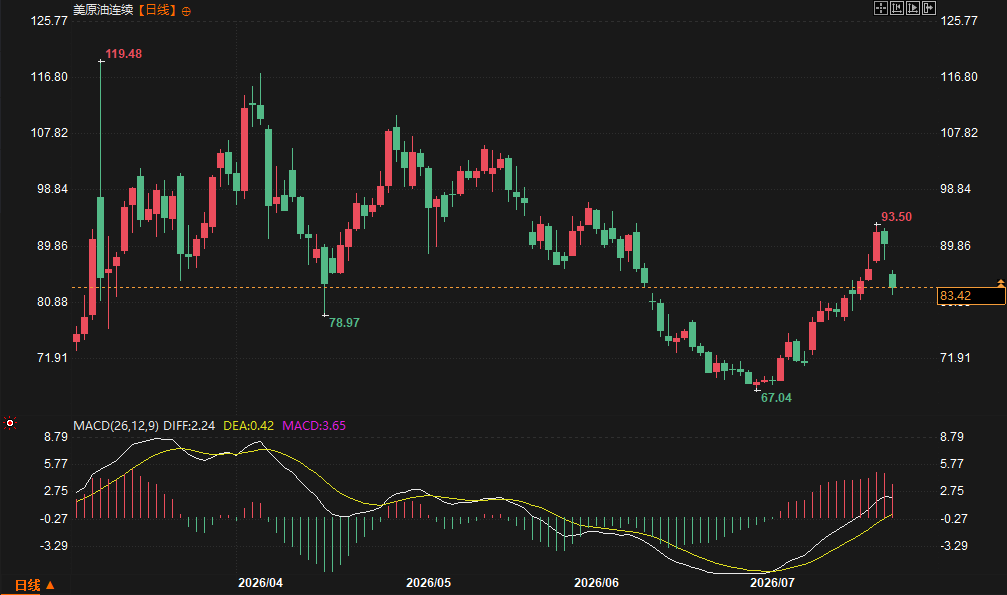
As soon as the fighting in the Middle East ceased, oil bulls suffered a devastating "Black Monday." However, gold and US Treasury bonds unexpectedly surged in tandem, revealing a tacit understanding among traders—"TACO." The market widely mocked this as just another "Trump-style retreat," with the fundamental contradictions far from resolved. The real devil is in the details: diesel costs harbor the specter of reflation, and the Caspian Sea is welding the Russia-Ukraine situation and the Middle East chaos together. This article will cut through the fog of news, dissecting the sentiment, risks, and three core trading themes behind the illusion of a plummeting oil price. All analysis is based on publicly available news and does not constitute any operational guidance.Ceasefire Puzzle: Turning Point or "TACO" Trap?
Overseas mainstream institutions have pointed directly to the crux of the matter, calling this suspension a typical "TACO" ("Trump always backs down at the last minute"). The mere 13-day lull in fighting is far from restoring normal shipping in the Strait of Hormuz. The negotiations brokered by Oman only addressed temporary transit arrangements, with limited substantive breakthroughs. The 6% single-day plunge in oil prices was essentially a tsunami-like clearing of previous geopolitical premiums, rather than a fundamental resolution of the supply crisis. Traders' sentiment jumped from panic premiums to blind optimism in a very short time, which itself sowed the seeds of a severe backlash. Once the fragile dialogue breaks down, a stampede of short covering will instantly ignite a retaliatory surge. The market seems to be sitting on a powder keg, enjoying a brief period of calm.Interest Rate Engine Ignites: The Real Fuel for Gold's Counter-Trend Rally
The most direct chain reaction of the oil price collapse was the extinguishing of the Federal Reserve's sense of urgency to raise interest rates. The market's implied probability of a rate hike plummeted, with the 10-year US Treasury yield falling below 4.65% and approaching 4.62%. This provided the strongest upward push for gold, which pays no interest. While easing geopolitical risk aversion should have weighed on gold prices, the expected decline in real yields completely dominated pricing power, violently pulling gold back from its intraday low to around $4100. This unusual movement confirms that the core logic of gold trading has shifted—it is no longer merely a safe haven, but rather a hedging tool against the risk of central bank policy mistakes. Even the slightest shift in interest rate expectations has a greater influence on gold price direction than any bombshell.Caspian Sea Thunder: The Dangerous Convergence of the Russian-Ukrainian and Iranian Fronts
The most widely underestimated shockwaves are churning beneath the surface. Iran has publicly accused Ukrainian President Zelensky of ordering attacks on Iranian merchant ships in the Caspian Sea at Israel's request. This statement instantly connected the previously isolated Russia-Ukraine situation with the Middle East conflict. The market has not yet fully priced in its cascading consequences. Analysts from major overseas institutions have issued stern warnings: the real protagonist of this macroeconomic upheaval may not be crude oil, but rather medium distillates such as diesel. Russia's export restrictions have already strained diesel supplies to an extreme degree. If further chaos erupts in the Caspian energy corridor, diesel prices will be the first to spiral out of control, stubbornly pushing up core inflation through the transportation and agricultural chains. This gray rhino is bowing its heavy head, ready to charge at any moment.Foreign exchange turmoil: Risk appetite collides with oil price collapse
The US dollar index is currently stuck around 101. Theoretically, the improved risk appetite resulting from the ceasefire should boost commodity currencies like the Australian dollar and Canadian dollar, but the collapse in oil prices has cast a shadow over the Canadian dollar, creating extremely contradictory trading signals. Non-US currencies like the euro are silently awaiting the Fed's final signal. This distorted market situation precisely exposes the market's deep skepticism about the ceasefire's sustainability. Extremely divergent cross-currency fluctuations indicate that volatility in the foreign exchange market is about to increase significantly, and traders are preparing their positions for extreme "two-way surprises." In the short term, crude oil will repeatedly tug at the crossfire between oversold sentiment and fragile realities; any cough at the negotiating table could trigger violent two-way fluctuations. Gold has proven its extreme sensitivity to interest rate expectations. If the Fed releases any dovish details this week, gold prices will gain momentum to reach new highs; conversely, a profit-taking sell-off should be watched closely. The strong momentum of US Treasury bonds remains, but close attention must be paid to any potential anomalies in durable goods orders data. In the long run, once the specter of diesel-driven hidden inflation materializes, central banks will be dragged into a quagmire of forced tightening, at which point the gold-oil ratio and cross-asset linkages will face a disruptive reassessment. All the current easing may just be a rehearsal for the final stress test.Frequently Asked Questions
Does the oil price plunge mean the threat of inflation is over? Far from it. This is merely a stripping away of geopolitical premiums; the real, stubborn core driver of inflation is diesel. Russian export restrictions and the lurking crisis in the Caspian Sea could trigger a spiral of pressure on transportation and agricultural costs at any time. What does the "TACO" joke mean for traders? It's a collective mockery of the vulnerability of the agreement, a warning that the current easing is likely a tactical pause. For short positions in crude oil, there's a constant risk of a sudden reversal; any slight disturbance could trigger a squeeze-like sell-off. How will Iran's accusations against Ukraine disrupt the market? This is a lurking "black swan." It links the Russia-Ukraine situation to the Middle East deadlock, directly threatening Caspian energy exports. If the situation escalates, diesel and crude oil will be the first to be affected, triggering a much more intense reflation panic trade than this one. What signals should we pay most attention to at this week's Fed meeting? Rate hikes are no longer the focus; a pause is highly probable. The real powder keg lies in the wording of the statement and the hints about the future interest rate path. Any lingering hawkish rhetoric could instantly reverse optimistic positions in the bond and gold markets, triggering violent market volatility.- Risk Warning and Disclaimer
- The market involves risk, and trading may not be suitable for all investors. This article is for reference only and does not constitute personal investment advice, nor does it take into account certain users’ specific investment objectives, financial situation, or other needs. Any investment decisions made based on this information are at your own risk.