Walsh's "Chairman's Definition" Moment: He doesn't want to predict the future, but what does the market want to see from him?
2026-08-26 11:45:00
Federal Reserve Chairman Warsh will deliver a keynote address at the Jackson Hole annual symposium on Friday (August 28), but markets are skeptical about whether he will provide clear policy guidance. Warsh has previously stated his reluctance to predict the Fed's policy plans, leaving economists to glean only fragmented clues from his speech. Former Fed economists point out that Warsh's speaking style may define his term as chairman, much like Bernanke's emphasis on economic history, Yellen's focus on the labor market, and Powell's focus on risk management. Warsh only needs to explain the logic behind his decisions—why interest rates are maintained, which data to focus on, and how the framework works. 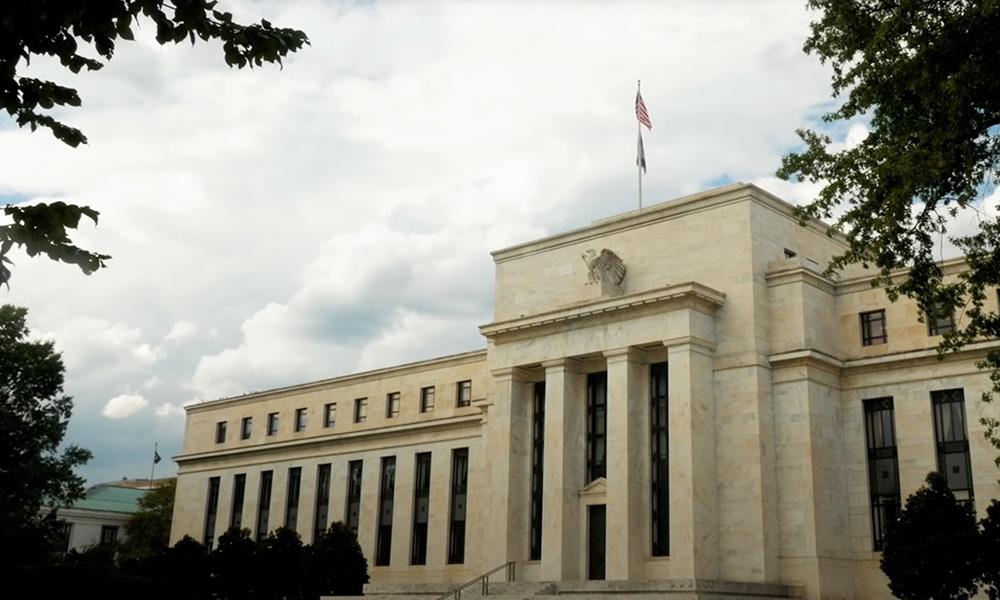
The gap between market expectations and reality: Economists search for "breadcrumbs"
Federal Reserve Chairman Kevin Warsh will deliver a keynote address in Jackson Hole on Friday, but markets are generally skeptical that he will provide clear policy guidance. Warsh has repeatedly stated his reluctance to make specific predictions about the Fed's future policy plans, a stark contrast to the expectations of some market participants who hope for clear direction. Economists still hope to use this opportunity to learn about the Fed's latest assessments of inflation trends, economic growth prospects, and the appropriateness of current interest rate levels. JPMorgan Asset Management's chief global strategist admitted that there could be a significant gap between expectations and reality. He likened it to: "As economists, we want a big slice of cake, but if we don't get it, we'll carefully look for any crumbs." This vividly reflects the current market sentiment—in the absence of direct policy path hints, analysts will pay close attention to any subtle changes in wording, the emphasis on data, and the assessment of economic risks in the speech, attempting to piece together clues about policy inclinations. As a high-profile platform, Jackson Hole, even with limited signals, could still trigger significant market volatility.Policy Working Group and Data Issues
Economists are eagerly awaiting updates from Warsh on the policy task force he established earlier this year, particularly the data-related group responsible for "improving the quality and timeliness of actual economic signals guiding the Fed's policy decisions." This group's work is seen as closely linked to Warsh's efforts to modernize the Fed's decision-making framework. Warsh has previously stated publicly that the Fed should rely more on private sector data rather than overly on traditional government reports, a stance that has sparked widespread discussion about data sources and the quality of policy signals. The market wants to know which specific indicators are considered truly useful for policymaking under Warsh's framework. Is it high-frequency consumer data, real-time employment indicators, private sector inflation tracking, or other alternative signals? Economists believe that if Warsh can share the task force's interim results or specific data preferences in his speech, it will help the market better understand the Fed's future logic for assessing the economic situation. Improved data quality and timeliness may become a significant direction for policy communication and decision-making transparency during his tenure.Walsh's "Chairman's Definition" Moment
A former Federal Reserve economist points out that Warsh's speech style and content could be a pivotal moment in defining his tenure as chairman. Historically, Bernanke emphasized economic history and crisis lessons, Yellen focused on the labor market and full employment, and Powell highlighted risk management and policy flexibility. Warsh, similarly, doesn't need to directly predict future interest rate paths; he only needs to clearly explain the logic behind the decisions already made: why the decision was made to maintain interest rates, which data is currently of most concern, and how his thinking framework works. The former official stated, "These are decisions the Fed has already made. As chairman, he just needs to talk to us—why did we do this? What data are you looking at? What are you thinking about?" If this communication style can be successfully established, it will help the market form stable expectations of Warsh's decision-making style. Therefore, the Jackson Hole speech is not merely a routine policy statement, but may become the starting point for his policy communication model during his term, influencing how the market interprets the Fed's intentions in the coming months.Editor's Summary
Federal Reserve Chairman Warsh is set to deliver his first major speech since taking office in Jackson Hole, and there is a significant gap between market expectations for clear policy guidance and his previous "unwillingness to predict" statements. Economists are focusing on gleaning policy inclinations from subtle clues, while also paying close attention to the progress of the policy working group and data preferences. His speaking style may become a key factor in defining his communication pattern during his term as chairman. In the absence of direct hints, market volatility risks remain, and subsequent data and official statements will continue to dominate the evolution of interest rate expectations.Frequently Asked Questions
Q: Why is the market skeptical of Warsh's Jackson Hole speech regarding clear policy guidance? A: Since taking office, Warsh has repeatedly stated publicly that he is unwilling to make specific predictions about the Fed's future policy plans. This stance contrasts with the tradition of previous chairs providing directional signals at Jackson Hole. The market is accustomed to looking for clues about the interest rate path in the chair's speeches, but Warsh prefers to avoid "spoiler" communication. Economists therefore expect the speech to focus on a principled framework rather than a specific timetable for action, leading to a widespread mentality of "wanting the cake but only finding crumbs." As a high-profile platform, even limited signals at Jackson Hole can be amplified and interpreted by changes in wording, triggering market volatility. This gap between expectations and reality is the core source of the current wait-and-see sentiment. Q: What does the policy working group mentioned by Warsh mainly focus on? Why has it attracted market interest? A: Among the policy working groups established by Warsh at the beginning of the year, the data-related group is responsible for improving the quality and timeliness of actual economic signals guiding the Fed's policy decisions. Warsh advocates relying more on private sector data rather than over-reliance on traditional government reports, a position that has sparked widespread discussion about data sources and signal quality. The market wants to know which specific indicators are considered truly useful, such as high-frequency consumption, real-time employment, or private inflation tracking. If the speech reveals interim results or data preferences, it will help the market understand the Fed's future economic assessment logic and may foreshadow a modernization of the decision-making framework. Improving data quality is seen as an important direction for communication and transparency during his term. Q: Why is it said that Warsh's speech may define his term as chairman? A: Historically, Fed chairs have often established their personal style and communication pattern through important speeches. Bernanke emphasized economic history and crisis lessons, Yellen focused on the labor market, and Powell highlighted risk management. Warsh's Jackson Hole speech, as his first high-profile address since taking office, may become a key reference for the market in defining his term. He doesn't need to predict future plans; he only needs to explain the logic behind the decisions already made—why maintain interest rates, which data to focus on, and how the framework works. If he can successfully establish a clear and restrained communication style, it will help the market form stable expectations and influence the interpretation of the Fed's intentions in the following months. Q: What exactly do economists mean by "looking for breadcrumbs"? A: This analogy, coined by the chief global strategist at JPMorgan Asset Management, vividly describes the current market sentiment. Lacking direct hints of policy direction, analysts cannot obtain a clear "whole cake" of guidance and must instead carefully analyze subtle changes in wording, the emphasis on data, and assessments of economic risks. These scattered clues are likened to "breadcrumbs," used to piece together policy leanings. Even with limited signals, the Jackson Hole speech can still trigger significant volatility due to its high profile, making the market highly sensitive to every detail. Q: What are the potential short-term market impacts of the Jackson Hole speech? A: As a platform closely watched by global central bank officials and market participants, the Jackson Hole president's speech has historically had a strong market influence. Even if Warsh avoids providing a clear path, his statements on inflation, growth, data preferences, or decision-making logic could still alter market pricing for the September and subsequent meetings. Currently, with volatility in US Treasury yields and fiscal concerns coexisting, any signal interpreted as hawkish or dovish could trigger rapid adjustments in the US dollar, US Treasuries, and risk assets. Following the speech, the market will quickly digest the details of the wording and, together with other upcoming data, influence short-term interest rate expectations and asset price trends.- Risk Warning and Disclaimer
- The market involves risk, and trading may not be suitable for all investors. This article is for reference only and does not constitute personal investment advice, nor does it take into account certain users’ specific investment objectives, financial situation, or other needs. Any investment decisions made based on this information are at your own risk.