Analysts: The Fed's rate hike triggered a pullback in gold prices; this decline presents a long-term buying opportunity.
2026-09-17 12:22:09
The US economy has demonstrated strong resilience, coupled with persistently high inflation, leading the market to widely expect the Federal Reserve to raise interest rates continuously in the second half of 2026. This expectation will put downward pressure on gold prices in the short term. However, Alex Kuptsikevich, chief market analyst at FxPro, offers a different perspective. He believes that if gold prices correct due to the Fed's decision, it will actually create a rare long-term investment opportunity.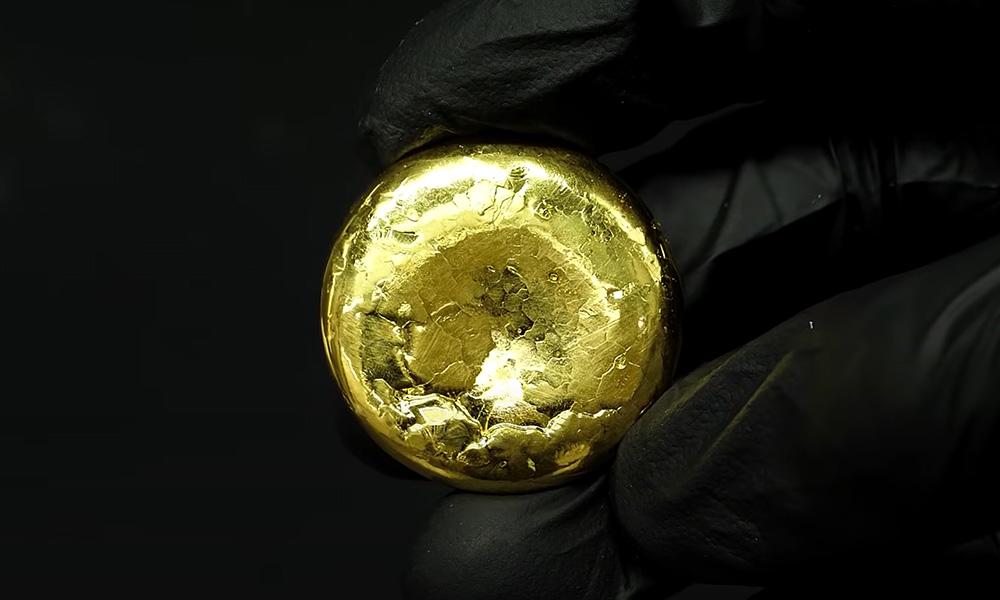
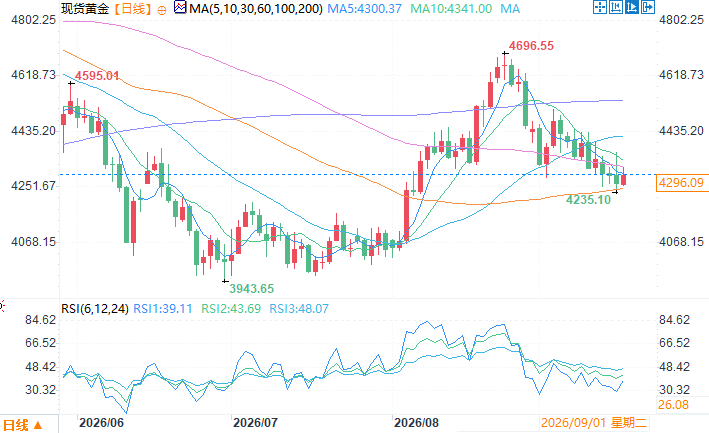 Spot gold daily chart source: FX678. At 12:20 Beijing time on September 17, spot gold was trading at $4294.60 per ounce.
The expectation of another Fed rate hike this year is favorable for gold.
The Federal Reserve announced a 25 basis point interest rate hike early Thursday morning (September 17th) Beijing time. The market anticipates an 80% probability of a second rate hike before the end of 2026. In his latest precious metals research report, Alex Kuptsikevich analyzed that the Fed's rate hike could actually provide buying support for gold. He stated, "The baseline scenario for the interest rate futures market is monetary policy tightening, while the Federal Open Market Committee (FOMC) signals expectations of further rate hikes this year. In this scenario, the dollar will remain stable, market concerns about the Fed's long-term loss of control will ease, and long-term Treasury yields are expected to decline, creating an overall favorable environment for gold. However, if the FOMC signals three rate hikes this year, the dollar will strengthen significantly, and the precious metals market will experience a wave of selling."Gold prices have shown resilience, but a more hawkish stance than expected remains the biggest short-term risk.
Despite continued expectations of interest rate hikes, the gold market has shown strong resilience, with spot gold prices briefly returning above $4,300. Alex Kupsiekiewicz added that the main risk for gold is a more hawkish signal from the Federal Reserve than the market anticipates. Over the past three weeks, a stronger dollar and rising US Treasury yields have consistently suppressed the price of this non-interest-bearing asset; however, whenever the dollar's rise slows slightly, gold quickly rebounds, demonstrating a close correlation between gold price fluctuations and the strength of the dollar.Beyond short-term market movements, geopolitical and fiscal uncertainties support the long-term value of gold.
The Federal Reserve's interest rate hikes will exacerbate discontent within the White House, and continued pressure from the White House on the Fed will fuel currency devaluation trades. With the US fiscal crisis unresolved and the Treasury's intervention in the foreign exchange and bond markets increasing, market demand for decentralized hard assets like gold is also rising. Alex Kupsiekiewicz stated, "Against this backdrop, the Fed's rate hikes, which drive down gold prices, actually create an excellent opportunity to allocate to gold." While short-term interest rate logic dominates gold price fluctuations, medium- to long-term factors such as geopolitical tensions and the massive US debt continue to provide underlying support for gold. One cannot be bearish on the long-term outlook for precious metals based solely on a single rate hike decision.Conclusion
The resilience of the US economy coupled with persistent inflation makes a rate hike in the second half of the year almost a certainty, and short-term interest rates remain the core variable affecting gold prices. The market has already priced in two rate hikes this year, and the actual statements from the Federal Reserve's policy meeting and the guidance of its dot plot will determine whether gold rebounds or is sold off. From a long-term perspective, US fiscal pressure and the policy game between the White House and the Federal Reserve all preserve gold's investment value. Amid short-term market volatility, analysts believe that pullbacks present opportunities for long-term gold positioning, and investors need to continuously monitor the Federal Reserve's speeches and the correlation between the dollar and US Treasury yields. Spot gold daily chart source: FX678. At 12:20 Beijing time on September 17, spot gold was trading at $4294.60 per ounce.
- Risk Warning and Disclaimer
- The market involves risk, and trading may not be suitable for all investors. This article is for reference only and does not constitute personal investment advice, nor does it take into account certain users’ specific investment objectives, financial situation, or other needs. Any investment decisions made based on this information are at your own risk.