The USD/JPY pair consolidated above 159, with strengthened expectations of an interest rate hike fueled by Japan's services PPI.
2026-11-25 12:08:32
On Wednesday (November 25) during the Asian session, the USD/JPY pair fluctuated around the 159.00 level, struggling to maintain the slight upward trend of the past two trading days. The balance of power between bulls and bears was evident, with traders reluctant to make large bets, awaiting the release of key US inflation data. 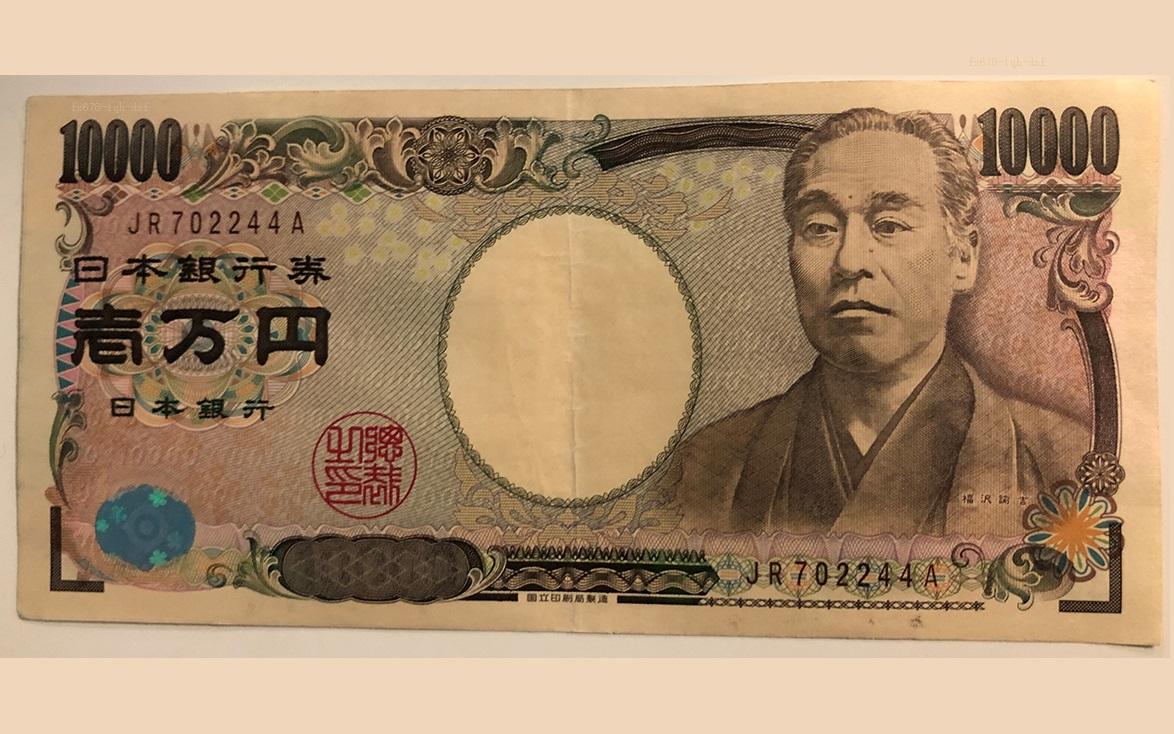
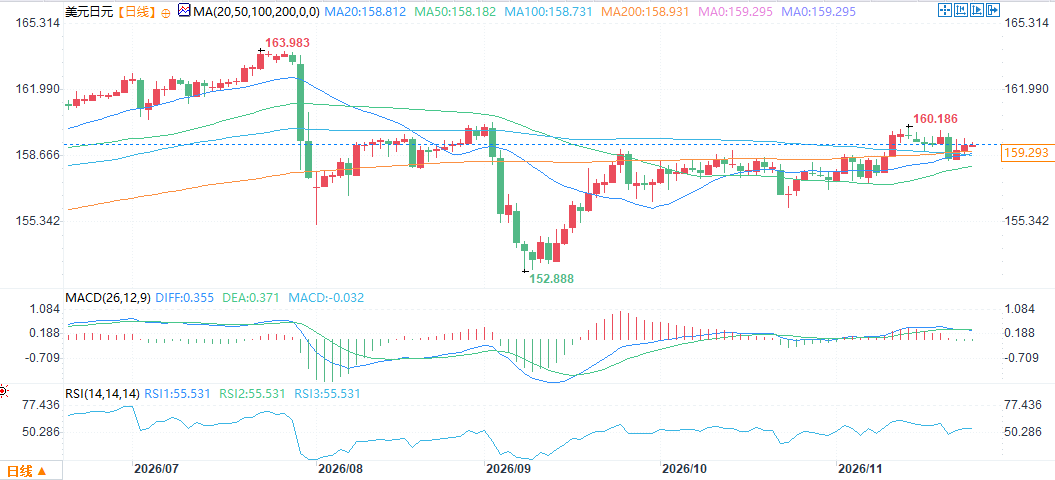 (USD/JPY daily chart, source: EasyForex) At 12:45 Beijing time, USD/JPY was trading at 159.27/28.
Service sector inflation has skyrocketed, boosting expectations of a Bank of Japan interest rate hike.
The Bank of Japan's latest data shows that the October services producer price index (PPI) rose sharply to 4.2% year-on-year, up from 3.8% in the previous month, marking the largest year-on-year increase since 1990. This data clearly shows that inflationary pressures in Japan have spread further from goods to the service sector, with significant price increases recorded in core services such as hotels, restaurants, transportation, and professional services. The market has quickly raised its expectations for the Bank of Japan's policy path, believing that the probability of a December rate hike has significantly increased, with some institutions even discussing the possibility of subsequent rate hikes. The sustainability of service sector inflation is particularly crucial, as it better reflects price pressures driven by domestic demand, rather than simply being affected by imported energy or exchange rate fluctuations. At the same time, a continued rapid depreciation of the yen will increase the risk of official intervention in the Japanese market. Past experience has shown that when the USD/JPY exchange rate approaches or breaks through key psychological levels, the Ministry of Finance and the Bank of Japan often intervene through verbal warnings or actual selling of dollars and buying of yen, thereby limiting further upside potential for the exchange rate. Nevertheless, Japan's policy interest rate remains significantly lower than that of major economies such as the United States, and the attractiveness of carry trades has not completely disappeared. Many investors still prefer to borrow low-interest yen and invest in high-interest dollar assets. This structural capital flow continues to suppress the yen's upward momentum, making it difficult for bulls to mount a strong offensive. Overall, soaring inflation in the service sector is reinforcing expectations of interest rate hikes, while also limiting the upside potential of the USD/JPY exchange rate due to both official intervention and carry trades.The US dollar received multiple supports as geopolitical risks escalated.
The dollar quickly found support from bargain hunting after retreating from a 20-month high the previous day. The market has almost fully priced in a 25-basis-point rate hike by the Federal Reserve in December, and traders are beginning to bet on further monetary tightening in early 2027. This repricing of the Fed's "higher and longer" interest rate path provides solid fundamental support for the dollar. Meanwhile, renewed geopolitical risks in the Middle East have become a significant catalyst for safe-haven demand for the dollar. The Houthi rebels have openly threatened to attack Saudi ports along the Red Sea coast, attempting to expand their disruption of shipping lanes; the Iranian Revolutionary Guard attacked container ships illegally transiting the Strait of Hormuz, raising concerns about global energy supplies and shipping security. The Strait of Hormuz is a crucial choke point for global oil transport, and any substantial conflict there could push up oil prices and exacerbate market risk aversion. In an environment of declining risk appetite, the dollar, as a traditional safe-haven currency, has once again gained favor, indirectly supporting the dollar/yen exchange rate. Furthermore, overall US economic data remains resilient, with the job market and consumer spending remaining stable, further consolidating the dollar's relative advantage. With multiple factors combined, the dollar bears have found it difficult to exert sustained downward pressure. Instead, the pullback has attracted new buying interest, causing the USD/JPY pair to maintain a high-level consolidation pattern during the Asian session.Key catalyst for market movement: US PCE inflation data tonight.
The US October PCE price index, to be released tonight, will be the core catalyst driving the short-term movement of the USD/JPY exchange rate. As the Federal Reserve's most closely watched inflation indicator, the year-on-year and month-on-month PCE data directly impact the market's reassessment of the future monetary policy path. If PCE inflation exceeds expectations, it will further solidify the certainty of a December rate hike by the Fed and strengthen expectations of "higher and longer" interest rates, thus benefiting the dollar and pushing up the USD/JPY. Conversely, if the data shows a significant cooling, it may trigger a repricing of the Fed's premature end to the tightening cycle, putting pressure on the dollar and providing the yen with a chance for a phase of recovery. Traders are currently generally adopting a cautious wait-and-see attitude, unwilling to establish large directional positions before the data release, resulting in narrow fluctuations in the exchange rate around 159.00. Furthermore, the performance of the core components of the PCE data is particularly important, as the core PCE, excluding food and energy, better reflects potential inflation trends. The market also needs to pay attention to the statements from Fed officials after the data release and the immediate changes in interest rate futures pricing. Overall, tonight's PCE will be a key variable in breaking the current stalemate between bulls and bears, and its outcome will directly determine whether the USD/JPY pair continues its high-level consolidation or begins a new round of directional movement. (USD/JPY daily chart, source: EasyForex) At 12:45 Beijing time, USD/JPY was trading at 159.27/28.
- Risk Warning and Disclaimer
- The market involves risk, and trading may not be suitable for all investors. This article is for reference only and does not constitute personal investment advice, nor does it take into account certain users’ specific investment objectives, financial situation, or other needs. Any investment decisions made based on this information are at your own risk.