Trump's State of the Union address was a high-profile display of achievements, but Democrats were absent in protests, and he also called for tariffs to abolish income tax.
2026-02-25 11:52:15
U.S. President Donald Trump delivered his first State of the Union address of his second term at a joint session of Congress at 10:00 a.m. Beijing time on Wednesday (February 25). In his speech, he described the U.S. economy as having achieved an "epoch-making turnaround" in a highly optimistic tone and repeatedly emphasized that tariff policy was one of the main reasons driving this remarkable recovery.
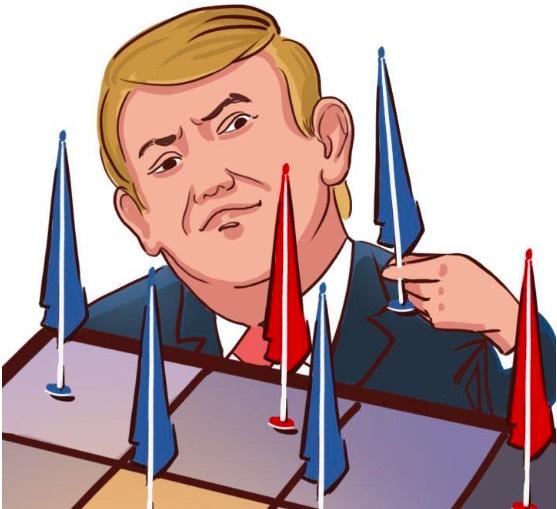
Trump opened his speech by declaring, "Our country is back, bigger, better, richer, and stronger than ever before." He stated that in just one year in office, the United States has achieved an "unprecedented transformation" and an "epoch-making reversal."
Key economic data includes:
Core inflation is expected to fall to 1.7% in the last three months of 2025, the lowest level in more than five years;
Inflation has “disappeared,” and gasoline prices in most states have fallen below $2.30 per gallon;
U.S. oil production increased by more than 600,000 barrels per day, and the country received more than 80 million barrels of oil from Venezuela.
Natural gas production hit a record high, thanks to its "drill baby drill" commitment;
In a short period of time, thousands of new enterprises and tens of thousands of construction jobs were created (including 70,000 new construction jobs).
All new jobs were created in the private sector;
Millions of Americans have been removed from the food stamp list (a reduction of 2.4 million).
End the "DEI" (Diversity, Equity, and Inclusion) policy and repeal a large number of "job-killing regulations".
Trump emphasized, "The private sector creates all jobs." He also linked these achievements to the largest tax cuts in history, including the Big and Beautiful Act, which eliminated taxes on tips, overtime pay, and Social Security contributions. He praised congressional Republicans for passing the bill, which cut taxes for millions of Americans, and criticized Democrats for "wanting massive tax increases to hurt people."
Trump stated, "One of the main reasons for the remarkable turnaround in the U.S. economy is tariffs." Trump has repeatedly emphasized the central role of tariffs in his economic agenda.
Through tariffs, the United States has collected billions of dollars from foreign countries and forced countries that previously “took advantage of the United States” to pay tens of billions of dollars.
These tariffs resulted in "excellent deals," and many countries and businesses chose to maintain existing agreements to avoid facing "far worse" new terms.
Despite the Supreme Court's recent ruling that his broad tariff policy was illegal (which Trump called a "very unfortunate ruling" and criticized directly before the Supreme Court justices), he stated that he would continue to implement the tariffs based on other "fully approved and tested legal provisions," without the need for congressional action.
He predicted: "Over time, foreign tariffs will, as in the past, largely replace the modern income tax system, greatly easing the financial burden on the people I love." Ultimately, "prices will fall to levels that many people thought impossible."
Trump also announced that "reciprocal tariffs" would be implemented starting April 2, meaning that the U.S. would impose the same tariffs as other countries; and that "considerable" tariffs would be imposed on products not manufactured in the U.S.
Trump touted his border security achievements: the United States has the "strongest border in history," with a significant reduction in fentanyl inflows (a record drop) and "zero illegal immigration" in the past nine months (although fact-checking shows that while the number of border crossings has plummeted from over 1.5 million during Biden's presidency to less than 28,000 in 2025, it has never truly been zero).
He called on congressional Democrats to restore funding to the Department of Homeland Security (DHS), end the partial government shutdown triggered by immigration enforcement controversies, and advocate for stricter voter identity laws.
Trump reiterated his desire to directly subsidize Americans' health insurance purchases and called on congressional Republican leaders to codify the Most Favored Nation (MFN) drug pricing policy into law. He claimed to have brought prescription drug prices "from the highest in the world to the lowest" (fact checks show that while some cash-payable drugs, such as weight-loss drugs, have seen price reductions, overall drug prices remain high, with many reductions stemming from previous administration's healthcare negotiations).
In addition, he honored Coast Guard rescue heroes and invited the U.S. men's Olympic ice hockey team as guests.
The speech took place in a complex environment: the Supreme Court's crackdown on tariff policies, a funding shortfall for the Department of Homeland Security, approximately 60% of the public dissatisfaction with his performance (polls showed predominantly negative views on inflation, tariffs, immigration, and economic handling), and only nine months until the midterm elections. Some Democratic lawmakers boycotted the speech and instead participated in counter-activities.
Market reaction was calm: the US dollar index is currently trading around 97.75, down about 0.15% on the day, with no significant fluctuations.
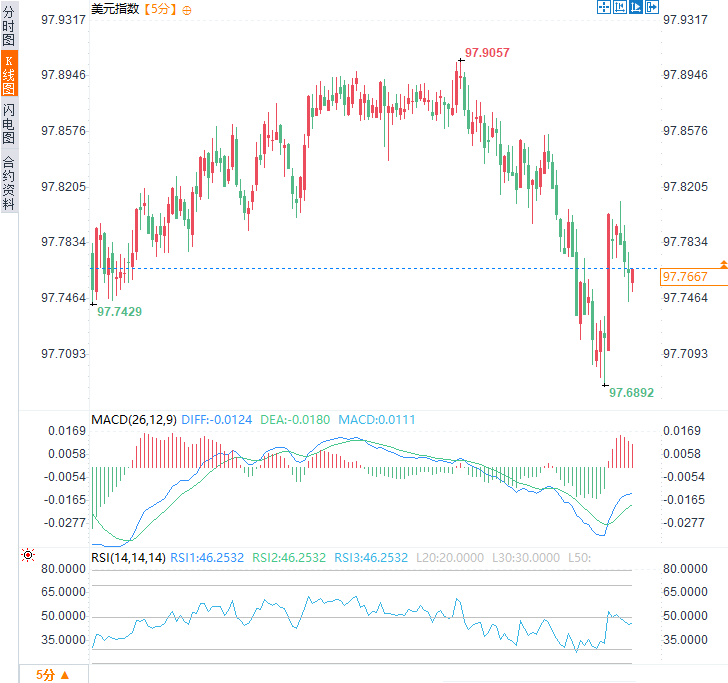
(US Dollar Index 5-minute chart, source: FX678)
Trump framed his State of the Union address as an affirmation of his first year in office and as a platform for the Republican Party's campaign ahead of the midterm elections. He summarized the current situation as "America won again" and a "golden age," insisting that tariffs would continue to drive economic growth, replace some taxes, and achieve "significant burden reduction." Despite facing legal setbacks, political divisions, and public pressure, his vision of tariffs as a long-term fiscal tool remained the most prominent economic proposition of the speech.
At 11:51 Beijing time, the US dollar index is currently at 97.78.
Economic data display
Trump opened his speech by declaring, "Our country is back, bigger, better, richer, and stronger than ever before." He stated that in just one year in office, the United States has achieved an "unprecedented transformation" and an "epoch-making reversal."
Key economic data includes:
Core inflation is expected to fall to 1.7% in the last three months of 2025, the lowest level in more than five years;
Inflation has “disappeared,” and gasoline prices in most states have fallen below $2.30 per gallon;
U.S. oil production increased by more than 600,000 barrels per day, and the country received more than 80 million barrels of oil from Venezuela.
Natural gas production hit a record high, thanks to its "drill baby drill" commitment;
In a short period of time, thousands of new enterprises and tens of thousands of construction jobs were created (including 70,000 new construction jobs).
All new jobs were created in the private sector;
Millions of Americans have been removed from the food stamp list (a reduction of 2.4 million).
End the "DEI" (Diversity, Equity, and Inclusion) policy and repeal a large number of "job-killing regulations".
Trump emphasized, "The private sector creates all jobs." He also linked these achievements to the largest tax cuts in history, including the Big and Beautiful Act, which eliminated taxes on tips, overtime pay, and Social Security contributions. He praised congressional Republicans for passing the bill, which cut taxes for millions of Americans, and criticized Democrats for "wanting massive tax increases to hurt people."
Are tariffs the main cause of the economic downturn?
Trump stated, "One of the main reasons for the remarkable turnaround in the U.S. economy is tariffs." Trump has repeatedly emphasized the central role of tariffs in his economic agenda.
Through tariffs, the United States has collected billions of dollars from foreign countries and forced countries that previously “took advantage of the United States” to pay tens of billions of dollars.
These tariffs resulted in "excellent deals," and many countries and businesses chose to maintain existing agreements to avoid facing "far worse" new terms.
Despite the Supreme Court's recent ruling that his broad tariff policy was illegal (which Trump called a "very unfortunate ruling" and criticized directly before the Supreme Court justices), he stated that he would continue to implement the tariffs based on other "fully approved and tested legal provisions," without the need for congressional action.
He predicted: "Over time, foreign tariffs will, as in the past, largely replace the modern income tax system, greatly easing the financial burden on the people I love." Ultimately, "prices will fall to levels that many people thought impossible."
Trump also announced that "reciprocal tariffs" would be implemented starting April 2, meaning that the U.S. would impose the same tariffs as other countries; and that "considerable" tariffs would be imposed on products not manufactured in the U.S.
Borders and Immigration: From Powerful Issues to Challenges
Trump touted his border security achievements: the United States has the "strongest border in history," with a significant reduction in fentanyl inflows (a record drop) and "zero illegal immigration" in the past nine months (although fact-checking shows that while the number of border crossings has plummeted from over 1.5 million during Biden's presidency to less than 28,000 in 2025, it has never truly been zero).
He called on congressional Democrats to restore funding to the Department of Homeland Security (DHS), end the partial government shutdown triggered by immigration enforcement controversies, and advocate for stricter voter identity laws.
Healthcare and other aspects
Trump reiterated his desire to directly subsidize Americans' health insurance purchases and called on congressional Republican leaders to codify the Most Favored Nation (MFN) drug pricing policy into law. He claimed to have brought prescription drug prices "from the highest in the world to the lowest" (fact checks show that while some cash-payable drugs, such as weight-loss drugs, have seen price reductions, overall drug prices remain high, with many reductions stemming from previous administration's healthcare negotiations).
In addition, he honored Coast Guard rescue heroes and invited the U.S. men's Olympic ice hockey team as guests.
Political Background and Market Reaction
The speech took place in a complex environment: the Supreme Court's crackdown on tariff policies, a funding shortfall for the Department of Homeland Security, approximately 60% of the public dissatisfaction with his performance (polls showed predominantly negative views on inflation, tariffs, immigration, and economic handling), and only nine months until the midterm elections. Some Democratic lawmakers boycotted the speech and instead participated in counter-activities.
Market reaction was calm: the US dollar index is currently trading around 97.75, down about 0.15% on the day, with no significant fluctuations.
(US Dollar Index 5-minute chart, source: FX678)
Overall Assessment
Trump framed his State of the Union address as an affirmation of his first year in office and as a platform for the Republican Party's campaign ahead of the midterm elections. He summarized the current situation as "America won again" and a "golden age," insisting that tariffs would continue to drive economic growth, replace some taxes, and achieve "significant burden reduction." Despite facing legal setbacks, political divisions, and public pressure, his vision of tariffs as a long-term fiscal tool remained the most prominent economic proposition of the speech.
At 11:51 Beijing time, the US dollar index is currently at 97.78.
- Risk Warning and Disclaimer
- The market involves risk, and trading may not be suitable for all investors. This article is for reference only and does not constitute personal investment advice, nor does it take into account certain users’ specific investment objectives, financial situation, or other needs. Any investment decisions made based on this information are at your own risk.