From uncertainty to confidence: OBR forecasts vindicate the UK's plans, but who will foot the bill for slower growth in 2026?
2026-03-03 21:17:05
On March 3, 2026, UK Chancellor of the Exchequer Reeves delivered her spring economic forecast speech to Parliament. She stated frankly that the global situation had become more uncertain in recent days, and the UK must take action to protect its economy from external shocks. This statement quickly drew market attention, highlighting the potential pressure the current international environment poses on the UK's economic growth path. Despite the challenges, Reeves emphasized that the latest forecasts from the Office for Budget Responsibility confirm the government's economic plan is on the right track, with inflation and public borrowing both trending downwards, providing strong support for economic stability.

According to the latest data, the UK Consumer Price Index (CPI) is projected to fall to 3.0% annually in January 2026, a significant drop from 3.4% in December 2025, marking the lowest level since March 2025. Core inflationary pressures have also eased, with the Office for Budget Responsibility expecting inflation to decline faster than predicted last autumn. This shift will help reduce the cost of living for households and create room for further monetary policy adjustments by the Bank of England. Meanwhile, public sector borrowing continues to contract, with cumulative borrowing in the first 10 months of this year reaching £112.1 billion, a decrease of £14.6 billion, or 11.5%, compared to the same period last year. January even saw a record fiscal surplus of £30.4 billion. These figures collectively demonstrate the effectiveness of fiscal discipline.
The following is a comparison of key indicators:
In her speech, Reeves cited these figures, pointing out that both inflation and borrowing have declined, proving the effectiveness of the current policy framework. She emphasized, "The latest budget responsibility office forecasts released today show that our economic plan is on the right track."
While the average growth rate is expected to remain largely unchanged over the forecast period, economic growth is projected to slow in 2026. UK GDP grew by 1.3% in real terms for the full year of 2025, with a 0.1% quarter-on-quarter increase in the fourth quarter, indicating continued economic resilience; however, external uncertainties could weigh on next year's performance. The Office for Budget Responsibility's spring forecast, while not significantly altering the medium-term growth path, cautioned markets about the potential for geopolitical disruptions to supply chains and energy prices. Reeves stated that the government will continue to push for infrastructure investment and structural reforms to cushion external shocks and ensure long-term growth potential.
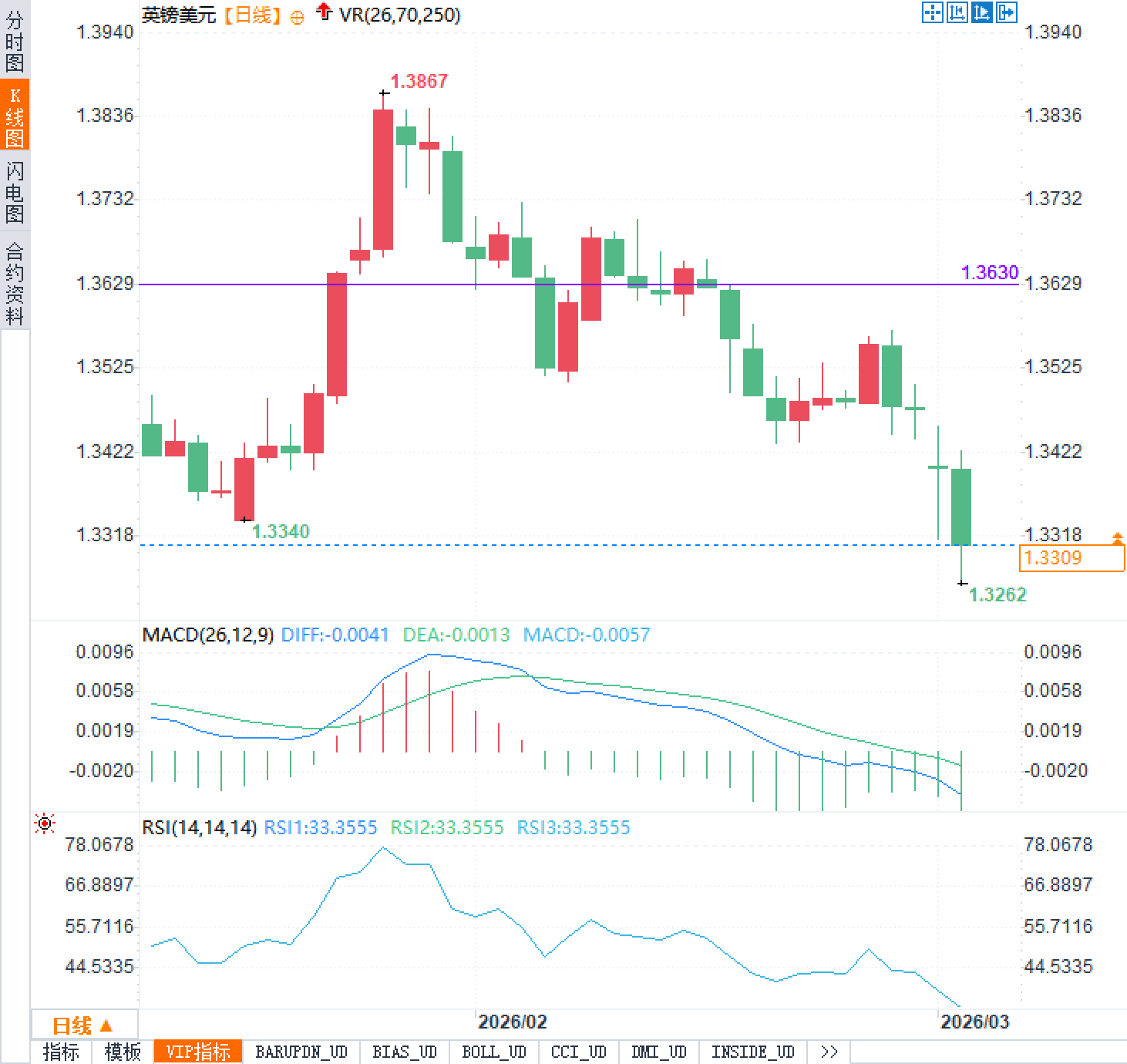
This anticipated slowdown contrasts with recent market reactions: the FTSE 100 fell by about 2% today, and the pound hovered around 1.33 against the dollar, reflecting investor caution about global uncertainty. However, Reeves firmly believes that by protecting the economy from shocks, the UK can maintain a stable recovery trajectory.
The speech highlighted the importance of maintaining fiscal and monetary coordination in the UK amidst uncertainty. A faster decline in inflation will provide the Bank of England with more room for maneuver, while improved lending will create space for future public investment. Reeves has repeatedly reiterated recently that stability is a prerequisite for economic growth, and the government will focus on improving people's livelihoods and boosting productivity to prevent short-term volatility from turning into long-term risks. While this balanced strategy faces pressure from slower growth in 2026, the latest forecast data provides solid support for it.
In summary, Chancellor of the Exchequer Reeves' spring economic forecast speech, delivered against a backdrop of increasing global complexity, highlighted the robustness of the economic plan. Lower inflation and reduced borrowing are positive factors, but the prospect of slower growth in 2026 serves as a reminder of the need to continue monitoring external risks. Through deepening reforms and risk management, the UK economy is expected to achieve resilient growth amidst uncertainty.
Frequently Asked Questions
What was the core message of Reeves' speech?
What changes have been made to the latest inflation data?
Why is economic growth projected to slow in 2026?
What is the fiscal significance of improved lending?
What practical impact does the speech have on the general public?
Positive signs of improvement in both inflation and lending
According to the latest data, the UK Consumer Price Index (CPI) is projected to fall to 3.0% annually in January 2026, a significant drop from 3.4% in December 2025, marking the lowest level since March 2025. Core inflationary pressures have also eased, with the Office for Budget Responsibility expecting inflation to decline faster than predicted last autumn. This shift will help reduce the cost of living for households and create room for further monetary policy adjustments by the Bank of England. Meanwhile, public sector borrowing continues to contract, with cumulative borrowing in the first 10 months of this year reaching £112.1 billion, a decrease of £14.6 billion, or 11.5%, compared to the same period last year. January even saw a record fiscal surplus of £30.4 billion. These figures collectively demonstrate the effectiveness of fiscal discipline.
The following is a comparison of key indicators:
| index | Latest value | Early value |
| Consumer Price Index Annual Rate | 3.0% (January 2026) | 3.4% (December 2025) |
| Public sector borrowing (first 10 months) | £112.1 billion | £126.7 billion (same period last year) |
| January fiscal surplus | £30.4 billion | £14.5 billion (January of last year) |
In her speech, Reeves cited these figures, pointing out that both inflation and borrowing have declined, proving the effectiveness of the current policy framework. She emphasized, "The latest budget responsibility office forecasts released today show that our economic plan is on the right track."
Economic growth forecast adjustments and potential risks
While the average growth rate is expected to remain largely unchanged over the forecast period, economic growth is projected to slow in 2026. UK GDP grew by 1.3% in real terms for the full year of 2025, with a 0.1% quarter-on-quarter increase in the fourth quarter, indicating continued economic resilience; however, external uncertainties could weigh on next year's performance. The Office for Budget Responsibility's spring forecast, while not significantly altering the medium-term growth path, cautioned markets about the potential for geopolitical disruptions to supply chains and energy prices. Reeves stated that the government will continue to push for infrastructure investment and structural reforms to cushion external shocks and ensure long-term growth potential.
This anticipated slowdown contrasts with recent market reactions: the FTSE 100 fell by about 2% today, and the pound hovered around 1.33 against the dollar, reflecting investor caution about global uncertainty. However, Reeves firmly believes that by protecting the economy from shocks, the UK can maintain a stable recovery trajectory.
Policy Implications and Future Outlook
The speech highlighted the importance of maintaining fiscal and monetary coordination in the UK amidst uncertainty. A faster decline in inflation will provide the Bank of England with more room for maneuver, while improved lending will create space for future public investment. Reeves has repeatedly reiterated recently that stability is a prerequisite for economic growth, and the government will focus on improving people's livelihoods and boosting productivity to prevent short-term volatility from turning into long-term risks. While this balanced strategy faces pressure from slower growth in 2026, the latest forecast data provides solid support for it.
In summary, Chancellor of the Exchequer Reeves' spring economic forecast speech, delivered against a backdrop of increasing global complexity, highlighted the robustness of the economic plan. Lower inflation and reduced borrowing are positive factors, but the prospect of slower growth in 2026 serves as a reminder of the need to continue monitoring external risks. Through deepening reforms and risk management, the UK economy is expected to achieve resilient growth amidst uncertainty.
Frequently Asked Questions
What was the core message of Reeves' speech?
Reeves emphasized the rising uncertainty in the global situation and the need for the UK to protect its economy from shocks. Meanwhile, the latest Office for Budget Responsibility forecasts confirm the government's plan is correct, with both inflation and borrowing declining.
What changes have been made to the latest inflation data?
The annual rate of the Consumer Price Index (CPI) fell to 3.0% in January 2026, down 0.4 percentage points from the previous month. The decline was faster than expected in the fall, which will help alleviate the pressure of the cost of living.
Why is economic growth projected to slow in 2026?
Although the average growth rate is expected to remain largely unchanged over the forecast period, external uncertainties could lead to a slowdown in growth in 2026, which the government will mitigate through reforms.
What is the fiscal significance of improved lending?
Borrowing decreased by £14.6 billion in the first 10 months, and a record high surplus was recorded in January, demonstrating the effectiveness of fiscal discipline and providing room for future investment.
What practical impact does the speech have on the general public?
Lower inflation will ease the burden on households, and slower economic growth serves as a reminder to pay attention to employment stability, but the overall plan aims to ensure long-term improvements in people's livelihoods.
- Risk Warning and Disclaimer
- The market involves risk, and trading may not be suitable for all investors. This article is for reference only and does not constitute personal investment advice, nor does it take into account certain users’ specific investment objectives, financial situation, or other needs. Any investment decisions made based on this information are at your own risk.