The Kurdish "fake news" about their involvement in the war has been clarified, but the major gold price movement amid the US-Iran crisis is far from over!
2026-03-05 10:23:01
A senior official from the Iraqi Kurdistan Region (KRG) stated definitively on Thursday (March 5) that Iraqi Kurds were not involved in any ground offensive against Iran. Another Kurdish official further clarified that the ground forces previously reported in the media were actually Iranian Kurds who had long resided in Iraq and were currently crossing the border from Iraq back into western Iran to advance their operations.
This clarification directly addresses claims that "thousands of Iraqi Kurds participated in the ground offensive against Iran," averting the risk of the Iraqi Kurdistan Region being further drawn into the current US-Iran conflict. Officials emphasized that the KRG maintains a neutral stance and has not authorized any armed forces to conduct cross-border operations. This clarification may reduce the risk of spillover effects from the conflict, potentially weakening short-term safe-haven demand and limiting gold price gains to some extent. However, the bullish trend supported by geopolitical conflict remains unchanged. On Thursday (March 5th) during Asian trading hours, spot gold fluctuated upwards, currently trading around $5175 per ounce, with a daily increase of approximately 0.7%.
In the early stages of the conflict, Fox News reporter Jennifer Griffin, citing US officials, reported that "thousands of Kurds have crossed the border from Iraq into Iran to launch a ground offensive." This report initially drew widespread attention, with markets fearing the conflict could spill over into northern Iraq.
Jennifer Griffin later posted a clarification on social media, correcting the statement to: These people are Iranian Kurds who fled Iran years ago due to political persecution and settled in northern Iraq, and have now returned to western Iran to launch an "uprising." US officials confirmed that this group had indeed crossed the border, but were not regular Iraqi Kurdish forces or the Peshmerga forces.
Kurdish media outlet Rudaw reported that a source within the Iranian Kurdish opposition group Komala explicitly denied that the group had launched a large-scale ground offensive against western Iran. The source stated that current reports contain serious contradictions, and some actions may be sporadic guerrilla activity or small-scale armed infiltrations, rather than an organized, large-scale offensive.
The Komara Party, one of Iran's Kurdish left-wing armed groups, has long maintained a base in northern Iraq and competes with other opposition groups such as the PDKI. This denial further exacerbates the information fog surrounding the true scale of the ground war within Iran.
Kurds comprise approximately 10% of Iran's population, primarily residing in the northwest, bordering Kurdish regions of Iraq, Turkey, and Syria. Following the 1979 Islamic Revolution, Iranian Kurdish opposition groups launched numerous armed struggles, all of which were suppressed by the Revolutionary Guard. Many armed members fled to Iraqi Kurdish areas, establishing long-term bases.
Currently, the main active organizations include the Komala Party and the Iranian Kurdistan Democratic Party (PDKI). Against the backdrop of the US-Iran war, they may seize the opportunity to return to Iranian territory, attempting to expand their controlled areas or create instability while the central government's military forces are dispersed. However, their scale is limited, making it unlikely to pose a substantial threat to Tehran.
While the clarification reduces the risk of direct involvement in the Iraqi Kurdistan Region, the cross-border actions of Iranian Kurdish forces could still exacerbate internal security pressures in Iran, forcing the Revolutionary Guard to divert resources to the northwest. If the US-Israeli coalition tacitly approves or indirectly supports such actions, it will further provoke Iranian retaliation and escalate the conflict to the Iraqi-Turkish border.
In the short term, such clarifications may help stabilize the situation in northern Iraq, but in the long term, Iranian Kurdish armed activities could become a "secondary battlefield" in the US-Iran conflict, increasing regional uncertainty.
This information may limit the upside potential of gold to some extent, potentially triggering profit-taking by some safe-haven funds. However, it's important to note that the core conflict of the US-Iran war remains unresolved—the main supporting factors for gold, such as US airstrikes, the risk of Iranian retaliation, the paralysis of the Strait of Hormuz, and high global oil prices, still hold true. The path of least resistance for gold remains upward.
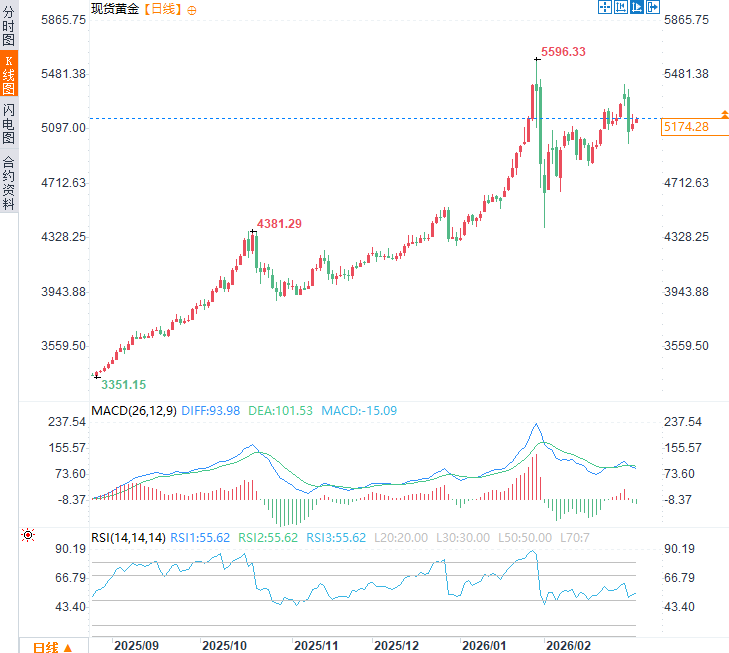
(Spot gold daily chart, source: FX678)
The swift clarification from Iraqi Kurdish officials and journalists corrected earlier misinformation that "Iraqi Kurds were involved in the ground offensive against Iran," revealing that the actual perpetrators were members of the Iranian Kurdish opposition who had long been in exile in Iraq. This incident highlights the intensity of the current information war between the US and Iran, with the struggle for narratives directly impacting international public opinion and the positions of allies.
While Kurdish armed activity in northwestern Iran is limited in scale, it may tie down Revolutionary Guard resources, indirectly creating an opportunity for US-Israeli air operations. In the future, close monitoring of internal Iranian repression and border stability is necessary to prevent further spillover of the conflict to Iraq and Türkiye.
At 10:22 Beijing time, spot gold was trading at $5,185.60 per ounce.
This clarification directly addresses claims that "thousands of Iraqi Kurds participated in the ground offensive against Iran," averting the risk of the Iraqi Kurdistan Region being further drawn into the current US-Iran conflict. Officials emphasized that the KRG maintains a neutral stance and has not authorized any armed forces to conduct cross-border operations. This clarification may reduce the risk of spillover effects from the conflict, potentially weakening short-term safe-haven demand and limiting gold price gains to some extent. However, the bullish trend supported by geopolitical conflict remains unchanged. On Thursday (March 5th) during Asian trading hours, spot gold fluctuated upwards, currently trading around $5175 per ounce, with a daily increase of approximately 0.7%.
Early media reports and statements from US officials
In the early stages of the conflict, Fox News reporter Jennifer Griffin, citing US officials, reported that "thousands of Kurds have crossed the border from Iraq into Iran to launch a ground offensive." This report initially drew widespread attention, with markets fearing the conflict could spill over into northern Iraq.
Jennifer Griffin later posted a clarification on social media, correcting the statement to: These people are Iranian Kurds who fled Iran years ago due to political persecution and settled in northern Iraq, and have now returned to western Iran to launch an "uprising." US officials confirmed that this group had indeed crossed the border, but were not regular Iraqi Kurdish forces or the Peshmerga forces.
Iranian Kurdistan's Komara Party denies ground offensive
Kurdish media outlet Rudaw reported that a source within the Iranian Kurdish opposition group Komala explicitly denied that the group had launched a large-scale ground offensive against western Iran. The source stated that current reports contain serious contradictions, and some actions may be sporadic guerrilla activity or small-scale armed infiltrations, rather than an organized, large-scale offensive.
The Komara Party, one of Iran's Kurdish left-wing armed groups, has long maintained a base in northern Iraq and competes with other opposition groups such as the PDKI. This denial further exacerbates the information fog surrounding the true scale of the ground war within Iran.
History and Current Status of the Iranian Kurdish Opposition
Kurds comprise approximately 10% of Iran's population, primarily residing in the northwest, bordering Kurdish regions of Iraq, Turkey, and Syria. Following the 1979 Islamic Revolution, Iranian Kurdish opposition groups launched numerous armed struggles, all of which were suppressed by the Revolutionary Guard. Many armed members fled to Iraqi Kurdish areas, establishing long-term bases.
Currently, the main active organizations include the Komala Party and the Iranian Kurdistan Democratic Party (PDKI). Against the backdrop of the US-Iran war, they may seize the opportunity to return to Iranian territory, attempting to expand their controlled areas or create instability while the central government's military forces are dispersed. However, their scale is limited, making it unlikely to pose a substantial threat to Tehran.
Impact of the event on the Iraq War and the regional situation
While the clarification reduces the risk of direct involvement in the Iraqi Kurdistan Region, the cross-border actions of Iranian Kurdish forces could still exacerbate internal security pressures in Iran, forcing the Revolutionary Guard to divert resources to the northwest. If the US-Israeli coalition tacitly approves or indirectly supports such actions, it will further provoke Iranian retaliation and escalate the conflict to the Iraqi-Turkish border.
In the short term, such clarifications may help stabilize the situation in northern Iraq, but in the long term, Iranian Kurdish armed activities could become a "secondary battlefield" in the US-Iran conflict, increasing regional uncertainty.
Analysis of the impact on gold
This information may limit the upside potential of gold to some extent, potentially triggering profit-taking by some safe-haven funds. However, it's important to note that the core conflict of the US-Iran war remains unresolved—the main supporting factors for gold, such as US airstrikes, the risk of Iranian retaliation, the paralysis of the Strait of Hormuz, and high global oil prices, still hold true. The path of least resistance for gold remains upward.
(Spot gold daily chart, source: FX678)
Editor's Summary
The swift clarification from Iraqi Kurdish officials and journalists corrected earlier misinformation that "Iraqi Kurds were involved in the ground offensive against Iran," revealing that the actual perpetrators were members of the Iranian Kurdish opposition who had long been in exile in Iraq. This incident highlights the intensity of the current information war between the US and Iran, with the struggle for narratives directly impacting international public opinion and the positions of allies.
While Kurdish armed activity in northwestern Iran is limited in scale, it may tie down Revolutionary Guard resources, indirectly creating an opportunity for US-Israeli air operations. In the future, close monitoring of internal Iranian repression and border stability is necessary to prevent further spillover of the conflict to Iraq and Türkiye.
At 10:22 Beijing time, spot gold was trading at $5,185.60 per ounce.
- Risk Warning and Disclaimer
- The market involves risk, and trading may not be suitable for all investors. This article is for reference only and does not constitute personal investment advice, nor does it take into account certain users’ specific investment objectives, financial situation, or other needs. Any investment decisions made based on this information are at your own risk.