A former senior Federal Reserve official bluntly stated that a Fed rate hike is unlikely under the current circumstances.
2026-03-26 14:12:06
Richard Clarida, global economic advisor at Pimco and former vice chairman of the Federal Reserve, recently stated that the threshold for the Federal Reserve to raise interest rates is "very high" under the current macroeconomic environment.
Richard Clarida points out that the Federal Reserve carries out a dual mission: to simultaneously pursue maximum employment and price stability.
The current low unemployment rate in the United States has significantly reduced the need for the Federal Reserve to further tighten monetary policy.
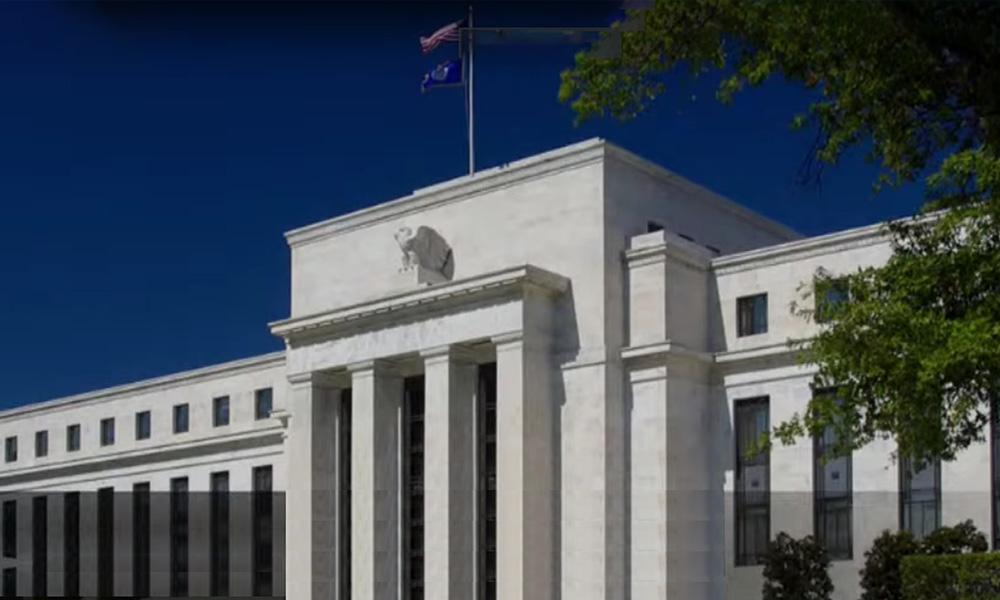
He emphasized that while raising interest rates is not entirely impossible, a very clear reason is needed to drive a decision. At this stage, that threshold is set quite high.
He further analyzed that if the labor market remains robust and employment data does not show a significant deterioration, the Federal Reserve will lack sufficient incentive to address potential risks by raising interest rates. In the current environment, the Fed is more inclined to maintain a cautious wait-and-see approach to avoid prematurely tightening policy and causing unnecessary drag on economic growth.
Richard Clarida also compared the ECB's policy stance. He stated that an ECB rate hike "is not a done deal, but it remains an option."
In contrast, he believes the probability of the Federal Reserve raising interest rates is much lower. This judgment is mainly based on the differences in the economic cycles between the United States and the Eurozone, and the fact that the Federal Reserve places greater emphasis on the job market than the European Central Bank.
He added that the European Central Bank may have more room to maneuver in the face of inflationary pressures, while the Federal Reserve needs to balance its goal of maximizing employment, which further limits its willingness to raise interest rates in the current context of low unemployment.
Richard Clarida's remarks come against the backdrop of ongoing tensions in the Middle East. The war with Iran has caused significant volatility in global energy prices, with Brent crude oil prices breaking through the $100 per barrel mark. This external shock has not only pushed up inflation expectations but also increased uncertainty about the economic outlook.
In this environment, Federal Reserve policymakers need to be more cautious. Clarida stated that rising geopolitical risks make the Fed more inclined to maintain policy flexibility rather than rushing to address potential inflationary pressures through interest rate hikes. He believes that unless there are clear signals from inflation or the labor market, the likelihood of the Fed raising interest rates in the near term is low.
Richard Clarida, as a former vice chairman of the Federal Reserve, has views that are highly relevant to the market, and his remarks have further strengthened market expectations that the Fed will maintain the current interest rate level in the short term.
Currently, the market generally believes that the Federal Reserve will maintain a wait-and-see attitude for some time to come, focusing on employment data, inflation trends, and the evolution of the Middle East conflict.
For investors, this signal suggests a lower risk of a significant interest rate hike by the Federal Reserve in the short term, but the transmission effect of external geopolitical risks on global financial markets should also be closely monitored. The future policy direction of the Federal Reserve will remain highly dependent on the performance of domestic US economic data and changes in the international situation.
Richard Clarida's latest remarks clearly convey the Federal Reserve's cautious approach to policy in the current complex environment. Against the backdrop of energy price volatility triggered by the Iran war and increased global economic uncertainty, the Fed's policy space is significantly constrained. A high threshold for raising interest rates means the Fed is more likely to adjust policy gradually through a data-driven approach rather than taking aggressive tightening measures.
Looking ahead, the duration of the Middle East conflict, the performance of the US labor market, and inflation trends will be key variables influencing the Federal Reserve's decisions. Investors need to closely monitor the Fed's subsequent public communications and economic data releases to accurately grasp the timing of policy shifts.
Overall, the probability of a Federal Reserve rate hike is low in the current environment, providing a certain policy buffer for global financial markets. However, geopolitical risks remain, and market volatility may remain at a high level. Investors should remain cautious and manage their risks effectively.
The Fed's dual mandate limits its room for interest rate hikes.
Richard Clarida points out that the Federal Reserve carries out a dual mission: to simultaneously pursue maximum employment and price stability.
The current low unemployment rate in the United States has significantly reduced the need for the Federal Reserve to further tighten monetary policy.
He emphasized that while raising interest rates is not entirely impossible, a very clear reason is needed to drive a decision. At this stage, that threshold is set quite high.
He further analyzed that if the labor market remains robust and employment data does not show a significant deterioration, the Federal Reserve will lack sufficient incentive to address potential risks by raising interest rates. In the current environment, the Fed is more inclined to maintain a cautious wait-and-see approach to avoid prematurely tightening policy and causing unnecessary drag on economic growth.
The European Central Bank has relatively greater policy flexibility.
Richard Clarida also compared the ECB's policy stance. He stated that an ECB rate hike "is not a done deal, but it remains an option."
In contrast, he believes the probability of the Federal Reserve raising interest rates is much lower. This judgment is mainly based on the differences in the economic cycles between the United States and the Eurozone, and the fact that the Federal Reserve places greater emphasis on the job market than the European Central Bank.
He added that the European Central Bank may have more room to maneuver in the face of inflationary pressures, while the Federal Reserve needs to balance its goal of maximizing employment, which further limits its willingness to raise interest rates in the current context of low unemployment.
The war with Iran exacerbates global uncertainty.
Richard Clarida's remarks come against the backdrop of ongoing tensions in the Middle East. The war with Iran has caused significant volatility in global energy prices, with Brent crude oil prices breaking through the $100 per barrel mark. This external shock has not only pushed up inflation expectations but also increased uncertainty about the economic outlook.
In this environment, Federal Reserve policymakers need to be more cautious. Clarida stated that rising geopolitical risks make the Fed more inclined to maintain policy flexibility rather than rushing to address potential inflationary pressures through interest rate hikes. He believes that unless there are clear signals from inflation or the labor market, the likelihood of the Fed raising interest rates in the near term is low.
The Importance of Market Expectations and Policy Communication
Richard Clarida, as a former vice chairman of the Federal Reserve, has views that are highly relevant to the market, and his remarks have further strengthened market expectations that the Fed will maintain the current interest rate level in the short term.
Currently, the market generally believes that the Federal Reserve will maintain a wait-and-see attitude for some time to come, focusing on employment data, inflation trends, and the evolution of the Middle East conflict.
For investors, this signal suggests a lower risk of a significant interest rate hike by the Federal Reserve in the short term, but the transmission effect of external geopolitical risks on global financial markets should also be closely monitored. The future policy direction of the Federal Reserve will remain highly dependent on the performance of domestic US economic data and changes in the international situation.
Overall Outlook
Richard Clarida's latest remarks clearly convey the Federal Reserve's cautious approach to policy in the current complex environment. Against the backdrop of energy price volatility triggered by the Iran war and increased global economic uncertainty, the Fed's policy space is significantly constrained. A high threshold for raising interest rates means the Fed is more likely to adjust policy gradually through a data-driven approach rather than taking aggressive tightening measures.
Looking ahead, the duration of the Middle East conflict, the performance of the US labor market, and inflation trends will be key variables influencing the Federal Reserve's decisions. Investors need to closely monitor the Fed's subsequent public communications and economic data releases to accurately grasp the timing of policy shifts.
Overall, the probability of a Federal Reserve rate hike is low in the current environment, providing a certain policy buffer for global financial markets. However, geopolitical risks remain, and market volatility may remain at a high level. Investors should remain cautious and manage their risks effectively.
- Risk Warning and Disclaimer
- The market involves risk, and trading may not be suitable for all investors. This article is for reference only and does not constitute personal investment advice, nor does it take into account certain users’ specific investment objectives, financial situation, or other needs. Any investment decisions made based on this information are at your own risk.