Gold Trading Alert: Trump Suddenly Announces Two-Week Ceasefire in the Middle East! Oil Prices Plunge Over $20, Gold Prices Soar to Two-Week High
2026-04-08 07:24:06
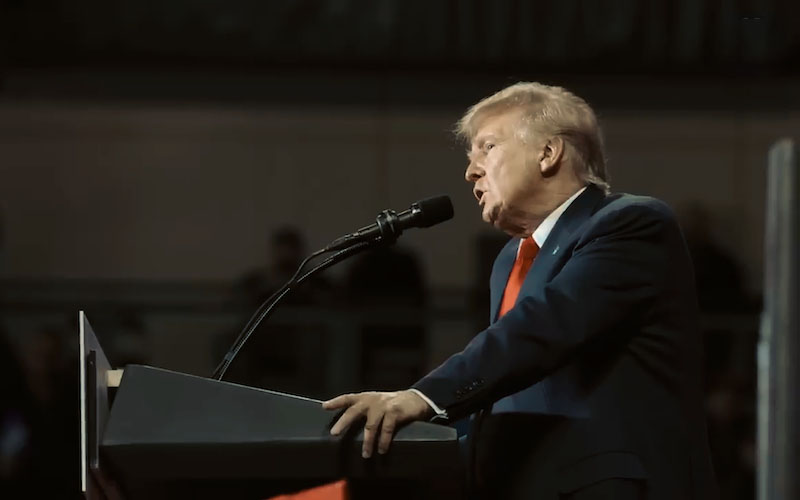
On Tuesday evening local time, just before the deadline in the Eastern Time Zone, US President Trump suddenly posted on the social media platform "Truth Social," announcing that he had agreed to suspend bombing and military strikes against Iran for a full two weeks. This bombshell news was like a "peace bomb," quickly shattering market concerns about tensions in the Middle East, causing sharp fluctuations in global financial markets. In early Asian trading on Wednesday (April 8), oil prices plunged by more than $20 in a short period, while gold prices rebounded strongly by more than 2%, hitting a more than two-week high. Market sentiment quickly shifted from risk aversion to risk appetite, and the US dollar index also fell significantly, hitting a more than two-week low.

In his post, Trump detailed the background to the decision. He stated that after discussions with the Pakistani Prime Minister and Army Chief of Staff, both sides requested a postponement of the planned devastating strike against Iran that evening, provided that Iran agreed to a full, immediate, and secure opening of the Strait of Hormuz. Trump ultimately agreed to a two-week suspension of military action, emphasizing that it would be a "bilateral ceasefire."
He further pointed out that the United States has achieved and exceeded all its established military objectives, making significant progress in promoting a long-term peace agreement with Iran and achieving lasting peace in the Middle East. Trump mentioned that Iran has put forward a ten-point proposal, which the United States considers a viable basis for negotiations. The two sides have reached agreement on almost all previously contentious points, and the two-week ceasefire period will be specifically used to finalize and formally sign the agreement.
Trump concluded by saying that as President of the United States and on behalf of the Middle East, he was honored to see this long-standing regional problem nearing a resolution, and thanked everyone for their continued attention to the matter.
Iran responded swiftly to the ceasefire proposal. According to a statement from the Secretariat of Iran's Supreme National Security Council, cited by Iran's Mehr News Agency, negotiations with the United States will officially begin on April 10 in Islamabad, the capital of Pakistan, and last for two weeks.
Iran's Supreme National Security Council issued a statement early on August 8th, local time, stating that, based on the Supreme Leader's advice and the council's approval, it had accepted Pakistan's ceasefire proposal. Iranian state television went further, stating that US President Trump had "backed down" on his anti-Iran rhetoric and accepted Iran's ceasefire terms.
Iran emphasized that the talks in Islamabad aimed to finalize specific details and, at the latest, politically confirm Iran's battlefield gains within 15 days. This statement indicates that both sides are moving towards resolving the crisis through diplomatic means.
The situation was highly tense before Trump announced a ceasefire. Israeli media reported on the evening of the 7th that, with the US-imposed deadline for Iran fast approaching, contacts between the two sides had made some progress, and all parties were working to reach a temporary ceasefire and explore the possibility of gradually opening the Strait of Hormuz.
Israel's public broadcaster, citing diplomatic sources, reported that Pakistan has proposed a two-week extension of the deadline, and consultations are underway. While no final agreement has been reached, "positive progress" has been made. Israel's Yediot Aharonot newspaper also reported that contacts are moving towards a temporary ceasefire, during which time the Strait of Hormuz may be gradually reopened. Regional intelligence officials believe that all parties are closer to a ceasefire than previously thought and are attempting to reach some kind of arrangement before the deadline.
However, Israel's stance has been relatively cautious. Israel's Channel 12 television, citing military sources, reported that the current situation remains unclear, with the possibility of either conflict or an agreement. Israel is preparing for various scenarios, including a ceasefire, a framework agreement, and an expansion of military operations. The report also noted that Israeli officials described the next few hours as a "critical moment" and expressed concern about whether any last-minute arrangements between the US and Iran would fully meet Israel's interests.
Meanwhile, the Israeli military issued a statement on the evening of the 7th, warning of a possible escalation of attacks against Israel in the coming hours and urging the public to remain vigilant and strictly adhere to civil defense directives. Trump himself also stated in an interview with Fox News on the 7th that the United States was engaged in "intense negotiations" regarding the war with Iran, but did not provide further details. On the 6th and 7th, he made strong statements on social media, even threatening that "tonight, the entire civilization will perish," demonstrating the immense pressure he faced during the negotiations.
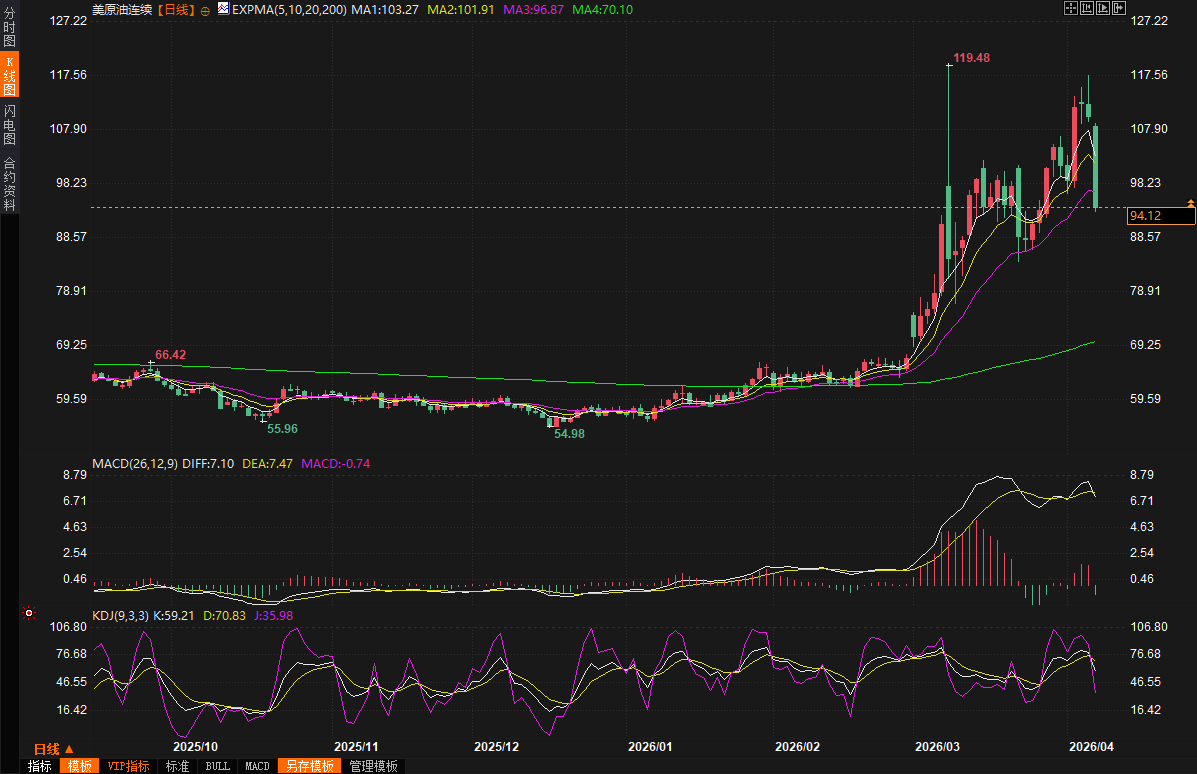
Following Trump's announcement of a ceasefire, market concerns about Middle East geopolitical risks quickly subsided. International oil prices plummeted in response. As of 7:15 AM Wednesday, US crude oil briefly fell below the key psychological level of $100, hitting a three-day low of $92.52 per barrel, with the largest drop exceeding 18%, a decline of over $20 from Tuesday's settlement price. This drop not only reflected the market's easing of supply disruption risks but also directly alleviated global inflationary pressures.
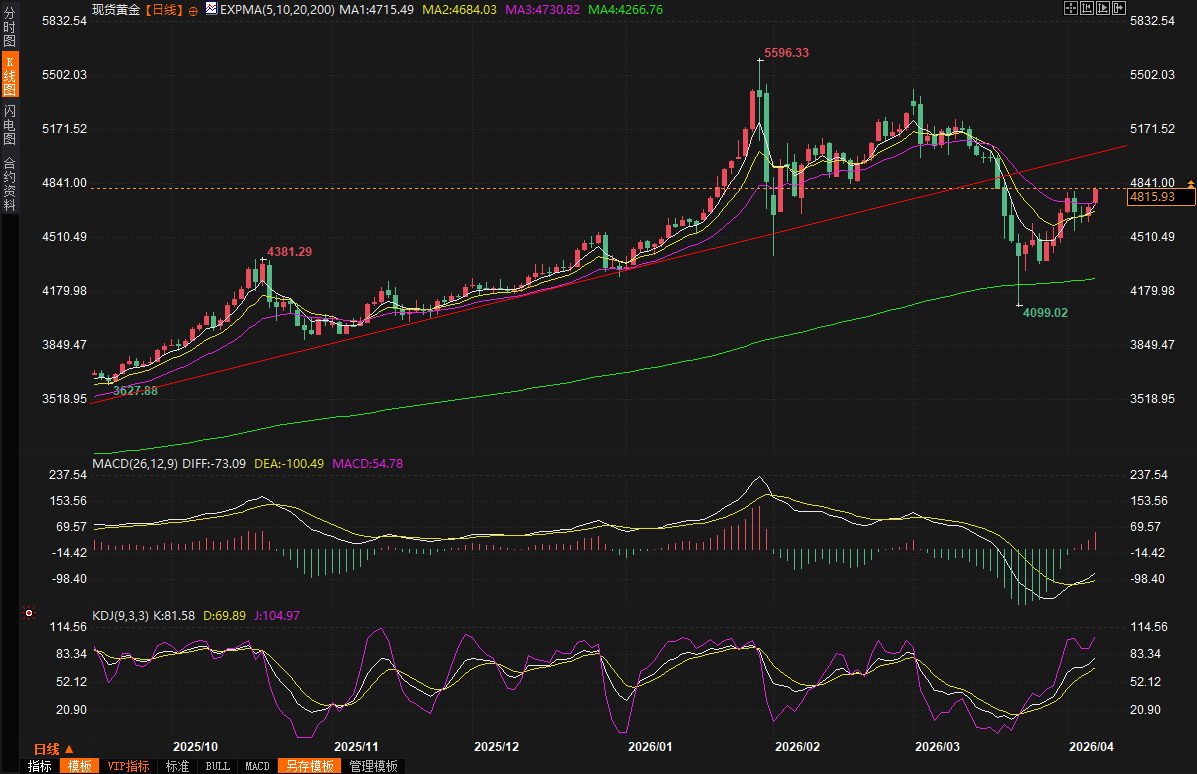
Spot gold prices surged by over 2%, reaching a more than two-week high of $4,825.87 per ounce as of 7:20 AM on Wednesday. On Tuesday, gold prices had been trading in a narrow range, closing at $4,705.08 per ounce, a gain of approximately 1.2%. The gold market was largely in a wait-and-see mode ahead of the deadline, but the People's Bank of China's continued gold purchases provided significant upward momentum for prices.
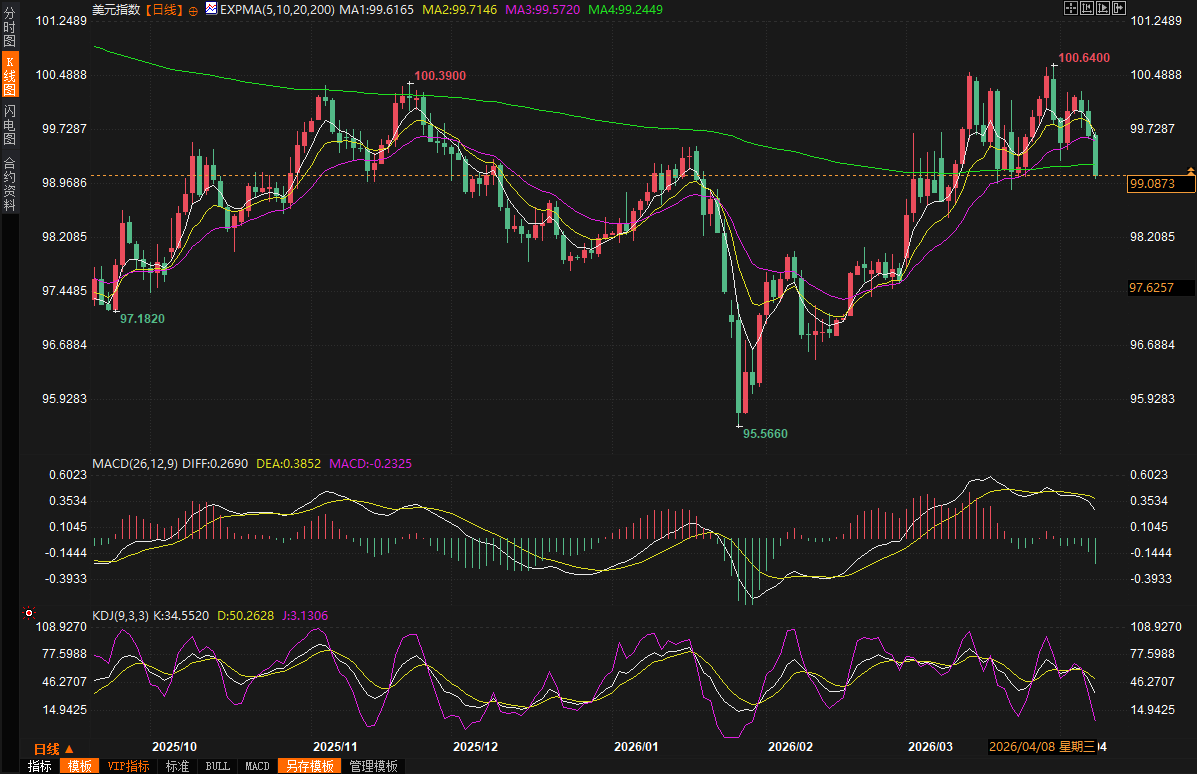
Furthermore, as of 7:20 AM Wednesday, the US dollar index also refreshed its two-week low to 99.01, a drop of approximately 0.64%. The sharp drop in oil prices eased market concerns about inflation, dampened expectations of a Federal Reserve rate hike, and US stock index futures surged by more than 2% to a three-week high, significantly reducing the safe-haven demand for the US dollar.
It's worth noting that data released by the People's Bank of China (PBOC) on Tuesday showed that gold reserves rose to 74.38 million ounces at the end of March, an increase of 160,000 ounces from the end of the previous month. This marks the 17th consecutive month of gold purchases by the PBOC. This prudent gold reserve strategy further boosted market sentiment and added momentum to the rise in gold prices.
In the coming period, investors need to continue to closely monitor further developments in the Middle East, including the specific progress of US-Iran negotiations in Islamabad, as well as changes in risk appetite in the oil and stock markets.
Meanwhile, macroeconomic data will also be a significant influencing factor. The minutes of the Federal Reserve's March meeting will be released on Wednesday local time (early Thursday morning Beijing time), followed by US Personal Consumption Expenditures (PCE) data on Thursday and the Consumer Price Index (CPI) on Friday. In addition, Wednesday will also see the Reserve Bank of New Zealand's interest rate decision and public speeches from several Federal Reserve officials, all of which the market should pay close attention to.
Overall, Trump's sudden announcement of a two-week ceasefire in the Middle East injected a "stabilizing agent" into the previously tense geopolitical situation. The significant drop in oil prices and the strong rebound in gold not only reflect the market's rapid pricing of peace expectations but also the swift shift in global investors' focus between risk and opportunity. In the next two weeks, whether the US-Iran negotiations can proceed smoothly and whether the Middle East peace process can truly be implemented will remain the core variables influencing the trends of global commodities and financial markets.
At 07:20 Beijing time, spot gold was trading at $4,825.54 per ounce.
I. Trump Announces Bilateral Ceasefire: From Achieving Military Objectives to Advancing a Peace Agreement
In his post, Trump detailed the background to the decision. He stated that after discussions with the Pakistani Prime Minister and Army Chief of Staff, both sides requested a postponement of the planned devastating strike against Iran that evening, provided that Iran agreed to a full, immediate, and secure opening of the Strait of Hormuz. Trump ultimately agreed to a two-week suspension of military action, emphasizing that it would be a "bilateral ceasefire."
He further pointed out that the United States has achieved and exceeded all its established military objectives, making significant progress in promoting a long-term peace agreement with Iran and achieving lasting peace in the Middle East. Trump mentioned that Iran has put forward a ten-point proposal, which the United States considers a viable basis for negotiations. The two sides have reached agreement on almost all previously contentious points, and the two-week ceasefire period will be specifically used to finalize and formally sign the agreement.
Trump concluded by saying that as President of the United States and on behalf of the Middle East, he was honored to see this long-standing regional problem nearing a resolution, and thanked everyone for their continued attention to the matter.
II. Iran responded positively: Negotiations will begin on April 10 in Islamabad.
Iran responded swiftly to the ceasefire proposal. According to a statement from the Secretariat of Iran's Supreme National Security Council, cited by Iran's Mehr News Agency, negotiations with the United States will officially begin on April 10 in Islamabad, the capital of Pakistan, and last for two weeks.
Iran's Supreme National Security Council issued a statement early on August 8th, local time, stating that, based on the Supreme Leader's advice and the council's approval, it had accepted Pakistan's ceasefire proposal. Iranian state television went further, stating that US President Trump had "backed down" on his anti-Iran rhetoric and accepted Iran's ceasefire terms.
Iran emphasized that the talks in Islamabad aimed to finalize specific details and, at the latest, politically confirm Iran's battlefield gains within 15 days. This statement indicates that both sides are moving towards resolving the crisis through diplomatic means.
III. Tense Game Before Ceasefire Announcement: Israel's Various Statements and Deadline Pressure
The situation was highly tense before Trump announced a ceasefire. Israeli media reported on the evening of the 7th that, with the US-imposed deadline for Iran fast approaching, contacts between the two sides had made some progress, and all parties were working to reach a temporary ceasefire and explore the possibility of gradually opening the Strait of Hormuz.
Israel's public broadcaster, citing diplomatic sources, reported that Pakistan has proposed a two-week extension of the deadline, and consultations are underway. While no final agreement has been reached, "positive progress" has been made. Israel's Yediot Aharonot newspaper also reported that contacts are moving towards a temporary ceasefire, during which time the Strait of Hormuz may be gradually reopened. Regional intelligence officials believe that all parties are closer to a ceasefire than previously thought and are attempting to reach some kind of arrangement before the deadline.
However, Israel's stance has been relatively cautious. Israel's Channel 12 television, citing military sources, reported that the current situation remains unclear, with the possibility of either conflict or an agreement. Israel is preparing for various scenarios, including a ceasefire, a framework agreement, and an expansion of military operations. The report also noted that Israeli officials described the next few hours as a "critical moment" and expressed concern about whether any last-minute arrangements between the US and Iran would fully meet Israel's interests.
Meanwhile, the Israeli military issued a statement on the evening of the 7th, warning of a possible escalation of attacks against Israel in the coming hours and urging the public to remain vigilant and strictly adhere to civil defense directives. Trump himself also stated in an interview with Fox News on the 7th that the United States was engaged in "intense negotiations" regarding the war with Iran, but did not provide further details. On the 6th and 7th, he made strong statements on social media, even threatening that "tonight, the entire civilization will perish," demonstrating the immense pressure he faced during the negotiations.
IV. Violent Market Reactions: Oil Prices Plunge, Gold Prices Soar, and the Dollar Falls
Following Trump's announcement of a ceasefire, market concerns about Middle East geopolitical risks quickly subsided. International oil prices plummeted in response. As of 7:15 AM Wednesday, US crude oil briefly fell below the key psychological level of $100, hitting a three-day low of $92.52 per barrel, with the largest drop exceeding 18%, a decline of over $20 from Tuesday's settlement price. This drop not only reflected the market's easing of supply disruption risks but also directly alleviated global inflationary pressures.
Spot gold prices surged by over 2%, reaching a more than two-week high of $4,825.87 per ounce as of 7:20 AM on Wednesday. On Tuesday, gold prices had been trading in a narrow range, closing at $4,705.08 per ounce, a gain of approximately 1.2%. The gold market was largely in a wait-and-see mode ahead of the deadline, but the People's Bank of China's continued gold purchases provided significant upward momentum for prices.
Furthermore, as of 7:20 AM Wednesday, the US dollar index also refreshed its two-week low to 99.01, a drop of approximately 0.64%. The sharp drop in oil prices eased market concerns about inflation, dampened expectations of a Federal Reserve rate hike, and US stock index futures surged by more than 2% to a three-week high, significantly reducing the safe-haven demand for the US dollar.
It's worth noting that data released by the People's Bank of China (PBOC) on Tuesday showed that gold reserves rose to 74.38 million ounces at the end of March, an increase of 160,000 ounces from the end of the previous month. This marks the 17th consecutive month of gold purchases by the PBOC. This prudent gold reserve strategy further boosted market sentiment and added momentum to the rise in gold prices.
V. Market Outlook: Geopolitical tensions and Federal Reserve data will be the focus of the market.
In the coming period, investors need to continue to closely monitor further developments in the Middle East, including the specific progress of US-Iran negotiations in Islamabad, as well as changes in risk appetite in the oil and stock markets.
Meanwhile, macroeconomic data will also be a significant influencing factor. The minutes of the Federal Reserve's March meeting will be released on Wednesday local time (early Thursday morning Beijing time), followed by US Personal Consumption Expenditures (PCE) data on Thursday and the Consumer Price Index (CPI) on Friday. In addition, Wednesday will also see the Reserve Bank of New Zealand's interest rate decision and public speeches from several Federal Reserve officials, all of which the market should pay close attention to.
Overall, Trump's sudden announcement of a two-week ceasefire in the Middle East injected a "stabilizing agent" into the previously tense geopolitical situation. The significant drop in oil prices and the strong rebound in gold not only reflect the market's rapid pricing of peace expectations but also the swift shift in global investors' focus between risk and opportunity. In the next two weeks, whether the US-Iran negotiations can proceed smoothly and whether the Middle East peace process can truly be implemented will remain the core variables influencing the trends of global commodities and financial markets.
At 07:20 Beijing time, spot gold was trading at $4,825.54 per ounce.
- Risk Warning and Disclaimer
- The market involves risk, and trading may not be suitable for all investors. This article is for reference only and does not constitute personal investment advice, nor does it take into account certain users’ specific investment objectives, financial situation, or other needs. Any investment decisions made based on this information are at your own risk.