Israel's massacre of 254 Lebanese citizens has drawn strong condemnation from Iran, casting a shadow over US-Iran peace talks.
2026-04-09 10:00:04
The situation in the Middle East has deteriorated sharply again. Despite the recent announcement of a two-week ceasefire agreement between the United States and Iran, Israel launched its most intense airstrike to date against Lebanon on Wednesday (April 8), causing numerous casualties. This action immediately drew strong condemnation from Iran, which stated explicitly that continuing peace talks under the current circumstances is "unreasonable."
This latest development highlights the fragility of the ceasefire agreement and casts a dark shadow over the upcoming talks with Pakistan.
Israel launched intensive airstrikes on multiple locations in Lebanon on Wednesday, killing at least 254 people, including 91 in the capital, Beirut. Lebanon's Civil Defense stated that some of the airstrikes were carried out without prior warning of civilian evacuation. Local residents reported that the Israeli attacks were extremely fierce, causing severe damage to numerous civilian facilities and residential areas.
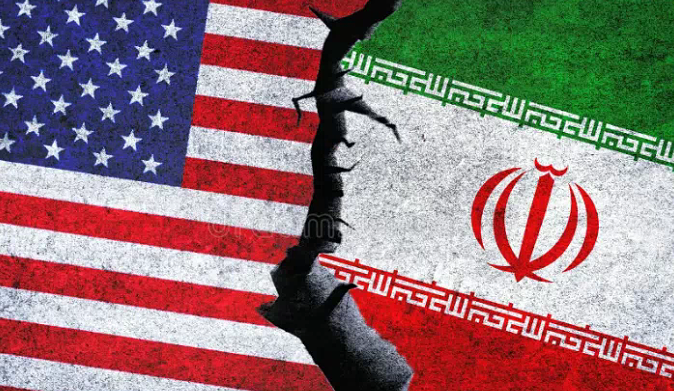
Iran responded swiftly. Iran's chief negotiator and parliamentary speaker, Ghalibaf, stated that Israel's escalated military operations against Hezbollah in Lebanon had seriously violated many conditions of the ceasefire agreement. He explicitly stated, "Under these circumstances, a bilateral ceasefire or negotiations are unreasonable."
Although the United States and Iran announced a ceasefire, there are significant differences in their interpretation of the agreement.
U.S. Vice President Vance stated unequivocally, "I think the Iranian side thought the ceasefire agreement included Lebanon, but that is not the case." Israeli Prime Minister Netanyahu also emphasized that the ceasefire agreement does not apply to Lebanon, that Israel will continue to maintain military pressure on Hezbollah, and that Israel has its "finger on the trigger" and is ready to resume combat at any time.
At the same time, the two sides also have serious differences on the issue of Iran's nuclear program.
Trump stated that Iran has agreed to halt its uranium enrichment activities and hand over its existing stockpiles. However, Kalibaf emphasized that, under the ceasefire terms, Iran is still permitted to continue its uranium enrichment activities. This core disagreement has cast uncertainty over the prospects for formal talks scheduled for Saturday in Islamabad, Pakistan.
Despite the ceasefire agreement, the Strait of Hormuz remains under strict control, with only a limited number of permitted vessels allowed passage. Iran has also launched attacks on oil facilities in neighboring Gulf states, further escalating regional tensions.
Financial markets reacted positively to the ceasefire news. International oil prices fell sharply by 14%, with Brent crude settling at around $95 a barrel, having earlier dipped as low as $90.40. Global stock markets saw significant gains, as investors held some hope for a de-escalation of the conflict. However, analysts warned that if the ceasefire agreement fails to hold effectively, the market could face a sharp correction.
Although both the United States and Iran have claimed victory in the five-week-long conflict, their positions remain opposed on key issues.
Trump then announced a new 50% tariff on all goods exported by countries that supply weapons to Iran, further complicating the negotiations.
U.S. Defense Secretary Hergsays stated that the United States has achieved a decisive military victory, while Iran's Supreme National Security Council responded that this "unjust, illegal, and criminal war" has suffered a "historic and devastating defeat."
Overall , Israel's large-scale airstrikes on Lebanon have severely shaken the foundations of the newly reached ceasefire. Iran's tough stance indicates that deep differences remain between the two sides on issues such as nuclear relations, regional proxy conflicts, and the Strait of Hormuz. Although global markets have temporarily recovered due to the ceasefire news, tensions in the Middle East are far from easing.
Whether future talks in Pakistan can achieve substantial progress will directly determine whether this conflict leads to genuine peace or escalates into a wider regional crisis. The international community is closely watching the next developments.
This latest development highlights the fragility of the ceasefire agreement and casts a dark shadow over the upcoming talks with Pakistan.
Israel launched a massive airstrike, resulting in heavy casualties in Lebanon.
Israel launched intensive airstrikes on multiple locations in Lebanon on Wednesday, killing at least 254 people, including 91 in the capital, Beirut. Lebanon's Civil Defense stated that some of the airstrikes were carried out without prior warning of civilian evacuation. Local residents reported that the Israeli attacks were extremely fierce, causing severe damage to numerous civilian facilities and residential areas.
Iran responded swiftly. Iran's chief negotiator and parliamentary speaker, Ghalibaf, stated that Israel's escalated military operations against Hezbollah in Lebanon had seriously violated many conditions of the ceasefire agreement. He explicitly stated, "Under these circumstances, a bilateral ceasefire or negotiations are unreasonable."
The US and Iran have significant differences in their understanding of the ceasefire agreement.
Although the United States and Iran announced a ceasefire, there are significant differences in their interpretation of the agreement.
U.S. Vice President Vance stated unequivocally, "I think the Iranian side thought the ceasefire agreement included Lebanon, but that is not the case." Israeli Prime Minister Netanyahu also emphasized that the ceasefire agreement does not apply to Lebanon, that Israel will continue to maintain military pressure on Hezbollah, and that Israel has its "finger on the trigger" and is ready to resume combat at any time.
At the same time, the two sides also have serious differences on the issue of Iran's nuclear program.
Trump stated that Iran has agreed to halt its uranium enrichment activities and hand over its existing stockpiles. However, Kalibaf emphasized that, under the ceasefire terms, Iran is still permitted to continue its uranium enrichment activities. This core disagreement has cast uncertainty over the prospects for formal talks scheduled for Saturday in Islamabad, Pakistan.
The Strait of Hormuz remains under control, causing severe global market volatility.
Despite the ceasefire agreement, the Strait of Hormuz remains under strict control, with only a limited number of permitted vessels allowed passage. Iran has also launched attacks on oil facilities in neighboring Gulf states, further escalating regional tensions.
Financial markets reacted positively to the ceasefire news. International oil prices fell sharply by 14%, with Brent crude settling at around $95 a barrel, having earlier dipped as low as $90.40. Global stock markets saw significant gains, as investors held some hope for a de-escalation of the conflict. However, analysts warned that if the ceasefire agreement fails to hold effectively, the market could face a sharp correction.
The prospects for future peace talks are complex, and the Middle East peace process remains uncertain.
Although both the United States and Iran have claimed victory in the five-week-long conflict, their positions remain opposed on key issues.
Trump then announced a new 50% tariff on all goods exported by countries that supply weapons to Iran, further complicating the negotiations.
U.S. Defense Secretary Hergsays stated that the United States has achieved a decisive military victory, while Iran's Supreme National Security Council responded that this "unjust, illegal, and criminal war" has suffered a "historic and devastating defeat."
Overall , Israel's large-scale airstrikes on Lebanon have severely shaken the foundations of the newly reached ceasefire. Iran's tough stance indicates that deep differences remain between the two sides on issues such as nuclear relations, regional proxy conflicts, and the Strait of Hormuz. Although global markets have temporarily recovered due to the ceasefire news, tensions in the Middle East are far from easing.
Whether future talks in Pakistan can achieve substantial progress will directly determine whether this conflict leads to genuine peace or escalates into a wider regional crisis. The international community is closely watching the next developments.
- Risk Warning and Disclaimer
- The market involves risk, and trading may not be suitable for all investors. This article is for reference only and does not constitute personal investment advice, nor does it take into account certain users’ specific investment objectives, financial situation, or other needs. Any investment decisions made based on this information are at your own risk.