Why does Iran insist it has won the war against the US and Israel? The strategic calculations hidden behind the ceasefire.
2026-04-09 11:35:14
After 38 days of intense conflict with the United States and Israel, Iran abruptly agreed to a two-week ceasefire just hours before US President Trump threatened to launch a new round of punitive strikes.
For the Iranian regime, this moment is seen as a significant victory on multiple levels. Despite the heavy military costs Iran paid, it has essentially achieved its core objectives and also gained several important strategic advantages.
The primary objective of this conflict in Iran was to ensure the continued existence of the current regime, and this objective has been achieved. Despite more than 20,000 strikes launched by the United States and Israel in an attempt to overthrow the Iranian regime through military pressure, destroy its nuclear program, and weaken its regional influence, the Tehran regime has ultimately survived.
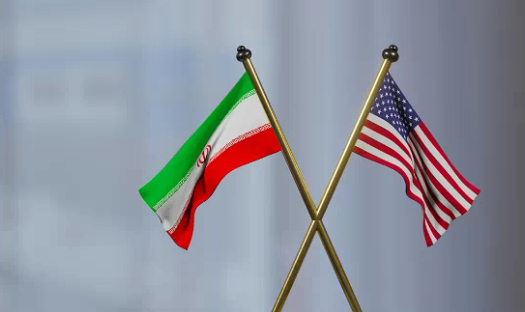
In a statement, Iran's National Security Council insisted that its arch-enemy had suffered an "undeniable and historic defeat." Following the ceasefire agreement, pro-government demonstrators took to the streets, waving flags and chanting victory slogans. These actions demonstrate that the Iranian leadership is striving to portray the war as proof of the regime's legitimacy.
Two potential strategic gains that Iran has obtained in the conflict are particularly crucial.
First and foremost, Iran must maintain firm control over the Strait of Hormuz, a vital global energy artery. This strait handles approximately 20% of the world's oil exports, and despite intense conflict, Iran's de facto control over this crucial waterway is unlikely to be broken in the short term.
Secondly, through meticulously designed asymmetric warfare tactics, Iran effectively leveraged its strengths and mitigated its weaknesses in its confrontations with the United States and Israel, exerting immense pressure on the Trump administration and ultimately forcing it to accept a ceasefire. Iran successfully demonstrated to the world that even when facing a powerful adversary, it can impose heavy economic and political costs.
Alex Vatanka, a senior fellow at the Middle East Institute and an expert on Iran, said that Iran has systematically attacked the U.S. economy by blocking the Strait of Hormuz and driving up global oil prices. He added, "They make sure the U.S. feels the pain of this war, and I don't think Trump will easily try something like that again."
Despite the ceasefire agreement, its stability and implementation face significant challenges. Both the United States and Israel have made it clear that the two-week ceasefire does not include the Lebanese front. Israeli Prime Minister Netanyahu stated that Israel will continue to maintain military pressure on Hezbollah in Lebanon.
Iranian Foreign Minister Abbas Araghchi pledged that ships could "safely pass" through the Strait of Hormuz for two weeks during the war-ending negotiations with the United States, but only if they acted in "coordination" with the Iranian armed forces and if technical restrictions were taken into account. He also warned that military action would resume immediately if Iran were attacked again.
Since the end of the war, Iran's leadership appears even more determined to suppress domestic opposition. The regime, accused of killing thousands of demonstrators during earlier protests, is now taking a tougher stance, accusing opponents of being potential spies and encouraging citizens to report on each other.
Many ordinary Iranians initially held onto hope for Trump's promise to overthrow the regime during the early stages of the war, but as the regime remained standing despite the heavy blows, many began to see the possibility of government change as increasingly unlikely. However, Iran's deep-seated economic problems—paralyzed by long-term sanctions and inflation, and its unpopular theocratic governance model—remain unresolved.
Currently, both sides have agreed to hold formal negotiations in Pakistan. Trump described Iran's 10-point proposal as a "feasible basis for negotiations," which includes a US commitment to cease attacks on Iran, lift all sanctions, and withdraw troops from the region. Iran's continued control of the Strait of Hormuz is one of the core demands of this plan.
Trita Parsi, executive vice president of the Quincy Institute for National Affairs, points out that "the United States is no longer in a position to give orders." Iran seems to want to use its de facto control of the Straits as a key bargaining chip in future negotiations.
Overall , despite suffering heavy military losses, Iran successfully avoided regime collapse through tenacious resistance and strategic maneuvering, and used the opportunity to strengthen its control over key energy routes. Iran's portrayal of this conflict as a "strategic victory" serves both to consolidate its domestic rule and to gain a more favorable position for upcoming long-term negotiations.
Whether the US-Iran negotiations can reach a truly lasting agreement in the future still depends on the willingness of both sides to compromise on core interests, and the control of the Strait of Hormuz will undoubtedly become one of the most intractable core points of contention.
For the Iranian regime, this moment is seen as a significant victory on multiple levels. Despite the heavy military costs Iran paid, it has essentially achieved its core objectives and also gained several important strategic advantages.
Iran has achieved its core objective: the regime has survived.
The primary objective of this conflict in Iran was to ensure the continued existence of the current regime, and this objective has been achieved. Despite more than 20,000 strikes launched by the United States and Israel in an attempt to overthrow the Iranian regime through military pressure, destroy its nuclear program, and weaken its regional influence, the Tehran regime has ultimately survived.
In a statement, Iran's National Security Council insisted that its arch-enemy had suffered an "undeniable and historic defeat." Following the ceasefire agreement, pro-government demonstrators took to the streets, waving flags and chanting victory slogans. These actions demonstrate that the Iranian leadership is striving to portray the war as proof of the regime's legitimacy.
Significant strategic benefits: control of the Strait of Hormuz and the establishment of new deterrence.
Two potential strategic gains that Iran has obtained in the conflict are particularly crucial.
First and foremost, Iran must maintain firm control over the Strait of Hormuz, a vital global energy artery. This strait handles approximately 20% of the world's oil exports, and despite intense conflict, Iran's de facto control over this crucial waterway is unlikely to be broken in the short term.
Secondly, through meticulously designed asymmetric warfare tactics, Iran effectively leveraged its strengths and mitigated its weaknesses in its confrontations with the United States and Israel, exerting immense pressure on the Trump administration and ultimately forcing it to accept a ceasefire. Iran successfully demonstrated to the world that even when facing a powerful adversary, it can impose heavy economic and political costs.
Alex Vatanka, a senior fellow at the Middle East Institute and an expert on Iran, said that Iran has systematically attacked the U.S. economy by blocking the Strait of Hormuz and driving up global oil prices. He added, "They make sure the U.S. feels the pain of this war, and I don't think Trump will easily try something like that again."
The ceasefire agreement still has hidden risks: there are significant differences in interpretation among the parties.
Despite the ceasefire agreement, its stability and implementation face significant challenges. Both the United States and Israel have made it clear that the two-week ceasefire does not include the Lebanese front. Israeli Prime Minister Netanyahu stated that Israel will continue to maintain military pressure on Hezbollah in Lebanon.
Iranian Foreign Minister Abbas Araghchi pledged that ships could "safely pass" through the Strait of Hormuz for two weeks during the war-ending negotiations with the United States, but only if they acted in "coordination" with the Iranian armed forces and if technical restrictions were taken into account. He also warned that military action would resume immediately if Iran were attacked again.
Domestically in Iran: The regime is taking a hardline stance, and opposition voices are being suppressed.
Since the end of the war, Iran's leadership appears even more determined to suppress domestic opposition. The regime, accused of killing thousands of demonstrators during earlier protests, is now taking a tougher stance, accusing opponents of being potential spies and encouraging citizens to report on each other.
Many ordinary Iranians initially held onto hope for Trump's promise to overthrow the regime during the early stages of the war, but as the regime remained standing despite the heavy blows, many began to see the possibility of government change as increasingly unlikely. However, Iran's deep-seated economic problems—paralyzed by long-term sanctions and inflation, and its unpopular theocratic governance model—remain unresolved.
Future prospects for negotiations: Iran may hold some initiative
Currently, both sides have agreed to hold formal negotiations in Pakistan. Trump described Iran's 10-point proposal as a "feasible basis for negotiations," which includes a US commitment to cease attacks on Iran, lift all sanctions, and withdraw troops from the region. Iran's continued control of the Strait of Hormuz is one of the core demands of this plan.
Trita Parsi, executive vice president of the Quincy Institute for National Affairs, points out that "the United States is no longer in a position to give orders." Iran seems to want to use its de facto control of the Straits as a key bargaining chip in future negotiations.
Overall , despite suffering heavy military losses, Iran successfully avoided regime collapse through tenacious resistance and strategic maneuvering, and used the opportunity to strengthen its control over key energy routes. Iran's portrayal of this conflict as a "strategic victory" serves both to consolidate its domestic rule and to gain a more favorable position for upcoming long-term negotiations.
Whether the US-Iran negotiations can reach a truly lasting agreement in the future still depends on the willingness of both sides to compromise on core interests, and the control of the Strait of Hormuz will undoubtedly become one of the most intractable core points of contention.
- Risk Warning and Disclaimer
- The market involves risk, and trading may not be suitable for all investors. This article is for reference only and does not constitute personal investment advice, nor does it take into account certain users’ specific investment objectives, financial situation, or other needs. Any investment decisions made based on this information are at your own risk.