The ceasefire was violated on its very first day! Israeli forces launched a fierce attack on Lebanon, Iran condemned the violation, and the Straits of Hormuz were blocked again.
2026-04-09 10:02:07
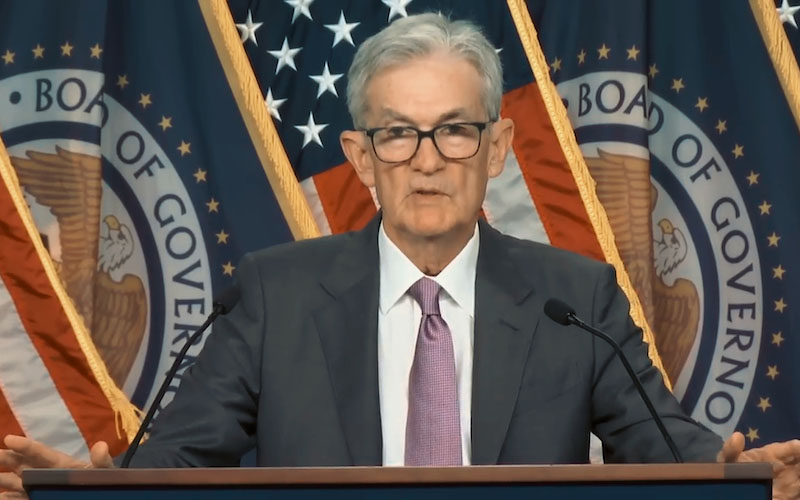
On the first day that the temporary ceasefire between the US and Iran took effect, the Israeli military launched its largest airstrike against Hezbollah in Lebanon since the start of the conflict. Iranian parliamentary spokesman Mohammad Bagher Ghalibaf accused the US on Wednesday (April 8) of violating the newly reached two-week ceasefire agreement by closing the Strait of Hormuz again and threatening to take deterrent action against Israeli military targets.
He posted on social media: "Our deep-seated distrust of America’s history stems from its repeated breaches of promises, a pattern that is regrettably repeating itself once again."
Ghalibaf stated that three aspects of Iran's ten-point ceasefire agreement had been violated, and emphasized that under these circumstances, a bilateral ceasefire or negotiations were meaningless.
As a result, after touching around $91 per barrel on Wednesday, US crude oil prices rebounded by more than 2.5%, and continued to fluctuate upwards during the Asian session on Thursday, currently trading around $97.70 per barrel, with a daily increase of about 3.4%. Given the actual uncertainty of the ceasefire agreement, oil prices may continue to rise.
The Iranian parliament speaker explicitly listed three violations:
1. Israel continues its attacks on Hezbollah in Lebanon;
2. A drone violated Iranian airspace;
3. The United States denies that Iran has the right to enrich uranium.
Iran's official Fars News Agency reported that oil tanker transport through the Strait of Hormuz has been suspended due to Israel's continued attacks on Lebanon .
In response to accusations in Hungary, U.S. Vice President JD Vance stated, "Ceasefires are always chaotic." He clearly pointed out that the U.S. position is that Iran cannot enrich uranium; the ceasefire has never included the issue of Lebanon .
Vance stated, "If Iran wants the negotiations to break down over the Lebanon issue, which has nothing to do with them, and the United States has never said that the Lebanon issue is part of the ceasefire, then ultimately it is their choice."
Trump said on Tuesday that he agreed to a two-week pause in attacks in exchange for Iran allowing ships to pass through the Strait of Hormuz.
Following the announcement of the ceasefire agreement, the US and Iran had significant differences in their interpretation of the agreement's contents, particularly regarding the Strait of Hormuz.
Trump emphasized that the Strait must be "fully, immediately, and safely open," and that no tolls should be charged. White House Press Secretary Carolyn Levitt reiterated on Wednesday: "Trump wants the Strait to be open without restrictions, including no tolls."
Iran plans to demand tolls from transit vessels . Its previous ten-point proposal suggested charging approximately $2 million per vessel and splitting the toll 50/50 with Oman.
Following the ceasefire agreement, tanker traffic in the Strait of Hormuz has not rebounded significantly, remaining at the low, slow levels seen during the war. Approximately 20% of the world's oil supply once relied on this strait, and the current interpretation of the conflict between the US and Iran has further increased market uncertainty.
Analysts warn that if the two sides fail to reach an agreement within the two-week window, oil prices may fluctuate sharply again, putting greater pressure on energy-importing regions such as Asia .
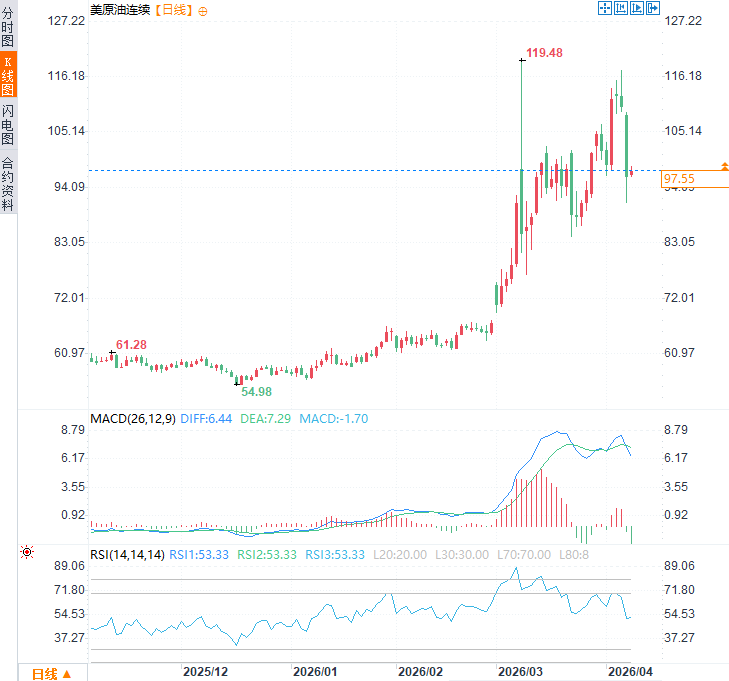
(US crude oil daily chart, source: FX678)
Iranian parliamentary spokesman Ghalibaf accused the United States of violating the two-week ceasefire agreement, citing three violations: Israeli attacks on Lebanon, drone incursions into Iranian airspace, and denial of Iran's uranium enrichment rights. US Vice President Vance responded that the ceasefire was "always chaotic" and explicitly refused to include Lebanon in the ceasefire, insisting that Iran must not enrich uranium.
Significant differences remain between the two sides on issues such as whether tolls should be charged in the Strait of Hormuz, putting the recently reached temporary ceasefire agreement at risk of collapse. Global energy markets and investors need to closely monitor the progress of formal negotiations that begin on Friday .
Q: What are the specific reasons the Iranian parliament speaker gave for accusing the United States of violating the ceasefire agreement?
A: Iranian Parliament Speaker Ghalibaf pointed to three violations: Israel's continued attacks on Lebanon, a drone's intrusion into Iranian airspace, and the United States' denial of Iran's uranium enrichment rights. He emphasized that under these circumstances, a bilateral ceasefire or negotiations would be meaningless.
Q: How did US Vice President Vance respond to Iran's accusations?
A: Vance stated that "ceasefires are always chaotic" and clearly pointed out that the US position is that Iran cannot enrich uranium; the ceasefire has never included the Lebanon issue. If Iran causes the negotiations to break down because of the Lebanon issue, that is Iran's own choice.
Q: What are the differences between the US and Iran on the Strait of Hormuz?
A: Trump demanded that the Strait be "fully, immediately, and securely open," without any tolls. Iran, on the other hand, plans to charge transit fees to ships (previous proposals suggested approximately $2 million per vessel, to be split 50/50 with Oman). This disagreement is the biggest obstacle to the current ceasefire agreement .
Q: What impact will the risk of a ceasefire agreement breaking down have on the global energy market?
A: Tanker traffic in the Strait of Hormuz remains low, despite the fact that 20% of the world's oil supply once relied on this strait. If the ceasefire agreement cannot be implemented, oil prices may fluctuate significantly again, and energy-importing regions such as Asia will face higher energy costs and supply risks.
Q: What is the outlook for the current ceasefire agreement?
A: There is a significant difference in interpretation between the two sides. Iran emphasizes a "permanent end to the war," while the US insists on a swift conclusion and refuses to accept any tolls. Analysts believe that whether a lasting agreement can be reached within the two-week window remains highly uncertain, and the market needs to be wary of the possibility of a rapid breakdown in the agreement.
At 10:01 Beijing time, US crude oil futures were trading at $96.86 per barrel.
He posted on social media: "Our deep-seated distrust of America’s history stems from its repeated breaches of promises, a pattern that is regrettably repeating itself once again."
Ghalibaf stated that three aspects of Iran's ten-point ceasefire agreement had been violated, and emphasized that under these circumstances, a bilateral ceasefire or negotiations were meaningless.
As a result, after touching around $91 per barrel on Wednesday, US crude oil prices rebounded by more than 2.5%, and continued to fluctuate upwards during the Asian session on Thursday, currently trading around $97.70 per barrel, with a daily increase of about 3.4%. Given the actual uncertainty of the ceasefire agreement, oil prices may continue to rise.
Iran points out three violations
The Iranian parliament speaker explicitly listed three violations:
1. Israel continues its attacks on Hezbollah in Lebanon;
2. A drone violated Iranian airspace;
3. The United States denies that Iran has the right to enrich uranium.
Iran's official Fars News Agency reported that oil tanker transport through the Strait of Hormuz has been suspended due to Israel's continued attacks on Lebanon .
US Vice President Vance responded
In response to accusations in Hungary, U.S. Vice President JD Vance stated, "Ceasefires are always chaotic." He clearly pointed out that the U.S. position is that Iran cannot enrich uranium; the ceasefire has never included the issue of Lebanon .
Vance stated, "If Iran wants the negotiations to break down over the Lebanon issue, which has nothing to do with them, and the United States has never said that the Lebanon issue is part of the ceasefire, then ultimately it is their choice."
Trump said on Tuesday that he agreed to a two-week pause in attacks in exchange for Iran allowing ships to pass through the Strait of Hormuz.
The core differences in the Strait of Hormuz
Following the announcement of the ceasefire agreement, the US and Iran had significant differences in their interpretation of the agreement's contents, particularly regarding the Strait of Hormuz.
Trump emphasized that the Strait must be "fully, immediately, and safely open," and that no tolls should be charged. White House Press Secretary Carolyn Levitt reiterated on Wednesday: "Trump wants the Strait to be open without restrictions, including no tolls."
Iran plans to demand tolls from transit vessels . Its previous ten-point proposal suggested charging approximately $2 million per vessel and splitting the toll 50/50 with Oman.
Impact on global markets
Following the ceasefire agreement, tanker traffic in the Strait of Hormuz has not rebounded significantly, remaining at the low, slow levels seen during the war. Approximately 20% of the world's oil supply once relied on this strait, and the current interpretation of the conflict between the US and Iran has further increased market uncertainty.
Analysts warn that if the two sides fail to reach an agreement within the two-week window, oil prices may fluctuate sharply again, putting greater pressure on energy-importing regions such as Asia .
(US crude oil daily chart, source: FX678)
Editor's Summary
Iranian parliamentary spokesman Ghalibaf accused the United States of violating the two-week ceasefire agreement, citing three violations: Israeli attacks on Lebanon, drone incursions into Iranian airspace, and denial of Iran's uranium enrichment rights. US Vice President Vance responded that the ceasefire was "always chaotic" and explicitly refused to include Lebanon in the ceasefire, insisting that Iran must not enrich uranium.
Significant differences remain between the two sides on issues such as whether tolls should be charged in the Strait of Hormuz, putting the recently reached temporary ceasefire agreement at risk of collapse. Global energy markets and investors need to closely monitor the progress of formal negotiations that begin on Friday .
Frequently Asked Questions
Q: What are the specific reasons the Iranian parliament speaker gave for accusing the United States of violating the ceasefire agreement?
A: Iranian Parliament Speaker Ghalibaf pointed to three violations: Israel's continued attacks on Lebanon, a drone's intrusion into Iranian airspace, and the United States' denial of Iran's uranium enrichment rights. He emphasized that under these circumstances, a bilateral ceasefire or negotiations would be meaningless.
Q: How did US Vice President Vance respond to Iran's accusations?
A: Vance stated that "ceasefires are always chaotic" and clearly pointed out that the US position is that Iran cannot enrich uranium; the ceasefire has never included the Lebanon issue. If Iran causes the negotiations to break down because of the Lebanon issue, that is Iran's own choice.
Q: What are the differences between the US and Iran on the Strait of Hormuz?
A: Trump demanded that the Strait be "fully, immediately, and securely open," without any tolls. Iran, on the other hand, plans to charge transit fees to ships (previous proposals suggested approximately $2 million per vessel, to be split 50/50 with Oman). This disagreement is the biggest obstacle to the current ceasefire agreement .
Q: What impact will the risk of a ceasefire agreement breaking down have on the global energy market?
A: Tanker traffic in the Strait of Hormuz remains low, despite the fact that 20% of the world's oil supply once relied on this strait. If the ceasefire agreement cannot be implemented, oil prices may fluctuate significantly again, and energy-importing regions such as Asia will face higher energy costs and supply risks.
Q: What is the outlook for the current ceasefire agreement?
A: There is a significant difference in interpretation between the two sides. Iran emphasizes a "permanent end to the war," while the US insists on a swift conclusion and refuses to accept any tolls. Analysts believe that whether a lasting agreement can be reached within the two-week window remains highly uncertain, and the market needs to be wary of the possibility of a rapid breakdown in the agreement.
At 10:01 Beijing time, US crude oil futures were trading at $96.86 per barrel.
- Risk Warning and Disclaimer
- The market involves risk, and trading may not be suitable for all investors. This article is for reference only and does not constitute personal investment advice, nor does it take into account certain users’ specific investment objectives, financial situation, or other needs. Any investment decisions made based on this information are at your own risk.