The US Congress passed a resolution supporting Trump's continued military action against Iran, causing Brent crude oil prices to surge by nearly 5% at one point.
2026-04-17 11:19:18
International oil prices quickly recovered recent losses and rebounded sharply after the US Congress voted to maintain a military presence in Iran. This signifies that the US's hardline stance on Iran has received congressional endorsement and further exacerbates market concerns about a protracted conflict.
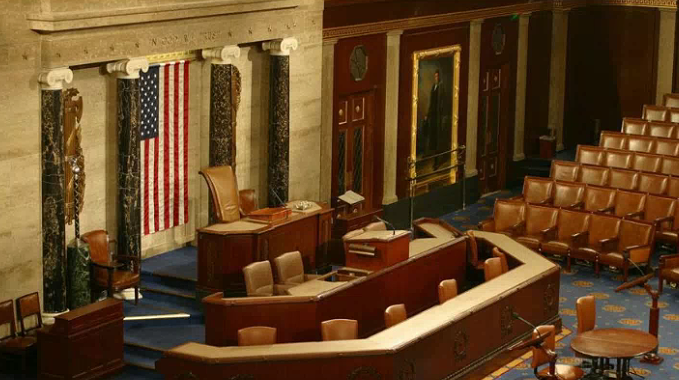
The U.S. House of Representatives narrowly rejected a resolution requiring President Trump to withdraw troops from the conflict with Iran by a vote of 213 to 214. This followed a similar rejection of a similar proposal by the Senate the previous day. The vote largely followed partisan lines, with Republican lawmakers largely united behind Trump, emphasizing the need to continue addressing the threat of Iran's nuclear capabilities.
Although efforts to end the war have failed, some Republicans have called on the government to quickly propose a clear exit strategy or authorization to use force, thus defining the boundaries of action. The 60-day deadline stipulated in the War Powers Act (around May 1st) is fast approaching.
Oil prices rose significantly on Thursday (April 16) following the congressional vote. Brent crude for June delivery rose as much as 4.7% to $101.7 per barrel; WTI crude surged more than 4% after the vote, and although it retreated somewhat in the evening, it remained at high levels.
Market participants believe that this vote reinforces expectations that the conflict may be prolonged, prompting investors to buy energy assets again.
The resolution's failure to pass reignited market concerns about a protracted conflict and high fuel prices. Standard Chartered analysts stated that the U.S.-imposed reverse blockade could further reduce Iranian oil supply by 1.5 million to 1.8 million barrels per day, primarily exported to major Asian countries, thus exacerbating global exposure to the conflict.
Standard Chartered Bank points out that although near-month oil prices once exceeded $120 per barrel at their peak, the forward curve has stabilized in the $68-70 range. Currently, there is a significant premium between near-month and far-month contracts, indicating that the market is paying a high premium for immediate delivery in exchange for disrupted Middle Eastern supplies.
The agency predicts that oil prices will be $10-20 per barrel higher than pre-conflict levels, mainly supported by factors such as strategic reserve purchases, resource stockpiling, and logistical delays.
Standard Chartered Bank also warned that the US's reverse lockdown could trigger multiple chain risks:
1. Iran may call on the Houthi rebels to resume attacks on shipping in the Bab el-Mandeb Strait;
2. Military deployments in the Strait of Hormuz increase the risk of unforeseen events;
3. Freight and war insurance costs have risen sharply, with insurance premiums through the Gulf region now soaring to 5%-10% of the vessel's value.
The large number of ships forced to detour around the Cape of Good Hope has further increased global logistics costs.
In stark contrast to the volatile oil market, the natural gas market is currently weathering the impact of supply disruptions in the Middle East. Standard Chartered notes that the reduction in LNG cargoes from Qatar and the UAE is being largely offset by new supply in 2026 (especially from the US). US Henry Hub natural gas prices have fallen from over $7.40/MMBtu at the start of the war to the current $2.65/MMBtu, and European natural gas futures have also seen a significant decline.
However, Standard Chartered Bank expects Europe and Asia to compete for natural gas resources this summer, and demand for replenishing European inventories could push prices above €80 per megawatt-hour.
The US Congressional resolution supporting continued military action against Iran provided strong support for oil prices, but also exacerbated market concerns about a protracted conflict. In the short term, oil prices will continue to be dominated by geopolitical risks, while the natural gas market has shown greater resilience.
Future oil price trends will depend on the progress of US-Iran negotiations, the strength of the blockade, and actual changes in global energy supply and demand.
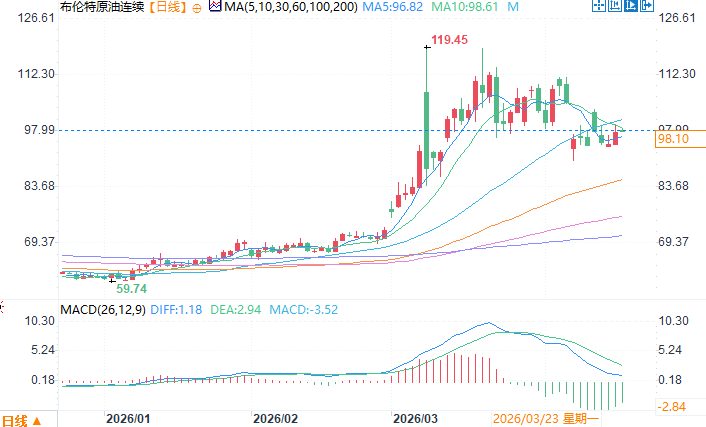
Brent crude oil daily chart source: EasyForex
At 11:18 AM Beijing time on April 17, Brent crude oil futures were trading at $98.35 per barrel.
Congressional vote results: Republicans united in support of continued intervention
The U.S. House of Representatives narrowly rejected a resolution requiring President Trump to withdraw troops from the conflict with Iran by a vote of 213 to 214. This followed a similar rejection of a similar proposal by the Senate the previous day. The vote largely followed partisan lines, with Republican lawmakers largely united behind Trump, emphasizing the need to continue addressing the threat of Iran's nuclear capabilities.
Although efforts to end the war have failed, some Republicans have called on the government to quickly propose a clear exit strategy or authorization to use force, thus defining the boundaries of action. The 60-day deadline stipulated in the War Powers Act (around May 1st) is fast approaching.
Oil prices rebounded strongly: Brent crude oil surged nearly 5% at one point.
Oil prices rose significantly on Thursday (April 16) following the congressional vote. Brent crude for June delivery rose as much as 4.7% to $101.7 per barrel; WTI crude surged more than 4% after the vote, and although it retreated somewhat in the evening, it remained at high levels.
Market participants believe that this vote reinforces expectations that the conflict may be prolonged, prompting investors to buy energy assets again.
The risk of a prolonged conflict is increasing, and markets are worried about further tightening of supply.
The resolution's failure to pass reignited market concerns about a protracted conflict and high fuel prices. Standard Chartered analysts stated that the U.S.-imposed reverse blockade could further reduce Iranian oil supply by 1.5 million to 1.8 million barrels per day, primarily exported to major Asian countries, thus exacerbating global exposure to the conflict.
Standard Chartered Bank points out that although near-month oil prices once exceeded $120 per barrel at their peak, the forward curve has stabilized in the $68-70 range. Currently, there is a significant premium between near-month and far-month contracts, indicating that the market is paying a high premium for immediate delivery in exchange for disrupted Middle Eastern supplies.
The agency predicts that oil prices will be $10-20 per barrel higher than pre-conflict levels, mainly supported by factors such as strategic reserve purchases, resource stockpiling, and logistical delays.
Potential risks of reverse blocking
Standard Chartered Bank also warned that the US's reverse lockdown could trigger multiple chain risks:
1. Iran may call on the Houthi rebels to resume attacks on shipping in the Bab el-Mandeb Strait;
2. Military deployments in the Strait of Hormuz increase the risk of unforeseen events;
3. Freight and war insurance costs have risen sharply, with insurance premiums through the Gulf region now soaring to 5%-10% of the vessel's value.
The large number of ships forced to detour around the Cape of Good Hope has further increased global logistics costs.
The natural gas market has performed relatively steadily.
In stark contrast to the volatile oil market, the natural gas market is currently weathering the impact of supply disruptions in the Middle East. Standard Chartered notes that the reduction in LNG cargoes from Qatar and the UAE is being largely offset by new supply in 2026 (especially from the US). US Henry Hub natural gas prices have fallen from over $7.40/MMBtu at the start of the war to the current $2.65/MMBtu, and European natural gas futures have also seen a significant decline.
However, Standard Chartered Bank expects Europe and Asia to compete for natural gas resources this summer, and demand for replenishing European inventories could push prices above €80 per megawatt-hour.
Overall Outlook
The US Congressional resolution supporting continued military action against Iran provided strong support for oil prices, but also exacerbated market concerns about a protracted conflict. In the short term, oil prices will continue to be dominated by geopolitical risks, while the natural gas market has shown greater resilience.
Future oil price trends will depend on the progress of US-Iran negotiations, the strength of the blockade, and actual changes in global energy supply and demand.
Brent crude oil daily chart source: EasyForex
At 11:18 AM Beijing time on April 17, Brent crude oil futures were trading at $98.35 per barrel.
- Risk Warning and Disclaimer
- The market involves risk, and trading may not be suitable for all investors. This article is for reference only and does not constitute personal investment advice, nor does it take into account certain users’ specific investment objectives, financial situation, or other needs. Any investment decisions made based on this information are at your own risk.