Despite the Iranian conflict blocking the Strait of Hormuz, US crude oil exports have hit a record high! Asian buyers are frantically shifting their focus to the Gulf of Mexico.
2026-05-04 09:59:30
As the war with Iran continues to escalate, the Strait of Hormuz, the world's most critical oil shipping chokepoint, has effectively been severed, preventing over 20 million barrels of Middle Eastern crude oil daily from reaching the international market. Against this backdrop, global buyers, especially major Asian refining nations, have rapidly adjusted their purchasing strategies, turning their attention to the US Gulf Coast. Data shows that in April of this year, US crude oil exports surged to an unprecedented 5.2 million barrels per day, with long lines of tankers at the ports of Corpus Christi and Houston, presenting a scene of wartime emergency procurement. This geopolitical conflict has unexpectedly allowed US crude oil to play a crucial alternative role in the global energy landscape.
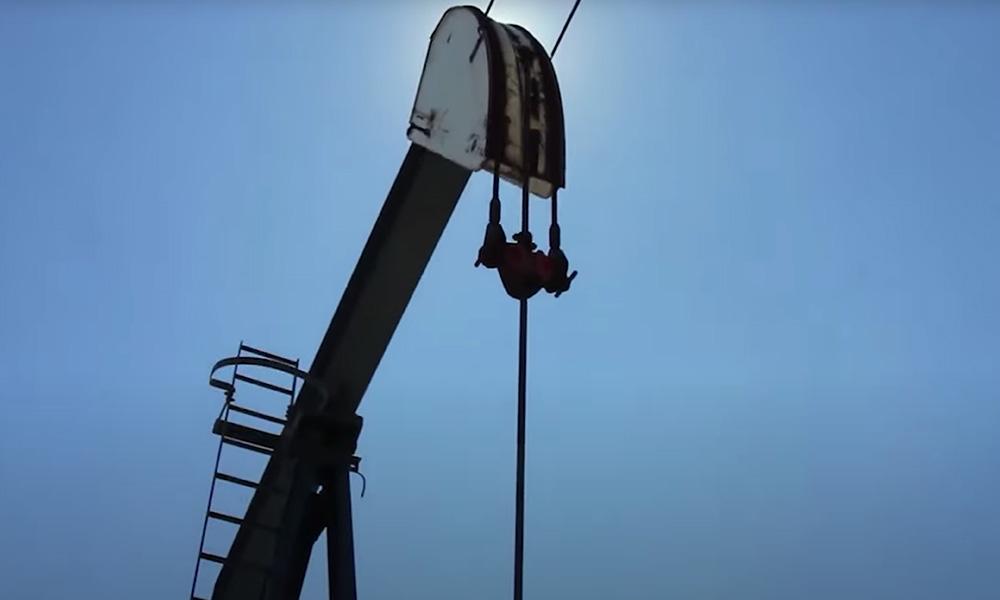
Before the war, the Port of Corpus Christi in Texas was already the world's third-largest oil export terminal, after the Port of Rastanura in Saudi Arabia and the Port of Basra in Iraq.
However, with the Iranian military taking actual control of the Strait of Hormuz, the export capacity of the two major Persian Gulf ports has almost disappeared, and the strategic importance of Corpus Christi Port has suddenly risen.
According to the port's CEO, Kent Britton, March was the busiest month in the port's more than 100-year history, and the first quarter also broke the record for the highest quarterly export volume. Normally, the port receives about 200 ships of various types per month, but after the outbreak of war, ship traffic in March surged to more than 240 ships.
Even more remarkably, the port's crude oil exports have increased from 2.2 million barrels per day last year to approximately 2.5 million barrels per day currently. Britton vividly described it as a never-ending march of oil tankers, one after another crowding into the port, loading crude oil, and quickly sailing to the other side of the Pacific Ocean.
Statistics from commodities data company Kpler show that about half of all U.S. crude oil exports in April were loaded at the Port of Corpus Christi, with the majority of the remainder handled by the Port of Houston. The real driving force behind this export surge comes from Asia.
Matt Smith, director of commodities research at Kpler, points out that approximately 50 to 60 Very Large Crude Carriers (VLCCs) are currently en route to U.S. ports daily, double the number from the same period last year. Each VLCC can typically carry up to 2 million barrels of oil. A significant portion of these tankers originally intended to transport cargo from the Middle East to Asia, but due to the closure of the Strait of Hormuz, they are now forced to circumnavigate half the globe, heading empty to the U.S. Gulf Coast.
Smith further explained that the Asian market is aggressively buying up all available light, low-sulfur crude oil, and the United States happens to be the main supplier of this type of crude. At the same time, exports of refined products from the Port of Corpus Christi to the Middle East have also seen explosive growth.
According to Britton, in the first quarter of this year alone, the port's total shipments of refined products to the Middle East already exceeded the total for the entire previous year. This phenomenon illustrates that the United States is not only supplying alternative crude oil to Asia, but is also reversing this trend by providing refined petroleum products to the Middle East, highlighting an unprecedented restructuring of the global oil supply chain.
Despite the surge in U.S. crude oil exports during this war, industry analysts generally believe it is more likely a wartime contingency measure than a permanent abandonment of Middle Eastern supplies by Asian buyers. Kpler's Smith outlined several key constraints.
First, many refineries in Asia have invested in and configured their equipment to optimize the processing of heavy, sulfurous crude oil from the Middle East, while the US shale oil revolution has brought about light, low-sulfur crude oil. The chemical properties and refining processes of the two are significantly different. Simply put, forcibly injecting large amounts of light crude oil into refineries designed to process heavy crude oil will lead to decreased efficiency, increased equipment wear and tear, and may even require blending with other oil types for normal processing.
Secondly, the United States' own export infrastructure is not unlimited. Smith explicitly stated that due to hardware limitations such as terminal berths, loading arms, storage tanks, and pipelines connecting to the hinterland, the United States' crude oil export capacity is likely to peak at a level slightly above 5 million barrels per day.
Britton also acknowledged that the Port of Corpus Christi is currently limited by pipeline capacity, with a maximum daily export volume of approximately 2.6 million barrels. Even considering future pipeline expansion, it can only add about 500,000 barrels of daily processing capacity.
In contrast, before the war, crude oil transported through the Strait of Hormuz accounted for about 20% of the global supply, a huge gap that could not be filled by increases from the United States, Latin America, or West Africa.
Smith concluded that this was an unfillable loophole, and the real answer must be to ensure the safe restoration of crude oil supplies to the Middle East as soon as possible.
In conclusion, the blockade of the Strait of Hormuz triggered by the Iran-Iraq War unexpectedly propelled US crude oil exports to a record high of 5.2 million barrels per day, making Ports Corpus Christi and Houston new destinations for global oil tankers. Asian buyers, willing to pay high prices to purchase US light, low-sulfur crude oil across the ocean to ensure refinery operations, even indirectly boosted US refined product exports to the Middle East.
However, this large-scale adjustment in crude oil flows is more a forced choice under the geopolitical crisis than a fundamental change in long-term trade routes. The export ceiling of US infrastructure and the mismatch between light crude oil and Asian refineries determine that the US cannot truly replace the Middle East as the core of global oil supply. Once the war ends and the Strait of Hormuz reopens, global oil trade is likely to quickly return to its traditional pattern. But for now, giant oil tankers along the Gulf Coast continue loading day and night, bearing witness to the true picture of this energy world distorted by war.
Port of Corpus Christi: From Regional Hub to New Global Oil Export Giant
Before the war, the Port of Corpus Christi in Texas was already the world's third-largest oil export terminal, after the Port of Rastanura in Saudi Arabia and the Port of Basra in Iraq.
However, with the Iranian military taking actual control of the Strait of Hormuz, the export capacity of the two major Persian Gulf ports has almost disappeared, and the strategic importance of Corpus Christi Port has suddenly risen.
According to the port's CEO, Kent Britton, March was the busiest month in the port's more than 100-year history, and the first quarter also broke the record for the highest quarterly export volume. Normally, the port receives about 200 ships of various types per month, but after the outbreak of war, ship traffic in March surged to more than 240 ships.
Even more remarkably, the port's crude oil exports have increased from 2.2 million barrels per day last year to approximately 2.5 million barrels per day currently. Britton vividly described it as a never-ending march of oil tankers, one after another crowding into the port, loading crude oil, and quickly sailing to the other side of the Pacific Ocean.
Asian buyers go on a shopping spree: a major shift in shipping routes from the Persian Gulf to the Gulf of Mexico.
Statistics from commodities data company Kpler show that about half of all U.S. crude oil exports in April were loaded at the Port of Corpus Christi, with the majority of the remainder handled by the Port of Houston. The real driving force behind this export surge comes from Asia.
Matt Smith, director of commodities research at Kpler, points out that approximately 50 to 60 Very Large Crude Carriers (VLCCs) are currently en route to U.S. ports daily, double the number from the same period last year. Each VLCC can typically carry up to 2 million barrels of oil. A significant portion of these tankers originally intended to transport cargo from the Middle East to Asia, but due to the closure of the Strait of Hormuz, they are now forced to circumnavigate half the globe, heading empty to the U.S. Gulf Coast.
Smith further explained that the Asian market is aggressively buying up all available light, low-sulfur crude oil, and the United States happens to be the main supplier of this type of crude. At the same time, exports of refined products from the Port of Corpus Christi to the Middle East have also seen explosive growth.
According to Britton, in the first quarter of this year alone, the port's total shipments of refined products to the Middle East already exceeded the total for the entire previous year. This phenomenon illustrates that the United States is not only supplying alternative crude oil to Asia, but is also reversing this trend by providing refined petroleum products to the Middle East, highlighting an unprecedented restructuring of the global oil supply chain.
Emergency response or long-term shift? US crude oil cannot completely replace Middle Eastern heavy oil.
Despite the surge in U.S. crude oil exports during this war, industry analysts generally believe it is more likely a wartime contingency measure than a permanent abandonment of Middle Eastern supplies by Asian buyers. Kpler's Smith outlined several key constraints.
First, many refineries in Asia have invested in and configured their equipment to optimize the processing of heavy, sulfurous crude oil from the Middle East, while the US shale oil revolution has brought about light, low-sulfur crude oil. The chemical properties and refining processes of the two are significantly different. Simply put, forcibly injecting large amounts of light crude oil into refineries designed to process heavy crude oil will lead to decreased efficiency, increased equipment wear and tear, and may even require blending with other oil types for normal processing.
Secondly, the United States' own export infrastructure is not unlimited. Smith explicitly stated that due to hardware limitations such as terminal berths, loading arms, storage tanks, and pipelines connecting to the hinterland, the United States' crude oil export capacity is likely to peak at a level slightly above 5 million barrels per day.
Britton also acknowledged that the Port of Corpus Christi is currently limited by pipeline capacity, with a maximum daily export volume of approximately 2.6 million barrels. Even considering future pipeline expansion, it can only add about 500,000 barrels of daily processing capacity.
In contrast, before the war, crude oil transported through the Strait of Hormuz accounted for about 20% of the global supply, a huge gap that could not be filled by increases from the United States, Latin America, or West Africa.
Smith concluded that this was an unfillable loophole, and the real answer must be to ensure the safe restoration of crude oil supplies to the Middle East as soon as possible.
Summary: The temporary reshaping of the global energy landscape and future uncertainties
In conclusion, the blockade of the Strait of Hormuz triggered by the Iran-Iraq War unexpectedly propelled US crude oil exports to a record high of 5.2 million barrels per day, making Ports Corpus Christi and Houston new destinations for global oil tankers. Asian buyers, willing to pay high prices to purchase US light, low-sulfur crude oil across the ocean to ensure refinery operations, even indirectly boosted US refined product exports to the Middle East.
However, this large-scale adjustment in crude oil flows is more a forced choice under the geopolitical crisis than a fundamental change in long-term trade routes. The export ceiling of US infrastructure and the mismatch between light crude oil and Asian refineries determine that the US cannot truly replace the Middle East as the core of global oil supply. Once the war ends and the Strait of Hormuz reopens, global oil trade is likely to quickly return to its traditional pattern. But for now, giant oil tankers along the Gulf Coast continue loading day and night, bearing witness to the true picture of this energy world distorted by war.
- Risk Warning and Disclaimer
- The market involves risk, and trading may not be suitable for all investors. This article is for reference only and does not constitute personal investment advice, nor does it take into account certain users’ specific investment objectives, financial situation, or other needs. Any investment decisions made based on this information are at your own risk.