The Reserve Bank of Australia raised interest rates by 25 basis points, causing the Australian dollar to rise sharply against the US dollar.
2026-05-06 13:52:40
According to APP, ING analysis indicates that the Reserve Bank of Australia's decision on Tuesday to raise the cash rate by 25 basis points to 4.35% by a vote of 8 to 1 was more decisive than the divided decision at its previous meeting. This move marks the third consecutive rate hike in 2026, completely reversing the effects of last year's easing cycle.

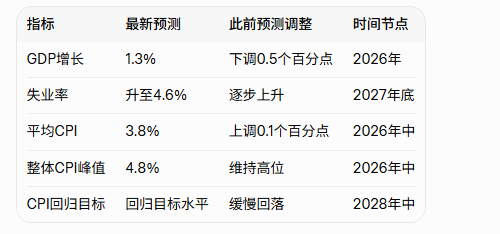
The Reserve Bank of Australia (RBA) also lowered its 2026 GDP growth forecast by 0.5 percentage points to 1.3%, and expects the unemployment rate to rise to 4.6% by the end of 2027. The revised average CPI for mid-2026 was only slightly revised upward by 0.1 percentage points to 3.8%, with the overall CPI expected to peak at 4.8% in mid-2026 and not return to the target level until mid-2028.
Communication from the Reserve Bank of Australia (RBA) indicates that the cash rate is currently at, but close to, the upper end of the model-based neutral rate range, and policy is considered restrictive. Unless inflation data significantly exceeds expectations, the RBA is expected to hold rates steady at its June meeting. The short-term decline in the Australian dollar following the decision announcement is interpreted by the market as temporary; the RBA has fully priced in its hawkish stance and is prepared to take further action if necessary.
Following the recent policy decision, Reserve Bank of Australia Governor Michele Bullock stated that the rate hike was necessary, despite exacerbating cost-of-living pressures, but the cost of inaction would have been far greater. She emphasized the second-round impact of Middle East geopolitical conflicts driving up fuel prices, and domestic production constraints, which are increasing inflation risks; policy needs to remain restrictive to anchor inflation expectations.
This rate hike reflects the Reserve Bank of Australia's concerns about persistent inflation. The Middle East conflict has led to soaring oil prices, coupled with domestic demand-side pressures, tilting the inflation path upward. While expectations of slower economic growth align with the logic of policy tightening, they also highlight the dual challenges facing households—increasing mortgage burdens and rising business costs.
The following table compares the latest economic forecast adjustments from the Reserve Bank of Australia:
Amidst a global divergence in central bank policies, the Reserve Bank of Australia's decisive action highlights its priority on addressing local inflationary pressures. While the policy paths of major Asian economies are heavily influenced by the Federal Reserve, Australia, as a resource-based open economy, must balance commodity price volatility with exchange rate stability in its interest rate decisions. The Australian dollar is expected to stabilize after short-term pressure, reflecting that the market has already digested this hawkish signal.
This decision strengthens the role of monetary policy in curbing demand and inflation expectations, but also increases the difficulty of achieving a soft landing for the economy. Investors need to closely monitor future inflation data, geopolitical risk developments, and labor market indicators to assess the possibility of further policy tightening.
Editor's Summary:
The Reserve Bank of Australia (RBA) decisively raised interest rates to 4.35% and lowered its growth forecast, reflecting its restrictive policy stance in the face of inflationary pressures. While short-term economic growth faces challenges, this move will contribute to long-term price stability. Future policy path will be highly data-dependent, with geopolitical factors and domestic production capacity being key variables.
The Reserve Bank of Australia (RBA) also lowered its 2026 GDP growth forecast by 0.5 percentage points to 1.3%, and expects the unemployment rate to rise to 4.6% by the end of 2027. The revised average CPI for mid-2026 was only slightly revised upward by 0.1 percentage points to 3.8%, with the overall CPI expected to peak at 4.8% in mid-2026 and not return to the target level until mid-2028.
Communication from the Reserve Bank of Australia (RBA) indicates that the cash rate is currently at, but close to, the upper end of the model-based neutral rate range, and policy is considered restrictive. Unless inflation data significantly exceeds expectations, the RBA is expected to hold rates steady at its June meeting. The short-term decline in the Australian dollar following the decision announcement is interpreted by the market as temporary; the RBA has fully priced in its hawkish stance and is prepared to take further action if necessary.
Following the recent policy decision, Reserve Bank of Australia Governor Michele Bullock stated that the rate hike was necessary, despite exacerbating cost-of-living pressures, but the cost of inaction would have been far greater. She emphasized the second-round impact of Middle East geopolitical conflicts driving up fuel prices, and domestic production constraints, which are increasing inflation risks; policy needs to remain restrictive to anchor inflation expectations.
This rate hike reflects the Reserve Bank of Australia's concerns about persistent inflation. The Middle East conflict has led to soaring oil prices, coupled with domestic demand-side pressures, tilting the inflation path upward. While expectations of slower economic growth align with the logic of policy tightening, they also highlight the dual challenges facing households—increasing mortgage burdens and rising business costs.
The following table compares the latest economic forecast adjustments from the Reserve Bank of Australia:
Amidst a global divergence in central bank policies, the Reserve Bank of Australia's decisive action highlights its priority on addressing local inflationary pressures. While the policy paths of major Asian economies are heavily influenced by the Federal Reserve, Australia, as a resource-based open economy, must balance commodity price volatility with exchange rate stability in its interest rate decisions. The Australian dollar is expected to stabilize after short-term pressure, reflecting that the market has already digested this hawkish signal.
This decision strengthens the role of monetary policy in curbing demand and inflation expectations, but also increases the difficulty of achieving a soft landing for the economy. Investors need to closely monitor future inflation data, geopolitical risk developments, and labor market indicators to assess the possibility of further policy tightening.
Editor's Summary:
The Reserve Bank of Australia (RBA) decisively raised interest rates to 4.35% and lowered its growth forecast, reflecting its restrictive policy stance in the face of inflationary pressures. While short-term economic growth faces challenges, this move will contribute to long-term price stability. Future policy path will be highly data-dependent, with geopolitical factors and domestic production capacity being key variables.
- Risk Warning and Disclaimer
- The market involves risk, and trading may not be suitable for all investors. This article is for reference only and does not constitute personal investment advice, nor does it take into account certain users’ specific investment objectives, financial situation, or other needs. Any investment decisions made based on this information are at your own risk.