Gold surges 2.3% in a flash! US CPI data ignites risk appetite.
2026-07-14 20:42:11
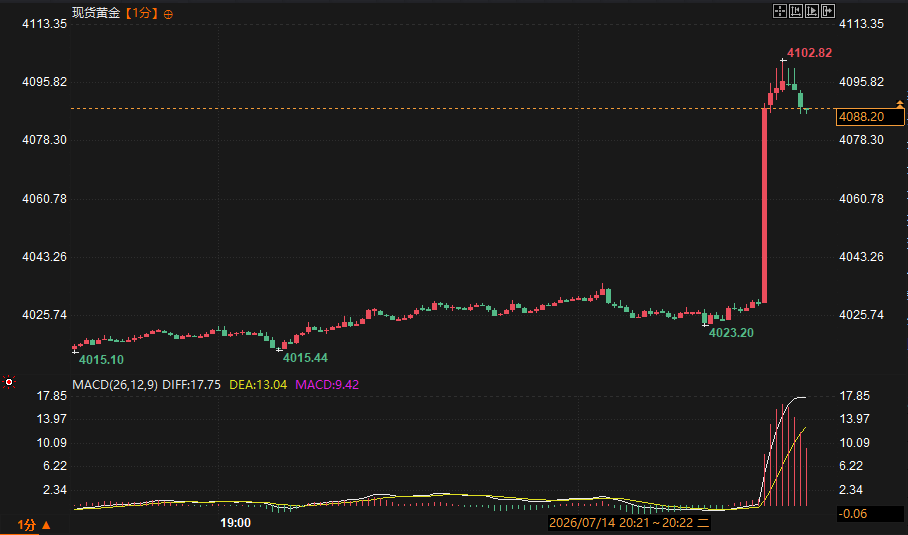
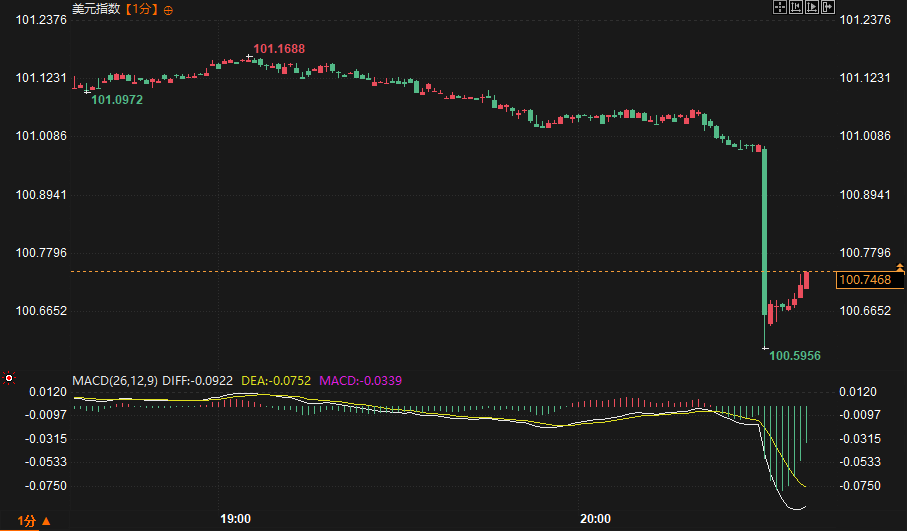
On Tuesday (July 14), the U.S. Department of Labor released June's CPI data, showing a year-on-year increase of 3.5% from 4.2% in May, lower than the market expectation of 3.8%. The unadjusted monthly rate was -0.35%, with core indicators also showing a cooling trend. The data was released at 20:30 Beijing time, triggering an immediate market reaction. 
 Institutional and retail investor opinions differed significantly. Before the data release, some institutional analysts focused on core inflation stickiness and geopolitical factors, maintaining a cautious outlook and believing the Federal Reserve might need to maintain or tighten policy to address the risk of a rebound. Retail investors, on the other hand, discussed the direct impact of oil prices on inflation, with an overall neutral outlook. After the release, prominent macro accounts quickly shifted their stance, believing the "soft landing" data eased concerns about interest rate hikes, benefiting risk assets and commodities. Retail investors reacted more directly, expressing optimism with phrases like "beyond expectations," and some traders shared screenshots of immediate profits after gold's breakout. The discrepancy in expectations mainly stemmed from the larger-than-expected decline in prices compared to some institutions' forecasts, leading to a greater adjustment in yields and the dollar than previously agreed. Fundamentals and technicals mutually validated each other: the short-term easing of energy prices coupled with positive data jointly boosted market risk appetite. However, core inflation still needs continued monitoring to determine if this represents a trend reversal.
Market Background
Recent energy price fluctuations have been significantly influenced by the situation in Iran, with the temporary decline in oil prices providing a buffer for overall price levels. Previously, market concerns about a rebound in inflation pushed up interest rate expectations, keeping US Treasury yields high and the US dollar index relatively strong. Prior to the data release, traders priced in a rate hike at the Fed's July meeting at approximately 2/5. Safe-haven assets such as gold fluctuated at high levels, while stock and futures markets remained cautiously inactive.Deep interconnect analysis
The better-than-expected CPI data was mainly due to a decline in gasoline prices, and core inflation, excluding food and energy, also showed signs of slowing. Historically, inflation fell to a low of 2.3% in 2025, then rebounded in 2026 due to factors such as energy prices. The current reading of 3.5% marks a turning point in the short-term cooling trend. Latest quotes show that the 2-year US Treasury yield fell by about 10 basis points in the short term, hitting a low of 4.15%, reflecting a rapid correction in market expectations for policy tightening. Spot gold surged rapidly after the data release, breaking through previous highs with gains exceeding 2%, reaching a high near $4091; silver, platinum, and other precious metals also strengthened. The US dollar weakened significantly against currencies such as the Swiss franc. These price movements are consistent with historical reactions to similar cooling data: safe-haven demand boosts precious metals in the short term while simultaneously depressing the dollar and yields. Institutional and retail investor opinions differed significantly. Before the data release, some institutional analysts focused on core inflation stickiness and geopolitical factors, maintaining a cautious outlook and believing the Federal Reserve might need to maintain or tighten policy to address the risk of a rebound. Retail investors, on the other hand, discussed the direct impact of oil prices on inflation, with an overall neutral outlook. After the release, prominent macro accounts quickly shifted their stance, believing the "soft landing" data eased concerns about interest rate hikes, benefiting risk assets and commodities. Retail investors reacted more directly, expressing optimism with phrases like "beyond expectations," and some traders shared screenshots of immediate profits after gold's breakout. The discrepancy in expectations mainly stemmed from the larger-than-expected decline in prices compared to some institutions' forecasts, leading to a greater adjustment in yields and the dollar than previously agreed. Fundamentals and technicals mutually validated each other: the short-term easing of energy prices coupled with positive data jointly boosted market risk appetite. However, core inflation still needs continued monitoring to determine if this represents a trend reversal.Trend Outlook
In the short term, market focus will shift to subsequent inflation data and the Federal Reserve's statements. Precious metals, after breaking through key levels, may face profit-taking pressure, but overall support remains relatively solid. The downward trend in the US dollar index and US Treasury yields may continue until more data confirms the inflation path. The upward momentum of stock futures depends on the sustainability of risk sentiment. In the long term, if the trend of cooling inflation is established, it will open up room for policy adjustments; conversely, any renewed rise in energy prices could reignite volatility.Frequently Asked Questions
Q: What are the main impacts of this CPI data on the Fed's policy path? Better-than-expected data reduced the probability of a July rate hike, and the market will focus more on another inflation indicator at the end of the month. This indicator is considered more representative by the Fed and is currently still above the target level; policy decisions will still need to be data-driven. Q: Why did gold prices rise sharply after the data release? Cooling inflation eased tightening expectations, reduced the attractiveness of the dollar and real yields, and increased demand for precious metals as alternative assets. Historically, gold has often shown a similar positive reaction in similar scenarios. Q: Where do the differences between institutional and retail investor views mainly lie? Institutions focus more on core inflation stickiness and long-term trends, and are more cautious beforehand; retail investors focus more on headline data and immediate price fluctuations, and their optimistic sentiment spreads faster afterward. This expectation discrepancy amplifies short-term market volatility. Q: What is the logic behind the decline in US Treasury yields? Lower-than-expected inflation readings weakened the necessity of rate hikes, and investors adjusted their pricing of the Fed's path, leading to a rapid decline in short-term yields. This change is consistent with the bond market reaction after historical cooling data. Q: What variables need to be closely monitored going forward? First, energy price trends and geopolitical developments; second, subsequent statements from Federal Reserve officials; and third, more comprehensive inflation indicators at the end of the month. These factors will collectively determine the sustainability of the trend.- Risk Warning and Disclaimer
- The market involves risk, and trading may not be suitable for all investors. This article is for reference only and does not constitute personal investment advice, nor does it take into account certain users’ specific investment objectives, financial situation, or other needs. Any investment decisions made based on this information are at your own risk.