The Federal Reserve is expected to keep interest rates unchanged at its July meeting, as credit costs for Americans remain high.
2026-07-28 10:10:04
The market consensus is that the Federal Reserve will maintain its benchmark interest rate at its July meeting. Although US inflation data showed a slight decline in June, easing inflationary pressures, escalating conflicts in the Middle East pushing up oil prices and recurring geopolitical tensions between the US and Iran have completely disrupted the Fed's policy pace. The core characteristic of this meeting is a short-term hold-up, but the market has significantly postponed its rate hike expectations to September. Meanwhile, the Trump administration continues to pressure the Fed to cut rates, potentially triggering policy maneuvering. The high-interest-rate environment continues to put pressure on household credit, mortgage, and auto loan costs, while supporting savings returns, meaning that US household financial costs will remain high for a long time.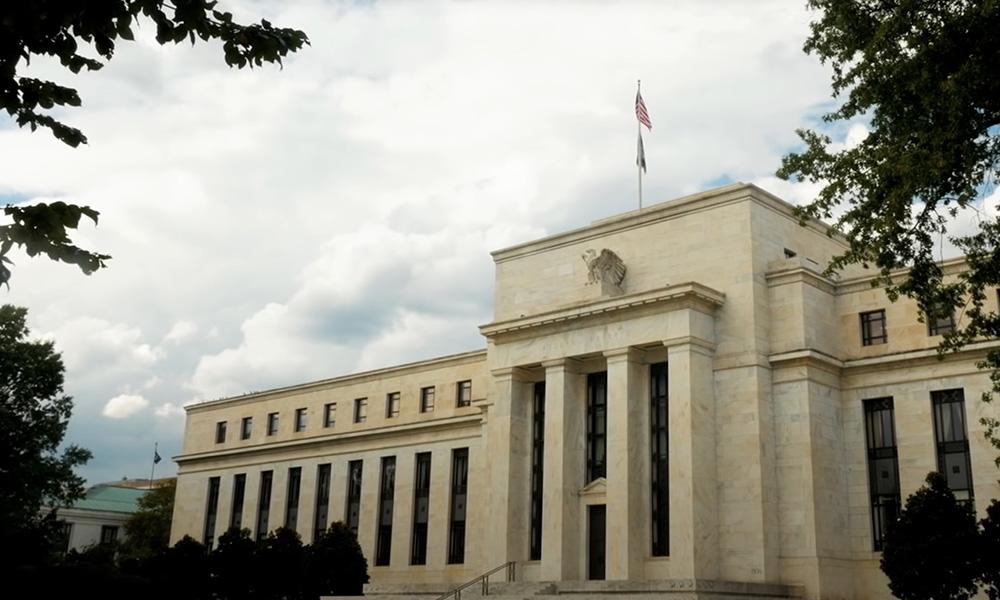
Policy fundamentals: Inflation is easing but external risks remain; a July rate hike is largely ruled out.
Since 2021, US inflation has consistently exceeded the Federal Reserve's 2% policy target, putting pressure on price stability under constant pressure from the new Fed Chairman, Warsh. Latest data shows that the US CPI unexpectedly fell in June, with the year-on-year inflation rate dropping to 3.5%, providing fundamental support for the Fed to postpone interest rate hikes. However, this short-term positive was quickly offset by external risks. Following June, the Middle East conflict escalated, international oil prices rebounded sharply, and the risk of imported inflation resurfaced, putting the Fed's monetary policy in a dilemma. Based on market pricing using the CME FedWatch Tool, traders have largely priced in a no-rate-hike expectation in July, significantly delaying the timing of this round of rate hikes to September.Policy Game: Conflict Between the White House's Demand for Interest Rate Cuts and the Federal Reserve's Policy Objectives
The Federal Reserve is currently facing a dual tug-of-war between external policy pressures and internal economic goals. The Trump administration continues to pressure the Fed to lower the federal funds rate in an attempt to boost the economy through easing policies. However, with rebounding energy inflation and unresolved geopolitical risks, price stability remains the Fed's core priority. An analysis by Columbia Business School points out that Trump's demands for rate cuts are unlikely to materialize in the short term, and the policy differences between the White House and the Fed may persist, becoming a potential variable for subsequent market volatility.Interest Rate Transmission Mechanism: How Federal Reserve Policies Affect Household Income and Expenditure
The Federal Reserve's benchmark interest rate is the cornerstone of pricing in the US financial market, directly determining banks' overnight lending costs, which in turn transmits to lending and savings rates across society, profoundly impacting people's lives. Raising interest rates increases financing costs, suppresses consumption and investment, and curbs inflation; lowering interest rates stimulates the economy but easily pushes up prices. There are significant differences in interest rate structures: short-term lending rates are closely linked to the Fed's benchmark rate and are highly sensitive to policy changes; long-term interest rates, such as mortgage rates, depend more on market factors such as US Treasury yields and inflation expectations, with the bond market having a strong influence on the pricing of long-term financing costs.Current status of segmented markets: Credit costs remain high across all sectors.
Housing Loans: Rising 10-year Treasury yields continue to support mortgage rates. Currently, 15-year and 30-year fixed mortgage rates in the US are firmly above 6.5%, with the positive effects of cooling inflation completely offset by rising oil prices and the US-Iran geopolitical conflict, keeping mortgage costs high. Auto Loans: Due to high financing costs, US car buyers are generally opting for higher loan amounts and longer terms to alleviate the financial burden of purchasing a car, putting continued pressure on the auto market. Student Loans: Existing federal student loan rates remain fixed and unaffected, but based on the results of the May Treasury auction, interest rates for new student loan applications are expected to rise. Credit Card Rates: Credit card floating rates are directly linked to the benchmark interest rate. The Federal Reserve's maintenance of high interest rates has kept annualized credit card fees consistently high, currently averaging 23.79%, and showing recent stability.Favorable factors for savings: The high-interest-rate environment continues the advantage of deposit returns.
In response to rising credit costs, the Federal Reserve maintained interest rates, keeping yields on various U.S. savings products relatively high. Although interest rates on high-interest deposits and large-denomination certificates of deposit have fallen from their previous peaks, they remain attractive compared to historical levels. This pattern of high savings yields is expected to continue in the short term, benefiting household savings allocation.Summarize
Overall, it's a foregone conclusion that the Federal Reserve will maintain interest rates unchanged in July. The brief cooling of inflation in June could not offset the inflationary concerns stemming from Middle East geopolitical conflicts and rebounding oil prices, leaving monetary policy still cautious. Market expectations for a rate hike have been postponed to September, and the Fed's wait-and-see attitude is clear. Meanwhile, the White House's pressure for rate cuts is locked in a struggle with the Fed's anti-inflation goals, leaving continued uncertainty about future policy. With interest rates stable, the cost of credit for US residents, including mortgages, auto loans, and credit cards, remains high, while savings returns maintain their advantage. The suppressive effect of high interest rates on the economy will continue to be evident.- Risk Warning and Disclaimer
- The market involves risk, and trading may not be suitable for all investors. This article is for reference only and does not constitute personal investment advice, nor does it take into account certain users’ specific investment objectives, financial situation, or other needs. Any investment decisions made based on this information are at your own risk.