The Federal Reserve has downplayed its forward guidance, and core inflation risk has become a key variable for future policy adjustments.
2026-07-28 16:42:04
In his latest report, Bill Adams, chief U.S. economist at Fifth Third Bank, said that as the Federal Reserve has reduced its use of traditional forward guidance since Kevin Warsh became chairman, market investors may pay more attention to the Federal Open Market Committee's (FOMC) assessment of the trend of core inflation. 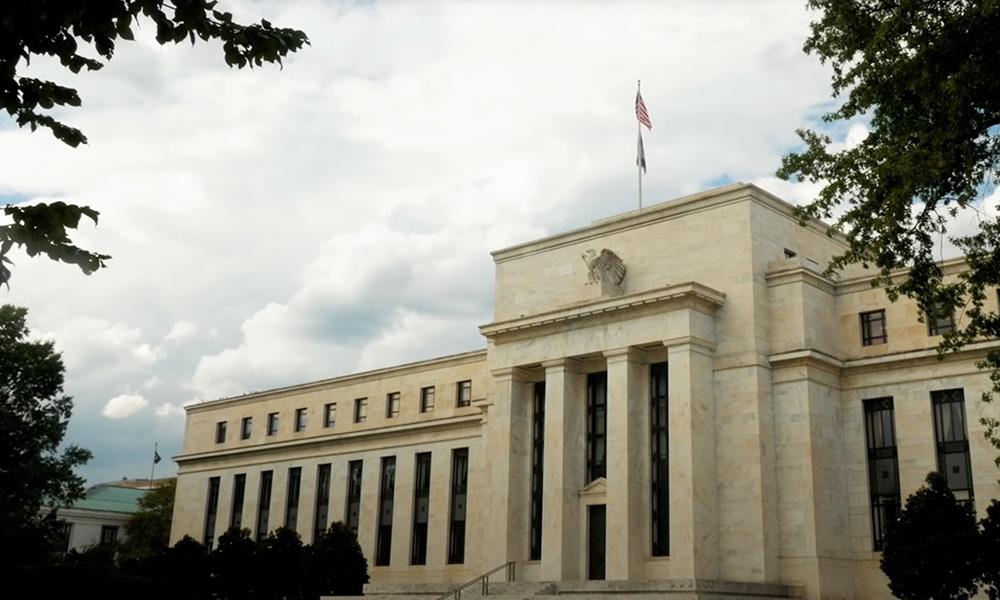 Adams points out that the Fed's policy statement is likely to continue reflecting the complexity of the current inflationary environment, namely the coexistence of improving price pressures and potential risks. On the one hand, some inflationary factors are easing, including housing market price adjustments and a moderate increase in rents, while the price-pushing effect of previous tariffs is gradually weakening. On the other hand, several factors may still limit further declines in inflation. In the energy market, changes in the Middle East situation and the impact on Russian energy exports could push oil prices up again, affecting overall price levels through transportation and production costs. In addition, a new round of tariffs could increase business costs again and push up prices for some goods. At the same time, rapid growth in investment and demand in artificial intelligence-related industries could also push up prices for electronic products and related supply chains. Inflationary pressures in the service sector are also worth noting. Due to limited labor supply, costs in some industries continue to rise, especially in labor-intensive services such as home healthcare and nursing care, and wage pressures may continue to be transmitted to consumer prices. The core issue currently being focused on by the market is not whether a single factor will push up inflation, but whether these short-term shocks will translate into more persistent core inflationary pressures. If the rise in energy, tariffs, and service costs is only a temporary effect, the Federal Reserve's policy space may gradually expand; however, if price pressures re-emerge, policymakers may need to maintain a more cautious interest rate stance. From a market perspective, the Fed's future policy path will remain highly dependent on inflation data. Investors will focus on the core Consumer Price Index (CPI), the Personal Consumption Expenditures Price Index (PCE), and changes in the labor market to determine whether inflation continues to move closer to the 2% target. Currently, market expectations for Fed policy remain divided. Some investors believe that as some inflationary pressures ease, the Fed may gradually shift to a more accommodative policy environment; however, others believe that factors such as energy, tariffs, and service costs may slow the decline in inflation. For the dollar, gold, and bond markets, the core inflation trend will be a crucial influencing factor. If inflation continues to decline, the market may re-strengthen expectations of interest rate cuts, potentially reducing pressure on dollar yields and supporting precious metals. Conversely, if inflation rebounds again, the Fed may maintain a restrictive policy for a longer period, and the dollar and bond yields may remain high.
  Editor's Summary: The biggest challenge facing the Federal Reserve is determining whether short-term price shocks will evolve into long-term inflationary pressures. Declining housing costs and waning tariff effects provide positive signals, but uncertainties remain regarding energy and service costs, as well as demand from emerging industries. Future market trading logic will shift from simply focusing on interest rate levels to focusing on changes in the structure of inflation. If core inflation continues to improve, the Fed's policy space may expand; if multiple cost factors re-emerge to push up price pressures, interest rates may remain high for an extended period. Investors need to pay close attention to subsequent inflation data and policy statements from Fed officials to determine the new direction of the dollar, gold, and global asset markets.
Adams points out that the Fed's policy statement is likely to continue reflecting the complexity of the current inflationary environment, namely the coexistence of improving price pressures and potential risks. On the one hand, some inflationary factors are easing, including housing market price adjustments and a moderate increase in rents, while the price-pushing effect of previous tariffs is gradually weakening. On the other hand, several factors may still limit further declines in inflation. In the energy market, changes in the Middle East situation and the impact on Russian energy exports could push oil prices up again, affecting overall price levels through transportation and production costs. In addition, a new round of tariffs could increase business costs again and push up prices for some goods. At the same time, rapid growth in investment and demand in artificial intelligence-related industries could also push up prices for electronic products and related supply chains. Inflationary pressures in the service sector are also worth noting. Due to limited labor supply, costs in some industries continue to rise, especially in labor-intensive services such as home healthcare and nursing care, and wage pressures may continue to be transmitted to consumer prices. The core issue currently being focused on by the market is not whether a single factor will push up inflation, but whether these short-term shocks will translate into more persistent core inflationary pressures. If the rise in energy, tariffs, and service costs is only a temporary effect, the Federal Reserve's policy space may gradually expand; however, if price pressures re-emerge, policymakers may need to maintain a more cautious interest rate stance. From a market perspective, the Fed's future policy path will remain highly dependent on inflation data. Investors will focus on the core Consumer Price Index (CPI), the Personal Consumption Expenditures Price Index (PCE), and changes in the labor market to determine whether inflation continues to move closer to the 2% target. Currently, market expectations for Fed policy remain divided. Some investors believe that as some inflationary pressures ease, the Fed may gradually shift to a more accommodative policy environment; however, others believe that factors such as energy, tariffs, and service costs may slow the decline in inflation. For the dollar, gold, and bond markets, the core inflation trend will be a crucial influencing factor. If inflation continues to decline, the market may re-strengthen expectations of interest rate cuts, potentially reducing pressure on dollar yields and supporting precious metals. Conversely, if inflation rebounds again, the Fed may maintain a restrictive policy for a longer period, and the dollar and bond yields may remain high. Editor's Summary: The biggest challenge facing the Federal Reserve is determining whether short-term price shocks will evolve into long-term inflationary pressures. Declining housing costs and waning tariff effects provide positive signals, but uncertainties remain regarding energy and service costs, as well as demand from emerging industries. Future market trading logic will shift from simply focusing on interest rate levels to focusing on changes in the structure of inflation. If core inflation continues to improve, the Fed's policy space may expand; if multiple cost factors re-emerge to push up price pressures, interest rates may remain high for an extended period. Investors need to pay close attention to subsequent inflation data and policy statements from Fed officials to determine the new direction of the dollar, gold, and global asset markets.
- Risk Warning and Disclaimer
- The market involves risk, and trading may not be suitable for all investors. This article is for reference only and does not constitute personal investment advice, nor does it take into account certain users’ specific investment objectives, financial situation, or other needs. Any investment decisions made based on this information are at your own risk.