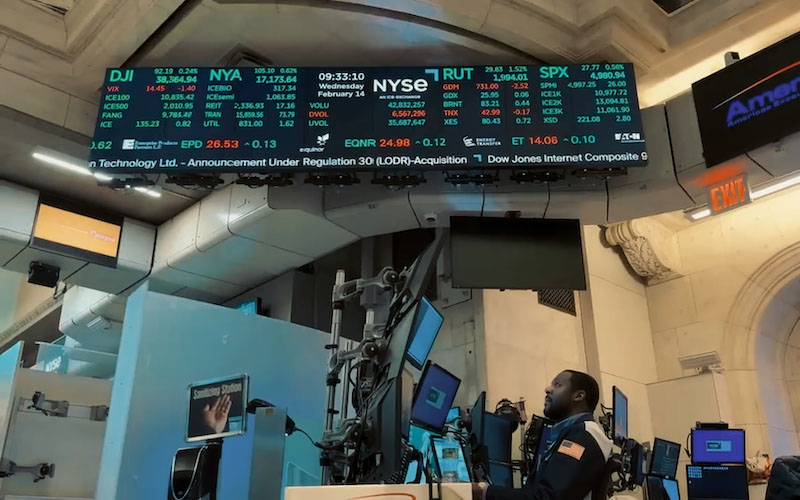
The conflicting statements made by the US and Iran during negotiations have fueled a surge in silver prices.
2026-08-04 20:10:52
On Tuesday (August 4), precious metals rose across the board, with spot silver surging 1.76%, LME copper jumping 1.78%, and gold rising moderately. Crude oil, however, came under pressure and fell, with US crude dropping nearly 2%. The US dollar index weakened slightly, and US Treasury yields fluctuated, with the yield curve steepening. Repeated geopolitical signals and persistent energy supply bottlenecks kept short-term market sentiment highly tense.  Latest developments indicate that the US-Iran standoff over passage rights at the Strait of Hormuz has devolved into a stalemate, with each side sticking to its own narrative. Meanwhile, the US Treasury Secretary's public endorsement of yen intervention has sent shockwaves through the currency market. Aramco's CEO warned of a 18-month inventory replenishment cycle, and news of tanker attacks continues to surface. For traders, this moment demands not only vigilance against price spikes driven by diplomatic statements but also an understanding of the subtle restructuring of long-term supply logic beneath the surface. With hopes for negotiation clashing with a power struggle, risk premiums are frequently fluctuating; one-sided bets should be avoided.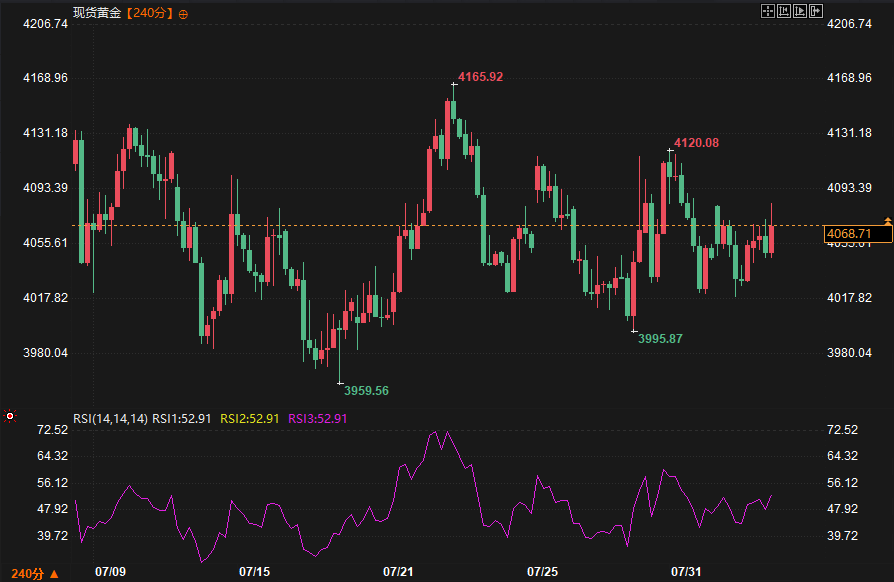
Latest developments indicate that the US-Iran standoff over passage rights at the Strait of Hormuz has devolved into a stalemate, with each side sticking to its own narrative. Meanwhile, the US Treasury Secretary's public endorsement of yen intervention has sent shockwaves through the currency market. Aramco's CEO warned of a 18-month inventory replenishment cycle, and news of tanker attacks continues to surface. For traders, this moment demands not only vigilance against price spikes driven by diplomatic statements but also an understanding of the subtle restructuring of long-term supply logic beneath the surface. With hopes for negotiation clashing with a power struggle, risk premiums are frequently fluctuating; one-sided bets should be avoided.The protracted US-Iran tug-of-war: Crude oil prices are under short-term pressure, and long-term warning signs are already sounding.
Overnight, US crude oil prices fell nearly 2%, but underlying news was turbulent. Qatar admitted there was no set negotiation agenda, and Iran insisted on maintaining complete control over ships entering the port under its proposed temporary Hormuz arrangement, rejecting any alternatives. Meanwhile, major overseas institutions reported attacks on ships, causing risk premiums to rise again. Aramco's CEO warned that even if the Strait of Hormuz reopens today, replenishing inventories would take up to 18 months, and global refineries are nearing full capacity. This suggests that any supply disruptions will be difficult to resolve quickly, and while there may be a solid buffer on the downside for oil prices, short-term prices will still fluctuate sharply based on diplomatic signals. At the same time, the situation in Russia and Ukraine, including a drone attack on a cargo ship, indicates that risks in the Black Sea have not subsided, and shipping insurance rates remain high.Bessant speaks out: Yen intervention receives endorsement, exacerbating the divergence among non-US currencies.
US Treasury Secretary Bessen publicly supported Japan's efforts to stabilize the yen, stating that the two sides are in close communication and warning that further yen weakness could trigger a domino effect on other currencies. The USD/JPY pair is experiencing short-term volatility, with the market testing the "red line" for intervention. His mention of the RMB valuation discussion has also heightened sensitivity in Asian currencies. On the trading floor, the Australian dollar benefited from strong commodity prices and led the gains, while the Swiss franc was boosted by safe-haven flows, and the US dollar index faced slight pressure. In the short term, the market logic is shifting from a one-sided dollar trend to a dual interplay of policy intervention and risk sentiment, and volatility is likely to remain high.Gold Remains Stable, Silver Soars: Safe-Haven and Industrial Properties Resonate
Gold prices stabilized above $4,065, while silver surged 1.76% and LME copper jumped 1.78%. This divergence reveals that the market is not only pricing in geopolitical uncertainties but also betting on industrial supply shocks. Logistics disruptions in the Hormuz region have pushed up physical delivery costs, coupled with tight global energy infrastructure, leading to a capital inflow into precious and base metals with strong industrial attributes. Gold, as the ultimate safe-haven asset, continues to benefit from the pull of a weakening dollar and US Treasury real interest rates, exhibiting a slow and steady upward trend; while silver's high elasticity may continue to attract trend traders, and its price action is no longer simply following gold's.Steepening US Treasury Yield: A Warning Sign of Inflation Stickiness or Position Squeeze?
The 2-year US Treasury yield dipped slightly, while the 10-year yield rose, widening the spread. Short-term yields were supported by safe-haven buying, while long-term yields were influenced by the prolonged energy premium in pricing and the sticky inflation resulting from restocking. A prominent foreign media outlet quoted an Aramco executive as saying that prolonged losses of tens of millions of barrels of liquids per day would force the market to reassess duration risk. This is implicitly positive for gold and commodity currencies, but suppresses sentiment towards interest rate-sensitive assets. Unexpected US employment data this week could further disrupt Fed expectations and exacerbate yield curve changes. In the short term, this week's US employment data and rumors of a passage through the Strait of Hormuz will be the eye of the storm. Oil prices and the Japanese yen are extremely sensitive to sudden news, and sharp intraday reversals are likely to occur frequently; traders must guard against liquidity traps. The strong, volatile pattern of precious metals is unlikely to change, but the industrial nature of silver and copper makes them more dependent on actual supply recovery. In the medium to long term, even with diplomatic breakthroughs, damage to energy infrastructure and an excessively long restocking cycle have raised the cost center, increasing the tail risk of global inflation. Meanwhile, attacks in the Red Sea and Black Sea occur frequently, and the supply chain risk premium is unlikely to dissipate easily. The pressure to adjust positions before the weekend warrants close attention; avoid passively holding positions during a geopolitical "information vacuum."Frequently Asked Questions
If the Hormuz stalemate is resolved, will oil prices plummet? Short-term emotional selling pressure is possible, but the Aramco CEO's warning that restocking will take 18 months indicates that supply recovery is not a quick process. Downside potential may be limited by actual logistical bottlenecks; monitoring tanker traffic data is more important than betting on direction. Why didn't rhetoric about yen intervention significantly boost the yen? The market is assessing the extent of US tacit intervention and the actual scale of Japan's intervention. Historical experience shows that verbal intervention has diminishing returns; unless coordinated action occurs, the USD/JPY pair is likely to maintain high volatility and range-bound trading rather than a unilateral reversal. Why is silver's rise more dramatic than gold's? Silver possesses both the safe-haven appeal of precious metals and the dual engines of industrial demand. The current Hormuz crisis and global refineries operating at full capacity have exacerbated concerns about supply disruptions in industrial metals. Coupled with the rise in gold prices, funds are more inclined to chase the more volatile silver. What signal does the steepening of the US Treasury yield curve send? The short end is suppressed by safe-haven funds, while the long end is pricing in inflation stickiness caused by energy supply shocks. This pattern suggests market concerns about supply-driven stagflation, providing medium- to long-term support for gold and resource-based currencies, but putting pressure on interest rate-sensitive assets such as technology stocks. What key events need close monitoring in the near term? This week's US employment data, actual traffic dynamics in the Strait of Hormuz, further diplomatic statements from the US and Iran, and the potential for tanker attacks all amplify short-term sentiment. Extra caution is needed when holding positions across the weekend to avoid being caught off guard during periods of low news.- Risk Warning and Disclaimer
- The market involves risk, and trading may not be suitable for all investors. This article is for reference only and does not constitute personal investment advice, nor does it take into account certain users’ specific investment objectives, financial situation, or other needs. Any investment decisions made based on this information are at your own risk.