The Iranian conflict, coupled with extreme heat and drought, is impacting the European energy system from multiple angles.
2026-08-06 11:38:53
This summer, Europe has been hit by a prolonged period of extreme heat and drought. Temperatures exceeding 40 degrees Celsius have become the norm in Central and Southern Europe, leading to dried-up rivers, cracked soil, and frequent wildfires, causing a comprehensive and systemic impact on the region's energy system. This extreme weather event, primarily driven by human-induced climate change, has significantly increased the frequency and intensity of disasters, making seasonal heat a regular operational obstacle for Europe's oil, gas, and power industries. Coupled with crude oil supply gaps caused by Middle East unrest, the supply-demand imbalance in Europe's refined oil and electricity markets has intensified, plunging several key links in the energy supply chain into operational difficulties.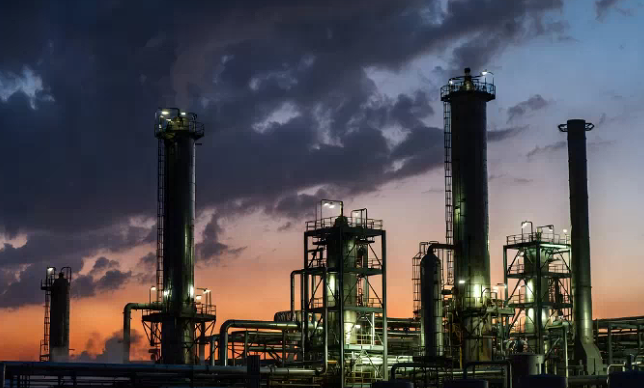 High temperatures significantly reduce the heat exchange efficiency of air-cooled and water-cooled equipment in refineries. As ambient temperatures approach process cooling temperatures, heat transfer failure occurs. Simultaneously, drought causes a sharp drop in river levels, resulting in insufficient cooling water and water temperatures that cannot meet cooling demands. Coupled with environmental regulations prohibiting the discharge of high-temperature wastewater, refineries are forced to proactively reduce production. Under these multiple negative factors, European refining margins have continued to rise this summer. On July 31, the crack spread between diesel and Brent crude oil on the Intercontinental Exchange exceeded $75 per barrel, approaching a 20-year historical peak. If extreme weather continues to worsen, the spread may still have room to rise further.
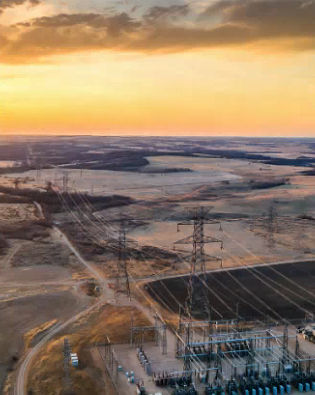 The power crisis continues to spread to Romania. Affected by a sharp decline in power production and insufficient cross-border transmission capacity, the Romanian government declared a national state of emergency on Monday (August 3). Local authorities used blasting to dredge waterways to ensure water supply for the Cernavoda nuclear power plant, but were still forced to shut down one of its main generating units. One-fifth of the country's power supply was disrupted, and many automotive companies were forced to suspend or reduce production. Meanwhile, Europe's hydroelectric resources are depleted across the board. Reservoirs in many Alpine countries have seen their water levels halved compared to the 15-year average, and snow reserves in Norway have fallen to a 20-year low, creating a 25 terawatt-hour power shortage. Energy companies in many countries are experiencing huge losses.
Extreme weather impacts refining systems, pushing diesel price spreads to a 20-year high.
For a long time, seasonal temperature fluctuations have only affected the heating and cooling loads of energy consumption in Europe. However, this year's extreme weather has broken this established pattern, directly constraining energy production efficiency from the supply side. A commodity analyst at Standard Chartered Bank stated that the persistent high temperatures and drought have created a double squeeze on supply and demand, both increasing regional energy consumption demand and significantly weakening the production capacity of refining companies. Most of Europe's mainstream refining facilities were built in the 1960s and 70s, with equipment designed for low-temperature, frigid environments, making them unsuitable for the current frequent extreme summer heat waves. High temperatures significantly reduce the heat exchange efficiency of air-cooled and water-cooled equipment in refineries. As ambient temperatures approach process cooling temperatures, heat transfer failure occurs. Simultaneously, drought causes a sharp drop in river levels, resulting in insufficient cooling water and water temperatures that cannot meet cooling demands. Coupled with environmental regulations prohibiting the discharge of high-temperature wastewater, refineries are forced to proactively reduce production. Under these multiple negative factors, European refining margins have continued to rise this summer. On July 31, the crack spread between diesel and Brent crude oil on the Intercontinental Exchange exceeded $75 per barrel, approaching a 20-year historical peak. If extreme weather continues to worsen, the spread may still have room to rise further.River and lake depletion severely impacts nuclear and hydroelectric power, plunging many countries into a power crisis.
Beyond the oil refining industry, the impact on Europe's power system is even more severe. Record low water levels in the Danube River have directly led to significant capacity reductions at nuclear power plants in many Central European countries. Hungary's core Paks nuclear power plant, which supplies half of the country's electricity, has seen its output plummet from 2,000 megawatts to 240 megawatts due to water constraints, with three of its four turbine units shut down. Hungarian Prime Minister Peter Magyar stated that if the Danube's water level continues to drop, this 44-year-old nuclear power plant will face its first-ever complete shutdown. The power crisis continues to spread to Romania. Affected by a sharp decline in power production and insufficient cross-border transmission capacity, the Romanian government declared a national state of emergency on Monday (August 3). Local authorities used blasting to dredge waterways to ensure water supply for the Cernavoda nuclear power plant, but were still forced to shut down one of its main generating units. One-fifth of the country's power supply was disrupted, and many automotive companies were forced to suspend or reduce production. Meanwhile, Europe's hydroelectric resources are depleted across the board. Reservoirs in many Alpine countries have seen their water levels halved compared to the 15-year average, and snow reserves in Norway have fallen to a 20-year low, creating a 25 terawatt-hour power shortage. Energy companies in many countries are experiencing huge losses.Inland waterway logistics disruptions put renewed pressure on the energy supply chain.
The drought and low water levels have further impacted logistics and transportation, significantly worsening navigation conditions on Europe's core inland waterways. Although the Rhine River's water level has not yet reached recent extremes, low water levels across the entire region have become the norm, forcing barges to reduce their cargo capacity and drastically increasing inland transportation costs for crude oil, refined petroleum products, and refining feedstocks. Even with some refining units maintaining normal production, logistical bottlenecks have led to a significant decrease in the efficiency of energy product distribution, further exacerbating the supply-demand mismatch. Overall , the disruption to crude oil supply caused by the Middle East situation already put pressure on the European energy market, and this summer's extreme heat and drought have created multiple secondary risks, impacting the energy supply chain across production, power generation, and transportation, plunging the European refined petroleum and electricity markets into a structurally strained situation from which the short-term supply-demand imbalance is unlikely to ease quickly.- Risk Warning and Disclaimer
- The market involves risk, and trading may not be suitable for all investors. This article is for reference only and does not constitute personal investment advice, nor does it take into account certain users’ specific investment objectives, financial situation, or other needs. Any investment decisions made based on this information are at your own risk.