Gold prices rebounded in the short term amid macroeconomic pressures.
2026-10-10 00:22:19
Despite a generally bearish macroeconomic environment and weak market risk sentiment, gold saw a significant recovery this week, with prices rebounding to around $4,200, marking its best weekly performance since early August 2026. Previously, a confluence of negative market factors, including a sharp rise in US Treasury yields and a continued strengthening of the US dollar, exerted dual pressure, pushing gold prices to a two-month low, putting significant downward pressure on short-term prices. However, as market sentiment gradually digested these negative factors, subsequent positive performance in the US 30-year Treasury auction effectively eased panic in the bond market. This, coupled with a slight decline in oil prices and reduced volatility in the commodity market, collectively boosted market sentiment for gold, leading to a steady recovery and rebound in prices.  Investment Demand: ETF Holdings Remain Strong Amid Gold Price Correction The most significant highlight of this gold rally is the remarkable resilience of gold investment demand. Despite a global bond market sell-off and increased volatility across asset classes, demand for gold allocation has not weakened. According to authoritative data from the World Gold Council, global gold ETFs saw a net inflow of 120 tons in August, followed by a net inflow of 67 tons in September. This two-month influx of funds has pushed total global gold ETF holdings to a record high of 4,256 tons. This counter-trend increase occurred against the backdrop of a short-term price correction, fully demonstrating institutional investors' recognition of gold's medium- to long-term investment value, unaffected by short-term price fluctuations and bond market adjustments. Market Logic Divergence: Investors Are No Longer Limited by Short-Term Interest Rate Costs From a traditional trading perspective, rising real yields significantly enhance the investment attractiveness of bonds, substantially increasing the opportunity cost of holding non-interest-bearing assets like gold. In such an environment, gold prices typically weaken under pressure. However, the current market exhibits a clear divergence, with gold continuing to see increased holdings despite persistently high yields. The core market logic has shifted. Market investors are no longer solely focused on the direct impact of short-term interest rate fluctuations, but are instead pricing in various macroeconomic risks stemming from long-term high borrowing costs. These long-term potential variables will ultimately form the core driving force supporting gold prices. Two potential favorable scenarios support the long-term investment enthusiasm for gold . The original text proposes two macroeconomic scenarios, though not highly probable, that are of great reference value and can reasonably explain the core behavior of current market funds continuously increasing their holdings of gold. First, high costs drag down the economy. Persistently high market borrowing costs will continue to suppress economic activity across society, gradually exposing the risks of highly leveraged sectors, ultimately leading to a slowdown in economic growth or even a recession. As downward pressure on the economy intensifies, safe-haven funds will actively flow back into the government bond market, pushing down real yields and forcing monetary policy to shift towards easing, thus providing strong support for gold prices. Second, high yields put pressure on public finances. If the economy remains resilient and does not experience a significant recession, persistently high yields will continue to increase the pressure on public finances in various countries. Currently, the government debt of many major economies has exceeded their annual GDP, and the cost of debt interest payments continues to rise, forcing policymakers to intervene to stabilize the bond market. If such intervention disrupts existing market rules and weakens market confidence in monetary discipline, gold's unique value storage attributes will become more prominent, and market demand for gold will further increase. Short-term Risks and Current Funding Characteristics The two aforementioned medium- to long-term favorable scenarios are not guaranteed to occur, and market uncertainty remains. In the short term, continued increases in real yields remain the main risk suppressing gold prices; conversely, declining yields will provide new upward support for gold prices. Overall funding behavior clearly indicates that current market investors have abandoned short-term speculative thinking and are no longer simply following interest rate fluctuations for short-term trading, but are instead proactively positioning themselves for potential medium- to long-term market changes brought about by high borrowing costs.
 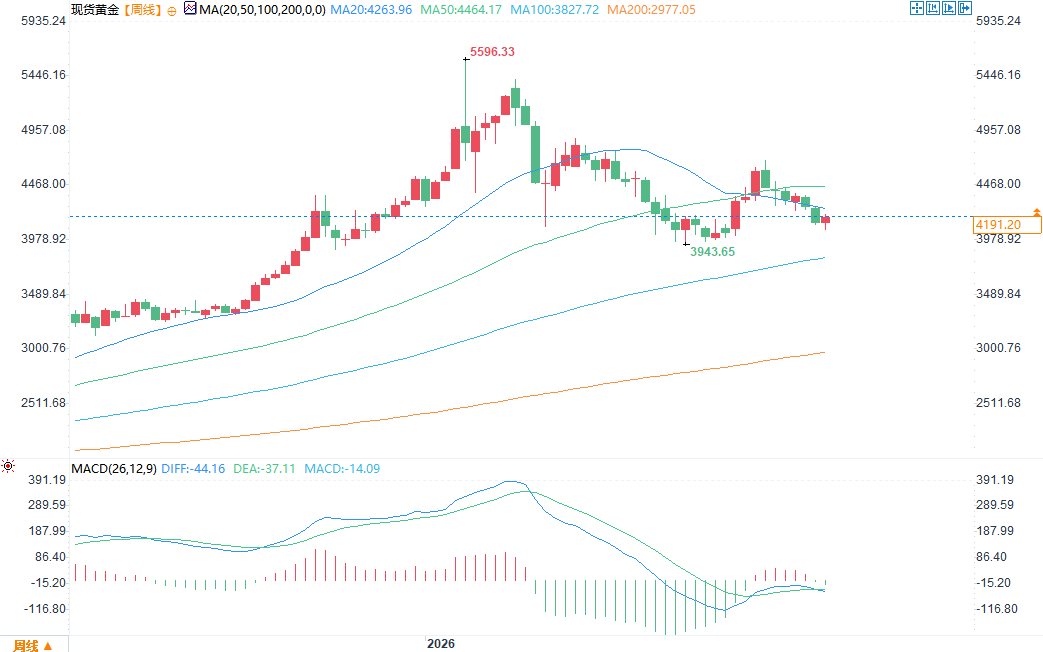 (Spot Gold Weekly Chart Source: FX678) Seasonal Physical Demand Provides Additional Support for Gold Prices With the end of the domestic Golden Week holiday and the full resumption of trading, the global gold market is entering its traditional peak season for physical demand. Meanwhile, India's concentrated holiday and wedding gold purchases in the fourth quarter have historically been a significant seasonal boost to the year-end gold market. Although current gold prices are relatively high, somewhat suppressing mass jewelry consumption demand, the strong rebound in investment buying can effectively offset the weakness in physical consumption, resisting downward pressure from short-selling funds and establishing a solid bottom support for gold prices.
Investment Demand: ETF Holdings Remain Strong Amid Gold Price Correction The most significant highlight of this gold rally is the remarkable resilience of gold investment demand. Despite a global bond market sell-off and increased volatility across asset classes, demand for gold allocation has not weakened. According to authoritative data from the World Gold Council, global gold ETFs saw a net inflow of 120 tons in August, followed by a net inflow of 67 tons in September. This two-month influx of funds has pushed total global gold ETF holdings to a record high of 4,256 tons. This counter-trend increase occurred against the backdrop of a short-term price correction, fully demonstrating institutional investors' recognition of gold's medium- to long-term investment value, unaffected by short-term price fluctuations and bond market adjustments. Market Logic Divergence: Investors Are No Longer Limited by Short-Term Interest Rate Costs From a traditional trading perspective, rising real yields significantly enhance the investment attractiveness of bonds, substantially increasing the opportunity cost of holding non-interest-bearing assets like gold. In such an environment, gold prices typically weaken under pressure. However, the current market exhibits a clear divergence, with gold continuing to see increased holdings despite persistently high yields. The core market logic has shifted. Market investors are no longer solely focused on the direct impact of short-term interest rate fluctuations, but are instead pricing in various macroeconomic risks stemming from long-term high borrowing costs. These long-term potential variables will ultimately form the core driving force supporting gold prices. Two potential favorable scenarios support the long-term investment enthusiasm for gold . The original text proposes two macroeconomic scenarios, though not highly probable, that are of great reference value and can reasonably explain the core behavior of current market funds continuously increasing their holdings of gold. First, high costs drag down the economy. Persistently high market borrowing costs will continue to suppress economic activity across society, gradually exposing the risks of highly leveraged sectors, ultimately leading to a slowdown in economic growth or even a recession. As downward pressure on the economy intensifies, safe-haven funds will actively flow back into the government bond market, pushing down real yields and forcing monetary policy to shift towards easing, thus providing strong support for gold prices. Second, high yields put pressure on public finances. If the economy remains resilient and does not experience a significant recession, persistently high yields will continue to increase the pressure on public finances in various countries. Currently, the government debt of many major economies has exceeded their annual GDP, and the cost of debt interest payments continues to rise, forcing policymakers to intervene to stabilize the bond market. If such intervention disrupts existing market rules and weakens market confidence in monetary discipline, gold's unique value storage attributes will become more prominent, and market demand for gold will further increase. Short-term Risks and Current Funding Characteristics The two aforementioned medium- to long-term favorable scenarios are not guaranteed to occur, and market uncertainty remains. In the short term, continued increases in real yields remain the main risk suppressing gold prices; conversely, declining yields will provide new upward support for gold prices. Overall funding behavior clearly indicates that current market investors have abandoned short-term speculative thinking and are no longer simply following interest rate fluctuations for short-term trading, but are instead proactively positioning themselves for potential medium- to long-term market changes brought about by high borrowing costs. (Spot Gold Weekly Chart Source: FX678) Seasonal Physical Demand Provides Additional Support for Gold Prices With the end of the domestic Golden Week holiday and the full resumption of trading, the global gold market is entering its traditional peak season for physical demand. Meanwhile, India's concentrated holiday and wedding gold purchases in the fourth quarter have historically been a significant seasonal boost to the year-end gold market. Although current gold prices are relatively high, somewhat suppressing mass jewelry consumption demand, the strong rebound in investment buying can effectively offset the weakness in physical consumption, resisting downward pressure from short-selling funds and establishing a solid bottom support for gold prices.
- Risk Warning and Disclaimer
- The market involves risk, and trading may not be suitable for all investors. This article is for reference only and does not constitute personal investment advice, nor does it take into account certain users’ specific investment objectives, financial situation, or other needs. Any investment decisions made based on this information are at your own risk.