Trump's diesel deal with Russia amounts to only 35.76 million barrels! Equivalent to 10 days of US demand; 12 senators jointly request its cancellation.
2026-10-14 10:24:20
The diesel supply agreement reached between US President Donald Trump and Russia has drawn widespread attention in the global energy market. Under the agreement, Russia will release a total of 4.8 million metric tons of diesel, equivalent to approximately 35.76 million barrels, to the US and global markets in installments. This amount is equivalent to only about 10 days of domestic diesel demand in the US, and is negligible compared to the global daily consumption of over 28 million barrels. Meanwhile, 12 US senators, including six Republicans, have jointly written a letter calling for the withdrawal of the agreement, arguing that it could provide additional funding for the Russian war machine without substantially alleviating the fuel pressure faced by US consumers. The agreement was announced at a time when the US midterm elections are approaching, and high diesel prices are putting significant pressure on inflation and transportation costs. Market analysts generally believe that the limited size of the agreement will result in a relatively mild short-term impact on prices. 
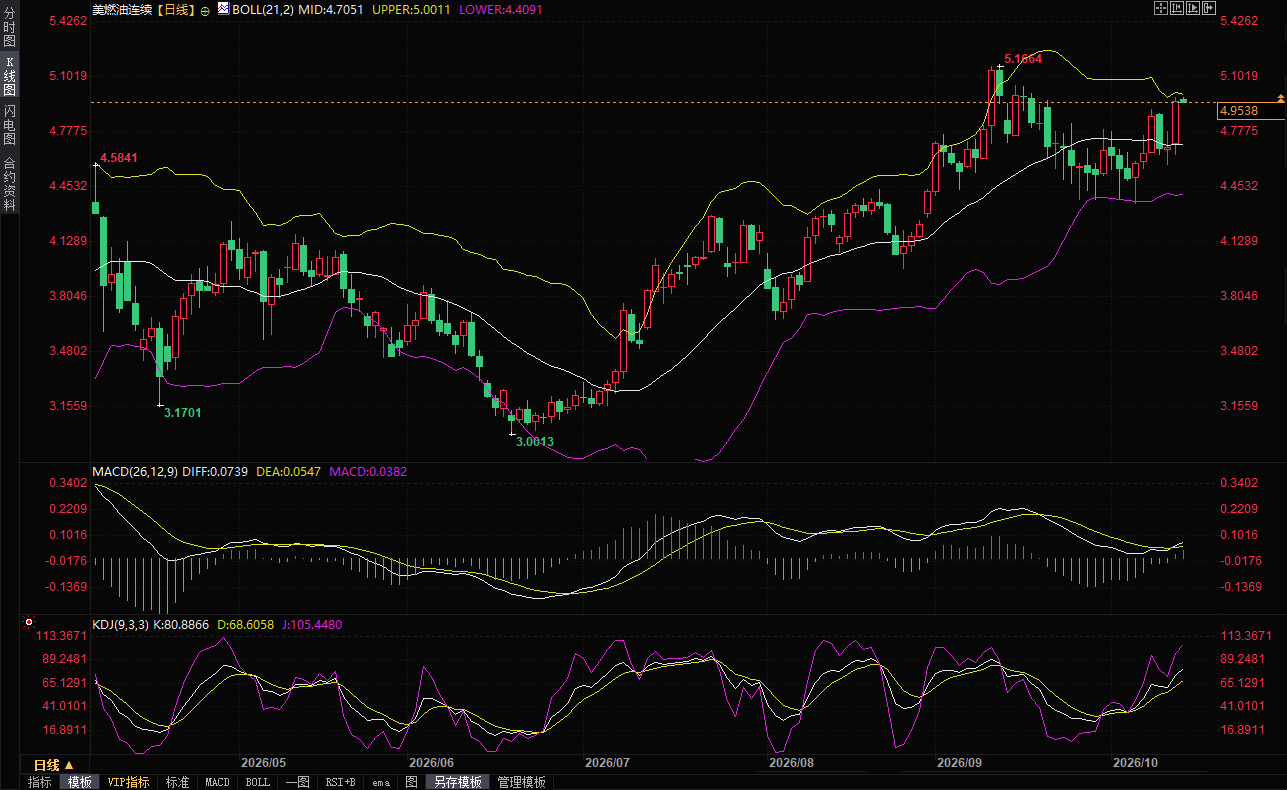 (US fuel oil futures daily chart, source: FX678)
Agreement size and market comparison
On Friday (October 9), local time, Trump announced on social media that Russia would immediately supply 300,000 tons of diesel, followed by another 500,000 tons in November, then another 1 million tons, with an additional 3 million tons depending on refinery conditions. According to S&P Global Platts conversion standards, one metric ton of diesel is approximately equal to 7.45 barrels, making the total equivalent to about 35.76 million barrels. The latest weekly data from the U.S. Energy Information Administration shows that as of the beginning of October, U.S. diesel demand was approximately 3.65 million barrels per day. Based on this, the agreed-upon total is equivalent to only about 10 days of U.S. domestic demand. The International Energy Agency (IEA) estimates that global daily diesel consumption exceeds 28 million barrels, meaning this supply represents far less than 1%. Neil Atkinson, former head of the IEA's Oil Industry and Markets division, pointed out that this amount is "virtually negligible—very, very small." Goldman Sachs analysts estimate that if the planned diesel releases in October and November proceed as scheduled, wholesale diesel prices in the U.S. Gulf Coast and Europe may only decrease by $1 to $2 per barrel. The market's immediate reaction to the agreement also confirmed this assessment: diesel futures fluctuated only slightly after the announcement, indicating that investors viewed it more as a policy signal than a real supply shock.Price pressures and supply background
The average retail price of diesel in the United States remains high. According to the latest data from the American Automobile Association, the national average diesel price is approximately $6.28 per gallon, up about 72% from the same period last year. The average price of regular gasoline is approximately $4.34 per gallon, also showing a significant year-on-year increase. As a key fuel for trucking and agricultural production, the rising cost of diesel often passes on to the overall economy, pushing up commodity prices. The root causes of the supply shortage are complex. Ukraine's continued attacks on Russian refineries have limited Russia's export capacity, and related facilities in the Middle East have also been disrupted, further tightening global fuel supplies. Goldman Sachs points out that the scale of Russian refinery shutdowns is about 3 million barrels per day higher than the same period last year, making it difficult to increase diesel production. Although the Kremlin has partially lifted the export ban to fulfill the agreement, the actual deliverable sources and transportation routes remain uncertain. The United States itself is a net exporter of diesel and does not rely on Russian supplies. The European Union continues to ban the import of Russian crude oil and refined products. Some analysts believe that Russian diesel may flow more into markets such as Brazil and Turkey, easing competitive pressure on US diesel in those markets, but its direct impact on end-user prices in the US is limited.Political Response and Policy Choices
Following the announcement of the agreement, criticism from Congress quickly intensified. Twelve members of Congress, including six Republican senators, jointly wrote to Trump, arguing that the agreement would provide the Putin government with more war funds while offering little real benefit to the American people, calling it "a gift to the enemy and a betrayal of allies," and demanding its revocation. The letter emphasized that allowing Moscow to freely sell diesel harms U.S. security interests and contradicts support for Ukraine. According to previously signed laws, the Trump administration must decide by October 18 whether to impose new comprehensive sanctions on Russian energy or grant exemptions based on national interest. Facing pressure from the midterm elections, Trump had previously considered options such as a diesel export ban but abandoned them due to the potential for higher gasoline prices. A recently signed executive order allows truck drivers to use tax-free off-highway diesel, but the tax obligation is only postponed, not eliminated. Analysts point out that a real easing of the situation requires restoring refining capacity, while the risks of Middle East restrictions and attacks on Russian facilities persist. Ukraine has warned that Kyiv will respond if Russia violates the relevant energy ceasefire arrangements.Editor's Summary
The diesel deal reached between Trump and Russia is equivalent to only about 10 days of US demand, far from enough to significantly alter the global or US market supply and demand landscape. Institutions like Goldman Sachs predict its direct impact on wholesale prices will be limited. Meanwhile, the agreement has sparked strong opposition from bipartisan senators, highlighting the tension between energy policy, sanctions enforcement, and diplomatic stances ahead of the midterm elections. The root cause of high diesel prices lies in the combined effects of damaged refining capacity and geopolitical conflicts; in the short term, policy signals are unlikely to replace actual supply recovery. The market will continue to monitor the progress of the agreement's implementation, the final decision on sanctions waivers, and the operational status of refining facilities to assess its true impact on inflation and transportation costs. (US fuel oil futures daily chart, source: FX678)Frequently Asked Questions
Q: What specific quantities are included in the diesel agreement between Trump and Russia? A: The agreement is phased in. Russia will immediately supply 300,000 tons, followed by another 500,000 tons in November, then an additional 1 million tons immediately, and a further 3 million tons depending on refinery conditions, totaling 4.8 million metric tons, equivalent to approximately 35.76 million barrels. According to S&P Global Platts standards, each metric ton is approximately 7.45 barrels. This total is equivalent to only about 10 days of daily US diesel demand, representing less than 1% of global daily consumption. Q: Why do analysts believe the agreement will have limited impact on lowering US diesel prices? A: US daily diesel demand is approximately 3.65 million barrels, and the total amount agreed upon represents only about 2%. The US is a net exporter of diesel and does not rely on Russian supplies. Goldman Sachs estimates that the October-November releases may only reduce wholesale prices in the Gulf Coast and Europe by $1-2 per barrel. The immediate market reaction has also been muted, indicating that investors see it more as a policy statement than a substantial impact. Real relief will depend on the recovery of refinery capacity. Q: What level are current US diesel prices at? Why are they so high? A: The latest data from the American Automobile Association shows that the national average diesel price is about $6.28 per gallon, up about 72% year-on-year; regular gasoline is about $4.34. The price surge is mainly due to Ukraine's attack on Russian oil refineries, which has restricted exports, and disruptions to Middle Eastern facilities have further tightened supply. Goldman Sachs points out that the scale of Russian oil refinery shutdowns is about 3 million barrels per day higher year-on-year, making it difficult to increase production. Q: Why did the senators jointly demand the withdrawal of the agreement? A: In a letter, 12 senators (including 6 Republicans) stated that the agreement would provide the Putin government with more war funds, harm US security interests, be a betrayal of Ukraine, and offer limited benefits to the American people. They called for the withdrawal of the agreement and a decision on whether to implement new sanctions as soon as possible, in accordance with previous laws. This move shows a loosening of support for related foreign policy within the Republican Party before the midterm elections. Q: What uncertainties remain in the implementation of the agreement? A: The Russian oil refineries were damaged in the attack, and the actual sources of delivery are still unclear; transportation routes and details of sanctions exemptions are still under observation. Ukraine has warned that it will respond if Russia violates the energy ceasefire. The Trump administration must decide on new sanctions or waivers by October 18. In the medium to long term, the risks of restrictions and further attacks in the Middle East remain high; restoring production capacity is key. At 10:22 Beijing time, US fuel oil futures were trading at $4.9455 per gallon.- Risk Warning and Disclaimer
- The market involves risk, and trading may not be suitable for all investors. This article is for reference only and does not constitute personal investment advice, nor does it take into account certain users’ specific investment objectives, financial situation, or other needs. Any investment decisions made based on this information are at your own risk.