France's economic woes spill over into the bond market, and the Middle East's impact extends to oil tankers: Monday's triple anxieties for global traders.
2026-10-19 20:50:20
On Monday (October 19), oil prices rallied and then retreated. Brent crude fell from a five-month high to around $108, as expectations of sanctions waivers for Russia increased. US Treasuries saw renewed safe-haven buying, with the 10-year yield declining slightly. Gold traded around $4,160, while silver continued its strong performance. Large-scale protests in France pushed up French bond yields, putting pressure on the euro. This week is packed with tech earnings reports, potentially increasing market volatility.
Since last Friday, three main trends have dominated global capital flows: recurring shipping risks in the Middle East, signs of easing in energy policy towards Russia, and escalating social unrest in France. For traders, the core questions are: Is the oil price pullback a trend reversal or just a temporary respite? Can the safe-haven status of US Treasuries and gold continue? How will Eurozone political risks be transmitted to the currency market? This article analyzes the latest information from four dimensions: energy, bonds, precious metals, and foreign exchange, and provides trend projections to help readers identify the main themes, sentiment, and risks in a volatile market.
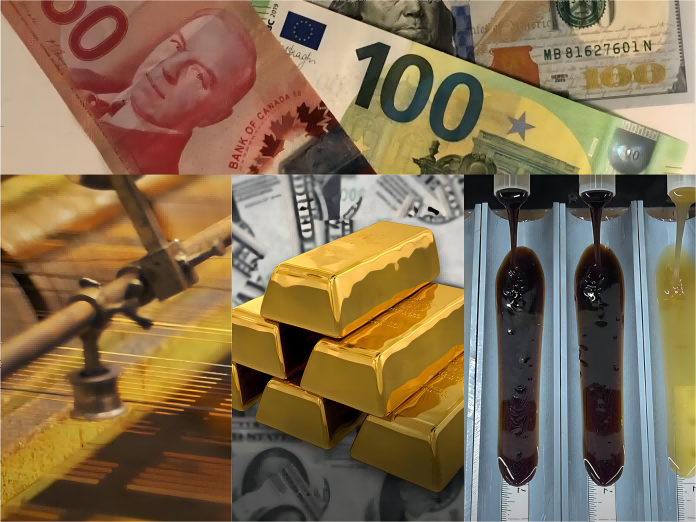
Oil prices retreat: Policy easing outweighs geopolitical premiums
Oil prices fell at the start of the week, with Brent crude dropping about 1.5% to around $108. The immediate cause was rising market expectations of increased Russian energy exports; the executive order suspending some related sanctions opened up room for speculation on the supply side. However, it's worth noting that major overseas institutions generally warn that the actual effects need to be assessed, and there are still obstacles at the congressional level. Meanwhile, reports of tanker attacks in the Strait of Hormuz have resurfaced, keeping freight and insurance costs high. This means that the geopolitical risk premium has not disappeared, and the short-term oil price movement is a profit-taking correction rather than a one-sided trend reversal. The structurally tight diesel market remains a significant inflationary pressure.
US Treasury bonds regain their safe-haven status
Falling oil prices and easing risk appetite pushed the 10-year US Treasury yield down to around 5.06%. This yield had fallen sharply last week, and the key this week is whether this trend will continue. If inflation expectations ease further due to looser energy prices, the safe-haven role of bonds will be strengthened. However, the situation in France is quite the opposite: following large-scale protests, the 10-year French bond yield approached 5%, hitting a multi-year high. Both are government bonds, but one is a safe-haven winner while the other is a source of risk; this divergence itself indicates that the market is repricing sovereign credit.
Precious metals: The logic remains unchanged
Gold is trading around $4160, while silver is performing stronger. Support comes from two sources: declining yields lowering the opportunity cost of holding gold, and demand driven by geopolitical uncertainty. Gold is currently pricing in multiple risks – the Middle East, France, and valuation anxieties that may be revealed this week's earnings season. If any of these factors materialize, the bottom support for precious metals will be relatively solid.
Foreign Exchange: Euro under pressure, Yen hovering in a narrow range
The turmoil in France directly pressured the euro, with the euro hovering around 1.12. The US dollar index fluctuated with a slight upward bias. The Japanese yen traded in the 157.7-158 range; verbal threats of official intervention limited its volatility, and traders should be wary of a potential sharp rise. Commodity currencies remained relatively strong, reflecting expectations that some economies would benefit from exports under the energy substitution logic.
Trend Outlook
In the short term, oil prices are likely to maintain a wide range of fluctuations: any new shipping disruptions in the Middle East could trigger a sudden surge, while progress in increasing supply to Russia would limit the rebound's height, resulting in high risks in both directions. If US Treasury yields continue to decline, it will support the strength of gold and silver, limiting the potential for a pullback in precious metals. For the euro, it remains to be seen whether the situation in France will further spread to other European countries. If the protests spread, the pressure on the euro will be transmitted from the exchange rate to the European debt market. In the medium term, this week's tech earnings reports will be the directional indicator for risk assets: if the earnings reports validate the returns on AI investments, risk appetite will recover, and safe-haven assets may temporarily take a backseat; if they fall short of expectations, funds may further flow into gold and government bonds. Overall, defensive allocations remain cost-effective in the current environment, but it is necessary to reserve position flexibility to cope with sudden changes in oil prices.
[Further Reading]
Q: Is it still possible to short oil after prices have fallen?
A: I don't recommend simply shorting. Geopolitical premiums remain, and the risk of supply disruptions could reignite at any time. A pullback is more likely to be profit-taking than a trend reversal.
Q: Does the unrest in France affect gold?
A: Yes. Rising political risks in Europe will strengthen the demand for gold as a safe-haven asset, which resonates with the logic of declining yields.
Q: Why is the volatility of the Japanese yen being suppressed?
A: The threat of intervention creates a hidden range, but once it is broken, the fluctuations may be very violent, and the risk of gapping should be noted.
Q: How do technology financial reports affect precious metals?
A: If poor financial reports trigger a stock market correction, funds often flow into gold and government bonds, which is beneficial to precious metals.
Q: Why is the diesel shortage important?
A: Diesel fuel directly affects transportation and agricultural costs, is a key variable in inflation expectations, and influences the central bank's policy path.
- Risk Warning and Disclaimer
- The market involves risk, and trading may not be suitable for all investors. This article is for reference only and does not constitute personal investment advice, nor does it take into account certain users’ specific investment objectives, financial situation, or other needs. Any investment decisions made based on this information are at your own risk.