In stark contrast to 2022, the policy limits for this round of European natural gas price increases are...
2026-10-26 21:44:24
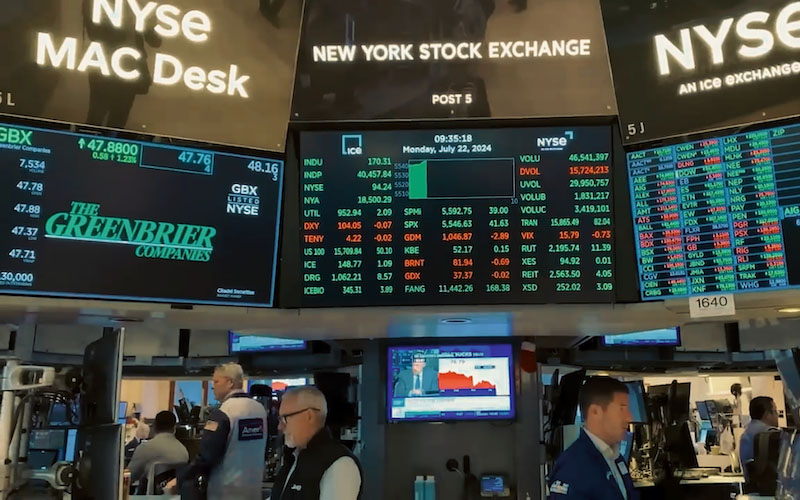
On Monday, October 26, the price of the European benchmark natural gas contract (TTF) rose to around €97 per megawatt-hour, a significant increase from the beginning of the year and approaching the high levels seen during the energy shortage period of 2022. Meanwhile, EU gas storage levels were only around 74.6%, significantly lower than the seasonal average of around 90%. At the same time, Brent crude oil prices retreated after hitting a six-month high. Supply disruptions in the Middle East coupled with low inventories constitute the core fundamental characteristics of the current energy market. 
Fundamental drivers of price increases
European natural gas prices have more than doubled this year, primarily due to the ongoing impact of the Middle East conflict on liquefied natural gas (LNG) transport through the Strait of Hormuz. Capacity utilization rates in major exporters like Qatar have declined, limiting Europe's import alternatives. Meanwhile, regional gas storage filling is lagging, reaching only about 74.6% by late October, and even lower in demand centers like Germany at around 61%, about 15 percentage points below the five-year average. International Energy Agency (IEA) chief Fatih Birol recently pointed out that European inventory levels at the start of winter are below historical averages, limiting their ability to withstand further supply shocks. While increased renewable energy capacity and decreased natural gas demand have partially buffered external shocks, the current inventory gap still makes prices highly sensitive to weather and supply changes. Compared to the 2022 peak of €345/MWh, current prices are still far off, but sufficient to put pressure on industrial electricity and heating costs.Limited Scale and Fiscal Constraints of Policy Response
A Brussels-based think tank estimates that European governments have committed approximately €12 billion in incremental measures to mitigate the impact of energy bills. This is significantly more restrained than the approximately €650 billion in consumer price caps and subsidies during the 2022 crisis. This difference reflects that the current market impact of supply disruptions has not yet reached a full-blown crisis level, while many countries face shrinking fiscal space and rising borrowing costs. French Finance Minister Roland Lescuhl explicitly stated that the government is "fiscally constrained" in addressing demands regarding the cost of living, including rising fuel prices, and mentioned the possibility of bringing forward the annual minimum wage increase by several months, while also considering subsidies for high-mileage drivers. At the EU level, the implementation timeline for methane emission regulations is being adjusted to reduce potential barriers to imports, and pressure is being faced from some quarters to reconsider the proposed comprehensive ban on Russian liquefied natural gas starting in January 2027 in order to ease the cost of living.Supply structure changes and winter scenario
Since the last crisis, Europe has expanded renewable energy capacity and suppressed natural gas consumption to reduce its vulnerability to external shocks. However, the reality of only about 75% gas storage capacity means that winter risks remain. Consulting firm EnergySide points out that if winter temperatures are below average and supply remains tight, benchmark prices could rise to over €200/MWh, significantly increasing the cost of industrial competitiveness, especially compared to the approximately €8/MWh level at Henry Hub in the US. Budget-constrained governments have limited willingness to reinstate large-scale price caps or subsidies. The EU still retains some policy leverage, including postponing the new methane rules and assessing the scope for adjustments to the ban on Russian liquefied natural gas. Market focus is on actual temperatures, the pace of liquefied natural gas deliveries, and the speed of inventory withdrawal, rather than simply price predictions.Frequently Asked Questions
Question 1: Why hasn't the current European natural gas price triggered large-scale fiscal intervention? Answer: Although prices have risen sharply to approximately €97/MWh, they are still far below the 2022 peak. The impact of supply disruptions is relatively manageable, and many countries face significant budget and borrowing cost constraints, limiting the policy scale to approximately €12 billion. Question 2: What does the low gas storage level mean for winter? Answer: The approximately 74.6% fill rate is about 15 percentage points lower than the seasonal average. If temperatures are low and supply remains tight, the risk of price volatility increases, and industrial cost pressures may intensify. Question 3: What are the specific considerations behind France's policy adjustments? Answer: Finance Minister Lescuel pointed out that a comprehensive response is difficult under fiscal constraints. Consideration is being given to raising the minimum wage ahead of schedule and subsidizing high-mileage drivers, while the EU retains room for adjustment in rules and import bans.- Risk Warning and Disclaimer
- The market involves risk, and trading may not be suitable for all investors. This article is for reference only and does not constitute personal investment advice, nor does it take into account certain users’ specific investment objectives, financial situation, or other needs. Any investment decisions made based on this information are at your own risk.