The Reserve Bank of Australia is poised for its fifth rate hike! The Australian dollar faces the risk of a "sell the fact," and a comprehensive analysis of the three divergent market paths.
2026-11-03 10:56:25
Amidst a backdrop of tightening monetary policy by major central banks globally and a mix of sticky inflation and growth pressures, the Reserve Bank of Australia (RBA) is about to hold a highly anticipated monetary policy decision. The market widely expects the RBA to raise the cash rate by 25 basis points to 4.85% on Tuesday (November 3rd), marking its fifth rate hike by 2026 and pushing interest rates to their highest level since the 2008 global financial crisis. This rate hike itself is largely unpriced in by the market; what truly determines the Australian dollar's trajectory and subsequent market sentiment is not the outcome of the decision, but rather the wording of the statement and the guidance given by Governor Michelle Bullock at the press conference. Economists are largely in agreement on the rate hike itself, but there is a significant divergence of opinion on whether this will be the last rate hike, resulting in three main lines of thought. 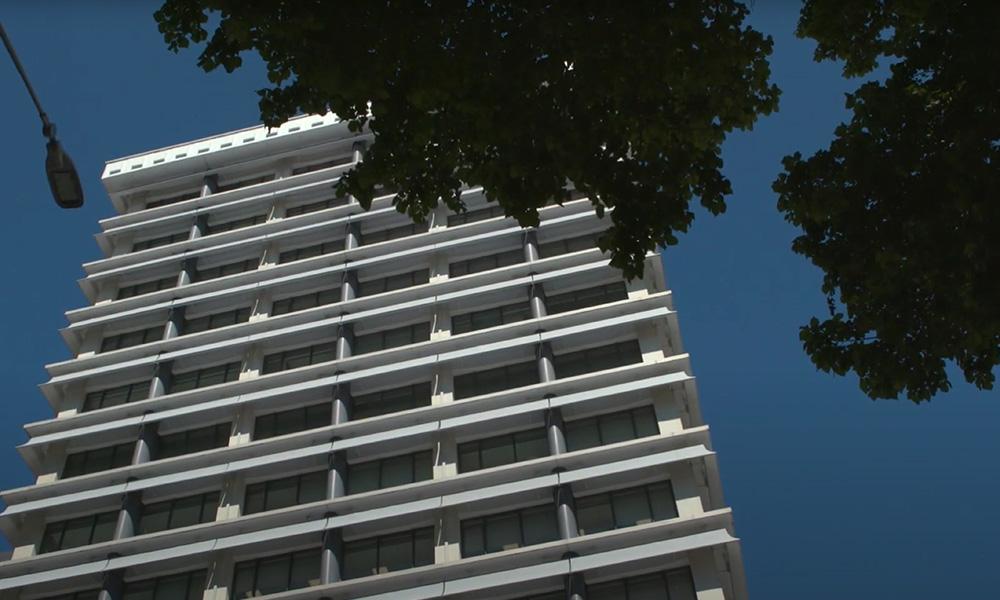
Resolution Expectations and Key Background: The Tug-of-War Between Higher-than-Expected Inflation and Continued Pressure on Housing Prices
The Reserve Bank of Australia (RBA) is widely expected to announce a 25 basis point increase in the cash rate to 4.85% from 4.60% at 12:30 PM Beijing time. Following the announcement, RBA Governor Michelle Bullock will hold a press conference to further clarify the policy stance. Since the September rate hike to 4.60%, hawkish statements from several senior RBA officials have continuously increased market expectations for further action. Meanwhile, core inflation data also signals a support for a rate hike: the adjusted mean inflation for the September quarter was 1.0%, significantly higher than the RBA's previous forecast of 0.8%, indicating that inflation stickiness has not yet fully subsided. However, the background factors are far from one-sided. House prices fell for the seventh consecutive month in October, indicating that the accumulated pressure from previous rate hikes on the housing market and borrowers is gradually emerging. If the statement acknowledges this pressure, the market is likely to interpret it as a signal that the RBA is nearing the peak of this rate hike cycle. The tug-of-war between higher-than-expected inflation and downward pressure on asset prices is the core tension in current policy decisions.Three mainstream market views: From "further tightening" to "holding rates steady after a rate hike"
HSBC's chief Australian economist, Paul Brooksham, has explicitly included a November rate hike in his baseline scenario, believing that the RBA needs to continue taking action to solidify its anti-inflation credibility given that inflation remains higher than expected. ANZ also anticipates a rate hike, further noting substantial risks: senior RBA officials are concerned that inflation expectations may be shifting, making a further rise in the cash rate to 5.10% in December or February a possibility that cannot be ignored. ANZ's assessment represents a more hawkish outlook, emphasizing that policy space is not closed. In contrast, AMP's chief economist, Shane Oliver, has shifted his stance. Oliver previously did not expect a November rate hike but has now adjusted to support it, arguing that maintaining the current rate could damage the central bank's credibility and further solidify higher inflation expectations. However, his view on the subsequent path is significantly more moderate, believing that a rate hike this month should be sufficient for the RBA to remain on hold for the time being, entering a period of observation. This shift itself reflects a significant difference in opinion regarding the "after-rate hike" even within the pro-rate-hike camp. The core disagreement among the three viewpoints essentially stems from differing assessments of inflation stickiness, the anchoring effect of expectations, and the speed at which pressures are transmitted to the housing market and borrowers. HSBC and ANZ place greater emphasis on the necessity of managing inflation risks and expectations, while AMP prioritizes the lagged effects of cumulative interest rate hikes and the diminishing marginal returns of policy credibility.Impact on the Australian dollar: Guidance is far more crucial than the interest rate hike itself.
With the rate hike expectation nearly fully priced in, the Australian dollar's reaction after the decision announcement is relatively limited. The interbank futures market has already priced in this rate hike as a high-probability event; therefore, the currency pair is far more sensitive to the tone of the statement and Governor Bullock's comments than to the rate decision itself. If the statement clearly signals the possibility of further tightening, consistent with the hawkish assessments of institutions like ANZ, it will support the Australian dollar and push up front-end yields. Conversely, if the wording is closer to AMP's "hold steady after the rate hike" stance, it may trigger a "sell the fact" pullback, limiting the Australian dollar's upside potential or even causing a reversal of gains. Currently, the Australian dollar is trading around US$0.70, facing multiple external drivers, including the overall risk sentiment set by the US midterm election results and tensions with Iran. The Federal Reserve itself is also on a rate hike path, so the interest rate differential's support for the Australian dollar is not as direct and significant as simply looking at the RBA rate hike itself. In this environment of overlapping internal and external factors, the RBA's policy guidance will be a key variable determining the direction of the Australian dollar in the short term.In summary: Guidance has become a core variable in exchange rates and market sentiment.
In summary, the market has largely reached a consensus on another RBA rate hike, but significant disagreements remain regarding the subsequent path. The rate hike itself has been fully priced in; what will truly determine the market reaction will be the policy intentions conveyed through the wording of the statement and the governor's guidance. The tension between higher-than-expected inflation and continued declines in house prices makes the RBA's communication strategy particularly important. Regardless of whether the final outcome leans towards further tightening or entering a period of observation, this decision could become a crucial juncture in Australia's monetary policy cycle in 2026. Investors and market participants should pay close attention to the statement's descriptions of inflation risks, economic pressures, and the policy outlook, rather than simply focusing on the interest rate figures themselves.Frequently Asked Questions
Q: Why does the market generally believe that the RBA will definitely raise interest rates this time? Is it solely due to inflation data? A: The high consensus in the market regarding this rate hike is not driven by a single factor, but rather by a combination of signals. First, the revised average inflation for the September quarter was 1.0%, significantly higher than the RBA's previous forecast of 0.8%, indicating that core inflation stickiness has not yet subsided. Second, since the September rate hike to 4.60%, several senior RBA officials have consistently released hawkish statements, clearly expressing concerns about a potential shift in inflation expectations. These statements have significantly increased market expectations for further action. Furthermore, maintaining the central bank's credibility is also a crucial consideration. If it chooses to hold rates steady while inflation remains above the target path, the market may interpret this as a sign of wavering resolve in combating inflation, thereby reinforcing even higher inflation expectations. Major institutions such as HSBC, ANZ, and AMP have all included a November rate hike in their benchmark or support scenarios, based on the above comprehensive assessment. It is important to emphasize that the rate hike itself is nearly fully priced in; the real uncertainty has shifted from "whether to raise rates" to "the path and communication methods after the rate hike." Q: What exactly is the core difference between the three mainstream viewpoints? Why is there such a large difference in opinion? A: The essence of the difference lies in the different assessments of the duration of inflation stickiness, the lagged effects of policy, and the necessity of expectation management. HSBC uses the November rate hike as a clear benchmark, implicitly focusing on policy continuity; ANZ is more hawkish, believing there is a substantial risk that the cash rate could rise further to 5.10% in December or February, arguing that senior officials' concerns about shifting inflation expectations have not yet dissipated. In contrast, AMP's position is more moderate: supporting this rate hike to maintain credibility, but believing that one rate hike is sufficient for the central bank to enter a period of observation and temporarily hold off. Behind this divergence is a different assessment of the speed of transmission of pressure to the housing market and borrowers. October saw the seventh consecutive month of decline in house prices, indicating that the cumulative effect of previous rate hikes is emerging. Hawkish views emphasize that inflation risks have not yet been eliminated, while dovish views focus more on the lagged impact of policy on the real economy. It is this different prioritization of "risks" that leads to the significant difference in judgments about the subsequent path. Q: Why is it said that the interest rate hike is largely priced in, and its impact on the Australian dollar depends more on the guidance? A: In the interest rate futures market, the probability of this 25 basis point rate hike has been priced in at a very high level, meaning that the announcement of the decision itself is unlikely to bring a significant "surprise shock." Once the event is fully anticipated, the market's reaction logic shifts from "confirmation of the outcome" to "incremental information beyond the outcome." The wording of the statement, the description of inflation and economic pressures, and Governor Michelle Bullock's remarks at the press conference will become the real pricing variables. If the guidance clearly signals that further tightening is still possible, consistent with the judgments of institutions such as ANZ, it will support the Australian dollar and push up front-end yields; if it is closer to the AMP's "hold on after the rate hike" stance, it may trigger a "sell the fact" pullback, limiting or even erasing the gains accumulated due to the expected rate hike. Furthermore, the Australian dollar is currently also affected by external risk sentiment such as the US midterm elections and tensions with Iran, so the supporting effect of interest rate differentials is not as direct as simply looking at the RBA rate hike itself. Therefore, the guidance is far more important than the rate hike figure itself. Q: What does the continuous decline in house prices mean for the RBA's decision? Q: Will this become a reason to pause interest rate hikes? A: The seventh consecutive month of decline in house prices in October is one of the most important constraints in the current policy context. It indicates that the pressure from previous rounds of interest rate hikes on the housing market and borrowers is gradually being transmitted, and the cumulative effect is beginning to appear. If the RBA explicitly acknowledges this pressure in its statement, the market is likely to interpret it as a signal that the central bank is nearing the top of this interest rate hike cycle, thereby reinforcing expectations of a "wait-and-see period after rate hikes." However, falling house prices themselves do not necessarily constitute a sufficient reason to pause interest rate hikes. The RBA's primary goal remains to bring inflation back to the target range and prevent inflation expectations from derailing. When core inflation remains higher than previously predicted and officials express concern about changing expectations, house price pressures are seen more as a risk that needs to be weighed than a direct signal of a policy brake. Ultimately, how to balance inflation risks and economic pressures will depend on the wording of the statement. If more emphasis is placed on inflation stickiness and expectation management, the weight of house price pressures will be relatively downplayed; if more emphasis is placed on cumulative effects and borrower difficulties, it may be interpreted as an indication of approaching the top of the cycle. Q: How will external factors such as the US midterm elections and tensions with Iran affect the Australian dollar's performance after this decision? A: The Australian dollar is currently trading around US$0.70. Its movement depends not only on the RBA policy itself but also significantly on global risk sentiment. The US midterm election results will directly shape market expectations for the prospects of US fiscal and monetary policy, thus affecting the US dollar's performance and overall risk appetite. Tensions with Iran could push up oil prices and risk aversion, creating a complex impact on commodity currencies: on the one hand, rising energy prices may support the Australian dollar's status as a resource currency; on the other hand, rising geopolitical risks typically suppress risk assets, dragging down the Australian dollar. The Federal Reserve itself is also on a rate hike path, so changes in the Australia-US interest rate differential are not as directly beneficial as simply looking at RBA rate hikes. In this environment of overlapping internal and external factors, the Australian dollar's reaction after the RBA decision will exhibit the characteristic of "policy guidance dominating short-term direction, and external risk sentiment determining the magnitude." If the statement is hawkish and global risk appetite is stable, the Australian dollar is expected to receive support; if the guidance is dovish or external risk sentiment deteriorates sharply, a "sell the fact" pullback may occur. Investors need to observe RBA communication in conjunction with global macroeconomic events, rather than viewing Australia's interest rate decision in isolation. At 10:53 Beijing time, the Australian dollar was trading at 0.6998/6999 against the US dollar.- Risk Warning and Disclaimer
- The market involves risk, and trading may not be suitable for all investors. This article is for reference only and does not constitute personal investment advice, nor does it take into account certain users’ specific investment objectives, financial situation, or other needs. Any investment decisions made based on this information are at your own risk.