Inflation backfires on the ruling camp; midterm elections reshape the landscape of the US Congress.
2026-11-05 10:14:29
Two years ago, Trump won the general election by focusing on inflation and livelihood issues. In this midterm election, the persistently high cost of living and the energy shock caused by the Middle East conflict prompted voters to express their dissatisfaction with their votes, and the Democratic Party won control of both the House and Senate.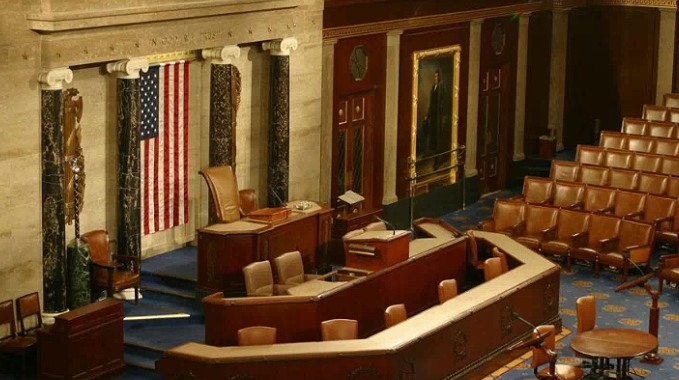
The heavy burden on people's livelihoods becomes the core logic of voting.
In this midterm election, the cost of living was the primary factor influencing voters' choices. Voter polls showed that nearly 90% of respondents considered the cost of living a key factor in their voting decisions, with economic issues ranking higher than issues such as democracy and immigration . Less than 20% of voters believed their family finances had improved compared to two years ago, and approximately two-thirds believed that Trump's policies exacerbated the domestic economic crisis. Mark Zandi, chief economist at Moody's Analytics, stated that most Americans have long suffered from high inflation, and discontent has reached a tipping point.Middle East conflict fuels energy and inflationary pressures
The conflict with Iran is not only unpopular with the public, but it has also further fueled inflation, amplifying economic pressure on the public. Patrick DeHaan, head of oil analysis at GasBuddy, a fuel tracking platform, said that oil prices hit multi-year highs on Election Day, directly igniting negative sentiment among the public. Since the outbreak of the conflict, ordinary American families have faced significant additional expenses on energy, borrowing costs, and related defense spending. The surge in diesel prices has spread through the supply chain, driving up prices of various goods. Data from the U.S. Bureau of Labor Statistics shows that the Consumer Price Index has rebounded, with price increases continuing to outpace wage growth, leading to a continued decline in purchasing power. Francesco D. Acunto, a researcher in behavioral economics at Georgetown University, believes that inflation has pushed voters to their breaking point, and that people will choose to vote against the current governing team.Tariff and immigration policies continue to erode public opinion.
Trump's large-scale tariff policy, intended to support domestic manufacturing, has instead triggered market turmoil and driven up commodity prices. Research from the New York Federal Reserve indicates that many consumer goods prices could have fallen without the tariffs. Polls show that 64% of voters believe the tariffs have harmed the local economy. Meanwhile, the large-scale deportation policy has also sparked widespread controversy, with protests erupting in many cities. Traffic and consumer spending in these cities have declined significantly, with most voters disapproving of the immigration enforcement agencies' handling of the situation. Although tax cuts and child savings accounts have garnered some positive feedback, they have been insufficient to offset the negative impact of rising prices.Conclusion
In just two years, voters' perceptions of the two parties' ability to govern the economy have reversed, with the Democrats winning control of Congress and creating a system of checks and balances. However, polls also show that 70% of the public believes the American economic system favors the wealthy, posing a significant challenge to the Democrats as well. Mark Zandi cautions that with another election approaching in two years, policymakers need to address the public's economic demands.- Risk Warning and Disclaimer
- The market involves risk, and trading may not be suitable for all investors. This article is for reference only and does not constitute personal investment advice, nor does it take into account certain users’ specific investment objectives, financial situation, or other needs. Any investment decisions made based on this information are at your own risk.