Spot gold consolidated below $3,600, with expectations of a Fed rate hike suppressing any rebound in gold prices.
2026-11-26 14:32:32
On Thursday (November 26) during Asian trading hours, spot gold fluctuated below the $3,600 per ounce level, failing to continue the strong rebound that began from the 15-month low in the previous trading session. Hawkish signals from US inflation and economic data, coupled with renewed buying interest in the US dollar, jointly suppressed gold prices. Although a V-shaped recovery was completed on Wednesday, bullish sentiment remained cautious, lacking sustained follow-through buying; a single low-level rebound was insufficient to reverse the overall weak trend. 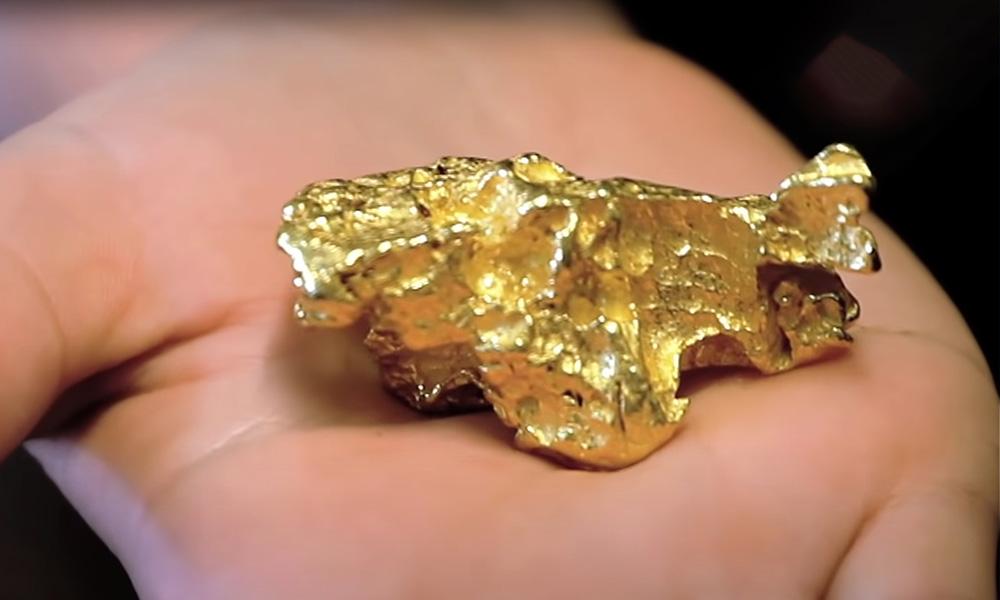
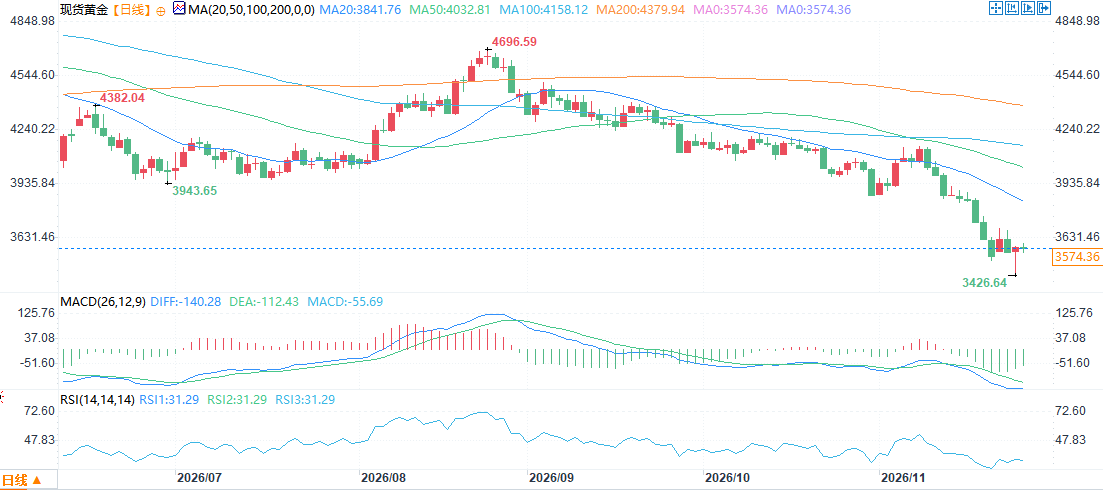 (Spot gold daily chart, source: EasyTrade) At 14:29 Beijing time, spot gold was trading at $3573.69 per ounce.
Strong US data reinforces expectations of further interest rate hikes by the Federal Reserve.
The latest PCE price index released by the U.S. Department of Commerce for October showed that the overall PCE rose 0.3% month-on-month and 3.8% year-on-year; the core PCE recorded 3.3% year-on-year, both higher than market expectations. Meanwhile, the second revision of Q3 GDP annualized growth was revised upward to 4.3%, significantly higher than the initial value of 3.4% and also significantly higher than Q2's 2.2%. The simultaneous emergence of sticky inflation and resilient economic growth further solidified market expectations that the Federal Reserve would continue to raise interest rates in December. After the data release, traders quickly adjusted their pricing of interest rate paths. The CME FedWatch tool shows that, even after fully incorporating a 25 basis point rate hike in December, the market is still betting on two additional rate hikes in early 2027. This expectation of "higher and longer" interest rates directly boosted dollar buying, putting continuous pressure on gold, a non-interest-bearing asset. Investors are still assessing how much tightening is needed to truly bring inflation back to the 2% target. Before a clear shift in policy path, gold is unlikely to receive sustained capital inflows; any subsequent data falling short of expectations may only temporarily alleviate the pressure.The renewed escalation of geopolitical conflicts in the Middle East is a boon for the US dollar rather than gold.
The renewed escalation of tensions in the Middle East has become a significant external variable influencing gold prices. The Houthi rebels claimed responsibility for attacks on the King Abdullah financial district in Riyadh, Saudi Arabia, and oil refining facilities in the east. The Saudi-led coalition swiftly responded with strikes against Houthi targets in the port of Hodeidah, and attacks were also reported in Sana'a, the capital of Yemen. This significant increase in geopolitical tensions should theoretically trigger traditional safe-haven buying of gold. However, in reality, safe-haven funds have flowed back into the US dollar. After a pullback from its 20-month high, the dollar found support from bargain hunters, and its safe-haven appeal has actually strengthened its relative advantage. The logic of gold as a traditional safe-haven asset is temporarily ineffective in the current environment—geopolitical risks have not directly translated into gold price increases, but rather indirectly exerted downward pressure on gold by pushing up the dollar. If the conflict escalates further and substantially disrupts energy supplies, the demand for the dollar as a safe-haven asset may continue to dominate; only if the conflict truly triggers systemic global risk and the dollar itself comes under pressure will gold likely regain favor among safe-haven funds.Thanksgiving will see low liquidity; be wary of distorted signals.
With the US Thanksgiving holiday approaching, overall market trading activity has significantly decreased, with trading volume shrinking noticeably during the European and American sessions and even more subdued during the Asian session. Low liquidity can amplify short-term price fluctuations, leading to temporary divergences between technical signals and fundamental logic. Investors need to be particularly wary of "false breakouts" or "false rebounds." Although gold completed a V-shaped recovery from near its 15-month low on Wednesday, follow-through buying was clearly insufficient, limiting the rebound's height and making it difficult to reverse the overall weak trend. Both technical and fundamental factors suggest that a stronger, sustained buying signal is needed to confirm whether gold has truly formed a short-term bottom. In a liquidity-scarce environment, blindly betting on a trend-driven rebound carries high risk. A more prudent approach is to control position size, shorten holding periods, prioritize observing whether key support levels hold and whether trading volume supports the move, and then reassess the direction based on new data and fund flows after the holiday when liquidity recovers. (Spot gold daily chart, source: EasyTrade) At 14:29 Beijing time, spot gold was trading at $3573.69 per ounce.
- Risk Warning and Disclaimer
- The market involves risk, and trading may not be suitable for all investors. This article is for reference only and does not constitute personal investment advice, nor does it take into account certain users’ specific investment objectives, financial situation, or other needs. Any investment decisions made based on this information are at your own risk.