Prioritizing short-term debt and seeking long-term improvement: Japan's bond issuance plans have shifted, and the key variables behind the yen exchange rate are...
2026-11-26 17:14:34
On Thursday (November 26), a senior official from Japan's Ministry of Finance stated at a meeting with primary dealers that the supply and demand situation in the ultra-long-term Japanese government bond market has improved, while demand for shorter-term bonds is likely to remain strong. When formulating the next fiscal year's bond issuance plan, the issuance size, market liquidity, and related costs will be assessed; if routine bond issuance increases, short-term bonds will be the best candidate for expanding issuance. This statement comes at a time of recent weak ultra-long-term bond auctions and heightened discussions on the next fiscal year's budget and bond issuance plans. It directly relates to the shape of Japan's yield curve, domestic and international interest rate differentials, and capital flows, and is an important fundamental clue for forex traders to observe the medium-term trend of the yen.
The core content and background of the Ministry of Finance's statement
A senior official from Japan's Ministry of Finance, speaking at a meeting with primary dealers, signaled a clear shift in the supply-demand relationship for ultra-long-term government bonds (typically 20, 30, and 40 years), indicating improvement, while demand for shorter-term bonds is expected to remain strong. When deciding on the next fiscal year's bond issuance plan, the government will comprehensively assess the issuance size, market liquidity, and financing costs. If overall routine bond issuance needs to increase, shorter-term bonds are considered a priority for expanding issuance. This statement is not isolated. Recent auctions of Japanese ultra-long-term government bonds have been weak: the bid-to-cover ratio for 20-year bonds fell significantly on November 18th, and the bid-to-cover ratio for 40-year bonds also dropped to a low level on November 25th, testing the market's willingness to absorb ultra-long-term bonds. Meanwhile, the Sanae Takaichi government is promoting a "responsible and proactive fiscal policy," making the budget and bond issuance size for the next fiscal year a market focus. The market is generally concerned about whether new issuance will increase significantly, and in which maturities the increase will be concentrated. The Ministry of Finance's proactive communication with primary dealers and its signal of "improved supply and demand for ultra-long-term bonds and priority for short-term bond issuance" are intended to stabilize market expectations, guide the pace of issuance, and prevent excessive fluctuations in long-term yields.Impact on the yield curve and domestic funding in Japan
From the perspective of foreign exchange traders, changes in the Japanese government bond market, particularly its term structure, directly impact the yen through the yield curve. Improved supply and demand at the ultra-long end suggests easing market concerns about rising long-term interest rates, helping to curb further steepening of ultra-long-term yields. If short-term bonds become the main driver of issuance, they could increase supply at the short end, thus affecting short- and medium-term interest rates and interacting with the Bank of Japan's monetary policy. Domestic institutional investors in Japan (especially life insurance companies and pension funds) are significant buyers of ultra-long-term government bonds. Improved supply and demand conditions are conducive to increasing these institutions' willingness to allocate, reducing sell-offs or wait-and-see attitudes triggered by weak auctions. Strong demand for short-term bonds reflects the market's continued preference for liquidity and reinvestment. Overall, the Ministry of Finance's tendency to "use short-term bonds to offset long-term bonds" or prioritize increasing short-term bond supply helps meet fiscal financing needs while controlling long-term interest rate volatility, reducing market shocks caused by an excessively steep yield curve. This adjustment will also influence Japanese investors' overseas asset allocation decisions. When the supply of domestic bonds, especially short- and medium-term bonds, increases and yields become more attractive, the incentive for some funds to flow back to the domestic market may strengthen. Conversely, if long-term interest rates stabilize due to improved supply and demand, the relative attractiveness of overseas high-yield assets will be reassessed. These changes in capital flows will ultimately be reflected in the yen exchange rate through the spot and forward foreign exchange markets.The Japanese Yen Logic Most Concerning Forex Traders
For the foreign exchange market, changes in the supply and demand of Japanese government bonds and their issuance plans primarily affect the yen through interest rate paths and interest rate differential expectations. The USD/JPY interest rate differential remains a significant driver of the USD/JPY exchange rate. An increase in the supply of short-term Japanese bonds could provide some support for short-term interest rates or alter market expectations regarding the Bank of Japan's policy pace; improved supply and demand in the ultra-long term would help stabilize long-term interest rates and reduce the risk premium caused by fiscal concerns. The combination of these factors will influence market pricing of Japan's overall yield curve and the future path of policy normalization. Furthermore, adjustments to the bond issuance structure are also related to market confidence in Japan's fiscal sustainability. If the government can effectively control financing costs and market shocks through maturity management, it will help reduce the potential downward pressure on the yen from the "fiscal risk premium." Recently, the yen has repeatedly tested key psychological levels, and the government has repeatedly emphasized its concern about excessive exchange rate volatility. A stable bond market is itself an important foundation for supporting the yen's medium-term prospects. It is important to note that the bond issuance plan ultimately depends on the budget size for the next fiscal year, economic growth and inflation trends, and the actual path of the Bank of Japan's monetary policy. The Ministry of Finance's recent statement is more of a signal of flexible response than a confirmation of specific figures. The market will continue to focus on budget discussions around December, subsequent communication with investors, and the verification of the actual auction results.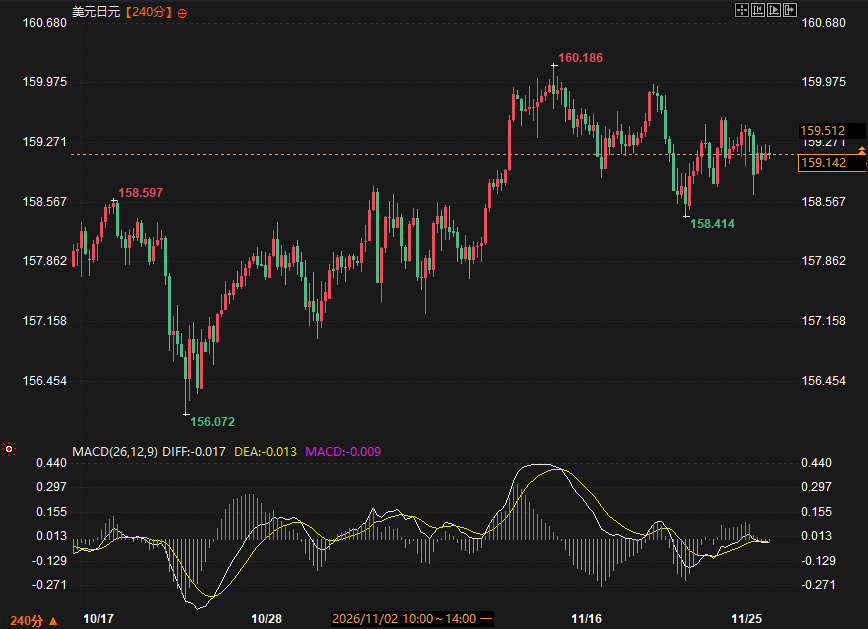
Follow-up clues that traders can pay attention to
For forex traders, key areas to watch include: the specific framework of the next fiscal year's government bond issuance plan, changes in the actual ratio of short-term to ultra-long-term bonds, whether ultra-long-term auctions continue to improve, and how these changes affect the performance of Japanese 10-year and ultra-long-term yields relative to US Treasuries. Meanwhile, the allocation trends of Japanese domestic institutional investors, changes in hedging ratios, and the impact of global risk appetite on the safe-haven currency, the yen, will all corroborate signals from the bond market. The information released by the Japanese Ministry of Finance at this meeting essentially seeks a balance between supply and demand pressures and fiscal needs. The combination of improved ultra-long-term supply and demand and the priority expansion of short-term bond issuance provides more flexibility for yield curve management. For forex traders, this is not a short-term trading signal, but a crucial piece of the puzzle in understanding the medium-term fundamental logic of the yen—how the bond market operates will ultimately be transmitted to the exchange rate through interest rates, capital flows, and market confidence. Subsequent actual issuance plans and auction results will be key observation points for verifying this logic.- Risk Warning and Disclaimer
- The market involves risk, and trading may not be suitable for all investors. This article is for reference only and does not constitute personal investment advice, nor does it take into account certain users’ specific investment objectives, financial situation, or other needs. Any investment decisions made based on this information are at your own risk.