The euro welcomes a new leader, but the road ahead for Decos is fraught with challenges.
2026-11-27 18:08:34
The Eurozone has finalized its choice for the next president of the European Central Bank (ECB): Pablo Hernández de Cos from Spain will succeed Christine Lagarde as ECB president in February. This nomination still requires the endorsement of the European Parliament and the ECB Governing Council, with EU leaders expected to give final confirmation in December. As the first Spanish president in the ECB's history, this seasoned technocrat is highly anticipated by Eurozone countries, who hope he can lead the Eurozone out of its predicament of intertwined debt pressures, weak growth, and market volatility. 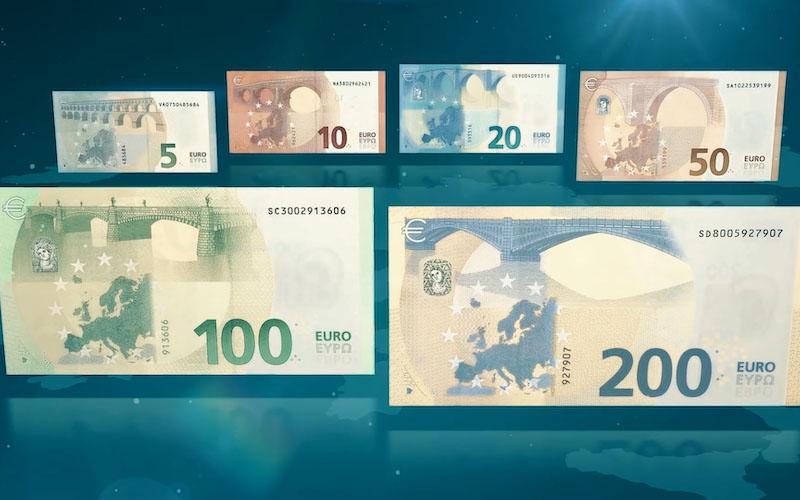
New Governor: A seasoned, technocratic central bank official
The 55-year-old Decos is a seasoned economist with deep roots in the central bank system. He started at the Bank of Spain, rising through the ranks to become its governor, while also serving as head of the Bank for International Settlements. Former colleagues describe him as introverted, with broad professional expertise, possessing solid knowledge in fiscal policy, stablecoins, and privatization reforms. In monetary policy discussions, he excels at communication and coordination, and can offer highly influential viewpoints.The primary challenges: French debt and election disruptions
The market's biggest concern is how he will address French debt risks after taking office, which is also the biggest variable for short-term euro assets. French government bonds have seen significant volatility recently, with market concerns stemming from rising debt and domestic political gridlock. Decos's inauguration comes just two months before the French presidential election. Both leading candidates are critical of the ECB, urging it to intervene and lower French financing costs. Decos's policy stance is distinctly two-sided: he has supported the ECB's quantitative easing tools to provide a buffer for highly indebted member states; however, he has also repeatedly emphasized the importance of maintaining fiscal discipline. Analysts believe that in extreme crisis scenarios, the market will expect him to use tools to stabilize the market, but this does not mean he will unconditionally bail out French debt. Investors should not blindly increase their holdings of French risky assets.Behind the Election: The Power Balance in the Eurozone
This presidential election was itself a political balancing act within the Eurozone. De Cos defeated his only competitor, the Dutch candidate Knott, who was considered conservative by the market. Following the unwritten agreement in the Eurozone regarding seat allocation, the two largest economies, Germany and France, no longer competed for the presidency, instead taking the remaining seats on the ECB's Executive Board: German scholar Brennermeier will become chief economist, and France's Laurence Boone will head market operations. This arrangement aims to balance the demands of the 21 Eurozone economies and also indicates that the ECB's future monetary policy will continue to seek a balance between the different demands of Northern and Southern Europe.Implications for the Euro: Uncertainty Has Not Dissipated
French debt concerns, a slowing Eurozone economy, and equity market volatility are just some of the challenges he will face upon taking office. For the euro exchange rate and Eurozone bonds, policy choices and the conflict between fiscal and monetary policies will remain the core drivers of future market movements.- Risk Warning and Disclaimer
- The market involves risk, and trading may not be suitable for all investors. This article is for reference only and does not constitute personal investment advice, nor does it take into account certain users’ specific investment objectives, financial situation, or other needs. Any investment decisions made based on this information are at your own risk.