Oil prices deliver a fatal blow! A senior Russian official says the US is caught in a two-front war, and the Russia-Ukraine peace talks are likely to be derailed.
2026-03-04 10:55:12
The situation in the Middle East has deteriorated sharply, with the United States and Israel launching a large-scale military strike against Iran. Iran retaliated fiercely, and the conflict has spread to several Gulf states and threatened shipping safety in the Strait of Hormuz. This round of confrontation is far more intense than previous ones, becoming the most serious direct military standoff in the Middle East in recent years.
The escalation of the Middle East conflict has not only caused regional instability, but has also been directly transmitted to global financial markets through the energy supply chain, becoming a key variable affecting investors' decisions.

Rodion Miloshnnik, Russia's Ambassador-at-Large for Crimes Against the Kyiv Regime, recently stated that the escalation of the conflict in the Middle East has created an extremely unfavorable external environment for reaching a peace agreement in Ukraine. He pointed out that the United States, as the main mediator, is also deeply involved in the Middle East crisis, which will severely divert its diplomatic resources and political energy.
Miroshnik emphasized, "The same group of people were involved in organizing the negotiation process." This assessment directly addresses the issue of the overlapping roles of the United States in two major geopolitical crises, highlighting the direct constraint of resource allocation difficulties on the peace process.
Currently, the United States needs to allocate limited diplomatic, military, and intelligence resources between military operations in the Middle East and peace negotiations in Ukraine. The recent US-Israeli strikes against Iran have already depleted significant logistical supplies, while Ukraine continues to rely on US-supplied weapons systems. This "two-front war" model directly reduces the efficiency of US coordination in the Ukraine negotiations.
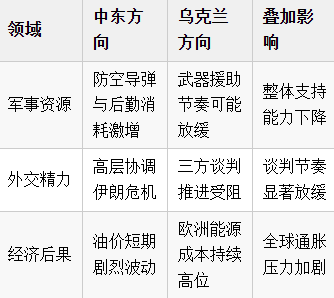
The most direct economic consequences of the Middle East conflict are reflected in energy prices. Affected by the risk of shipping disruptions in the Strait of Hormuz, US crude oil prices fluctuated upwards on Wednesday, currently trading around $75.00 per barrel, a daily increase of about 0.6%, far exceeding pre-conflict levels. This trend has triggered a repricing of global energy-related assets.
If the disruption to cross-strait shipping continues for an extended period, the global daily oil supply could face a shortfall of millions of barrels, directly pushing up manufacturing costs and consumer price indices.
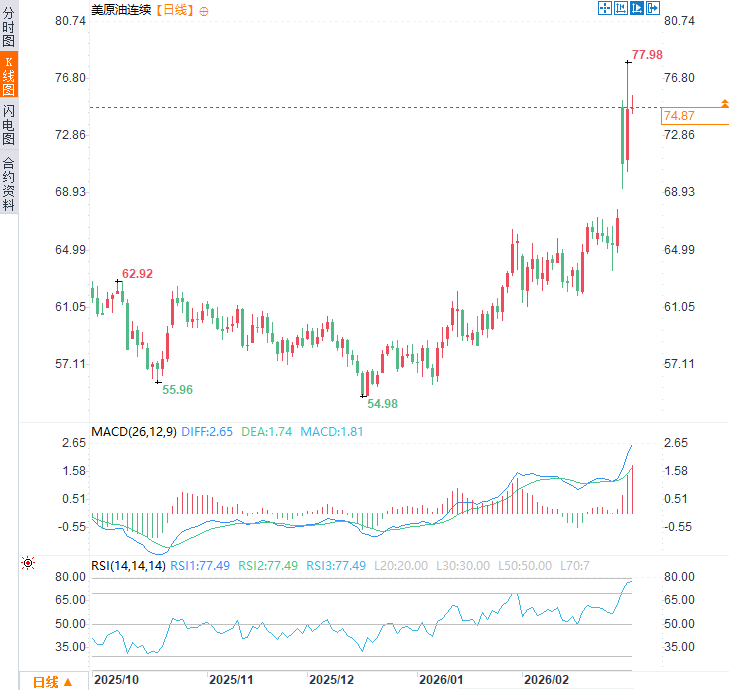
(US crude oil daily chart, source: FX678)
As the Middle East conflict continues, the United States has been forced to reduce its focus on the Ukraine issue, and the ongoing trilateral negotiations between Russia, the United States, and Ukraine face new uncertainties. Core disagreements, such as territorial arrangements and security guarantees, were already complex, and the Middle East crisis has further compressed the window of opportunity for reaching an agreement.
From an economic perspective, a delay in peace proceedings is likely to prolong the European energy crisis, increase the risk of global supply chain disruptions, and put downward pressure on economic growth expectations in emerging markets.
The escalating conflict in the Middle East and the interconnectedness of the peace process in Ukraine have become a reality. Warnings from Russian diplomats indicate that a major power's ability to allocate resources during multiple crises significantly influences the success or failure of negotiations.
The dramatic fluctuations in energy prices are not merely short-term market events, but could evolve into medium- to long-term factors influencing global inflation and monetary policy. Only by reducing the intensity of conflict and concentrating diplomatic resources can the international community create the necessary conditions for economic stability.
Q: Why is Rodion Miroshnik's statement important?
A: As the Russian Ambassador-at-Large responsible for crimes against the Kyiv regime, Miroshnik's latest remarks directly link the Middle East conflict with the Ukraine peace talks, reflecting Russia's doubts about the United States' ability to mediate, and carrying a clear policy signal.
Q: What is the latest situation of the conflict in the Middle East?
A: After the US and Israel launched a large-scale attack on Iran in late February 2026, Iran retaliated, and the conflict has spread to the Gulf countries and threatened the Strait of Hormuz. The tension is far greater than in the past limited confrontations.
Q: Why is it difficult for the United States to deal with two crises at the same time?
A: The United States has limited diplomatic and military resources. Its military involvement in the Middle East has already depleted its supplies, and maintaining its mediating role in Ukraine has diverted resources, directly reducing the efficiency of negotiations.
At 10:54 Beijing time, US crude oil futures were trading at $74.94 per barrel.
The escalation of the Middle East conflict has not only caused regional instability, but has also been directly transmitted to global financial markets through the energy supply chain, becoming a key variable affecting investors' decisions.
Analysis of the core viewpoints of the Russian Foreign Minister
Rodion Miloshnnik, Russia's Ambassador-at-Large for Crimes Against the Kyiv Regime, recently stated that the escalation of the conflict in the Middle East has created an extremely unfavorable external environment for reaching a peace agreement in Ukraine. He pointed out that the United States, as the main mediator, is also deeply involved in the Middle East crisis, which will severely divert its diplomatic resources and political energy.
Miroshnik emphasized, "The same group of people were involved in organizing the negotiation process." This assessment directly addresses the issue of the overlapping roles of the United States in two major geopolitical crises, highlighting the direct constraint of resource allocation difficulties on the peace process.
The United States faces pressure from fighting on two fronts.
Currently, the United States needs to allocate limited diplomatic, military, and intelligence resources between military operations in the Middle East and peace negotiations in Ukraine. The recent US-Israeli strikes against Iran have already depleted significant logistical supplies, while Ukraine continues to rely on US-supplied weapons systems. This "two-front war" model directly reduces the efficiency of US coordination in the Ukraine negotiations.
The global energy market is experiencing dramatic fluctuations.
The most direct economic consequences of the Middle East conflict are reflected in energy prices. Affected by the risk of shipping disruptions in the Strait of Hormuz, US crude oil prices fluctuated upwards on Wednesday, currently trading around $75.00 per barrel, a daily increase of about 0.6%, far exceeding pre-conflict levels. This trend has triggered a repricing of global energy-related assets.
If the disruption to cross-strait shipping continues for an extended period, the global daily oil supply could face a shortfall of millions of barrels, directly pushing up manufacturing costs and consumer price indices.
(US crude oil daily chart, source: FX678)
Potential Impact of Ukraine Peace Talks
As the Middle East conflict continues, the United States has been forced to reduce its focus on the Ukraine issue, and the ongoing trilateral negotiations between Russia, the United States, and Ukraine face new uncertainties. Core disagreements, such as territorial arrangements and security guarantees, were already complex, and the Middle East crisis has further compressed the window of opportunity for reaching an agreement.
From an economic perspective, a delay in peace proceedings is likely to prolong the European energy crisis, increase the risk of global supply chain disruptions, and put downward pressure on economic growth expectations in emerging markets.
Editor's Summary
The escalating conflict in the Middle East and the interconnectedness of the peace process in Ukraine have become a reality. Warnings from Russian diplomats indicate that a major power's ability to allocate resources during multiple crises significantly influences the success or failure of negotiations.
The dramatic fluctuations in energy prices are not merely short-term market events, but could evolve into medium- to long-term factors influencing global inflation and monetary policy. Only by reducing the intensity of conflict and concentrating diplomatic resources can the international community create the necessary conditions for economic stability.
Frequently Asked Questions
Q: Why is Rodion Miroshnik's statement important?
A: As the Russian Ambassador-at-Large responsible for crimes against the Kyiv regime, Miroshnik's latest remarks directly link the Middle East conflict with the Ukraine peace talks, reflecting Russia's doubts about the United States' ability to mediate, and carrying a clear policy signal.
Q: What is the latest situation of the conflict in the Middle East?
A: After the US and Israel launched a large-scale attack on Iran in late February 2026, Iran retaliated, and the conflict has spread to the Gulf countries and threatened the Strait of Hormuz. The tension is far greater than in the past limited confrontations.
Q: Why is it difficult for the United States to deal with two crises at the same time?
A: The United States has limited diplomatic and military resources. Its military involvement in the Middle East has already depleted its supplies, and maintaining its mediating role in Ukraine has diverted resources, directly reducing the efficiency of negotiations.
At 10:54 Beijing time, US crude oil futures were trading at $74.94 per barrel.
- Risk Warning and Disclaimer
- The market involves risk, and trading may not be suitable for all investors. This article is for reference only and does not constitute personal investment advice, nor does it take into account certain users’ specific investment objectives, financial situation, or other needs. Any investment decisions made based on this information are at your own risk.