A strong dollar is putting downward pressure on precious metals, with silver continuing to decline.
2026-03-13 14:29:24
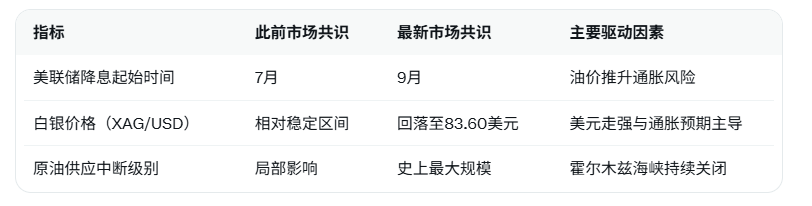
According to APP, silver prices ( XAG/USD ) fell back to around $ 83.60 per ounce in early European trading on Friday, mainly pressured by a stronger US dollar . Traders will be closely watching the latest developments in the Middle East, and the US January Personal Consumption Expenditures ( PCE ) price index report will be the focus of the day.
Escalating geopolitical conflicts in the Middle East could boost silver, a traditional safe-haven asset. US President Donald Trump recently stated that preventing Iran from acquiring nuclear weapons and threatening the Middle East is "far more interesting and important to me than the cost of oil prices." Meanwhile, Iran's new Supreme Leader Mojtaba Khamenei explicitly stated that the Islamic Republic will ensure the Strait of Hormuz remains effectively closed, adding that if the US and Israel continue their attacks, Tehran will seek to open additional fronts in the Middle East.
Nevertheless, the US and Israeli military strikes against Iran in late February caused the largest supply disruption in the history of the global oil market. The sharp rise in crude oil prices exacerbated inflation risks, causing the market to postpone its expectations for a Federal Reserve interest rate cut from July to September. This adjustment, in turn, boosted the dollar index and suppressed dollar-denominated commodity prices.
To visually compare key changes in expectations, the following table presents the evolution of policy and price paths:
In-depth analysis reveals that silver possesses both industrial and monetary attributes. In the short term, it faces dual pressures from a strong US dollar and the Federal Reserve's delayed easing measures. However, escalating conflicts in the Middle East provide natural support for safe-haven buying. If the closure of the Strait of Hormuz is extended, the transmission of oil inflation will further strengthen tightening expectations, and the US dollar may remain strong. Conversely, if the conflict eases, silver's safe-haven attributes will quickly recover its losses. For major Asian countries, high oil prices and precious metal volatility will simultaneously affect energy import costs and manufacturing profits. It is recommended to combine PCE data to verify the Fed's path and dynamically adjust exposure to precious metals and commodities.
Editor's Summary : The oil price and inflation shocks triggered by the Middle East conflict have clearly reshaped the Federal Reserve's policy pace. Silver is under short-term pressure from a strong dollar but still retains its safe-haven resilience. The PCE report will be a key catalyst for validating market expectations. Investors need to balance geopolitical uncertainties and monetary policy signals, and flexibly allocate their portfolios to cope with the amplified volatility environment.
Frequently Asked Questions
Q1: Why did the price of silver fall back to around $83.60, and where did the main pressure come from?
The main driver was the strengthening of the US dollar, which stemmed directly from the market's postponement of expectations for a Federal Reserve rate cut from July to September. Soaring oil prices increased inflation risks, requiring the Fed to maintain high interest rates for a longer period to anchor expectations, thus supporting the dollar index. Silver, priced in US dollars, therefore came under pressure and fell, although the Middle East conflict provided some safe-haven buying, currency factors currently dominate.
Q2: What impact will Donald Trump's latest remarks have on oil and silver prices?
Trump emphasized that preventing the Iranian nuclear threat is far more important than the cost of oil prices. This hardline stance has prolonged the uncertainty of the conflict, supporting the continued rise in geopolitical premiums for oil. High oil prices have exacerbated inflation concerns, further delaying the Federal Reserve's interest rate cuts and indirectly suppressing precious metals such as silver. Investors need to pay attention to his subsequent statements. If he reiterates his "nuclear issue as a priority," the upward trend in both oil prices and the US dollar may continue, making a significant rebound in precious metals unlikely in the short term.
Q3: What does the statement made by Iran's new Supreme Leader Mojtaba Khamenei regarding the Strait of Hormuz mean?
He explicitly stated that the strait would remain effectively closed and threatened to open other fronts, directly extending the global oil shipping disruption. This historically largest supply bottleneck will push up crude oil prices, amplify inflationary pressures, and force the Federal Reserve to delay interest rate cuts. While silver, as a safe-haven asset, may benefit in the short term from the tense atmosphere, the stronger effect of a appreciating dollar will put downward pressure on its price until signs of shipping recovery emerge.
Q4: How did the military strikes in the Middle East cause the Fed's rate cut expectations to be postponed from July to September?
The US-Israeli strikes at the end of February caused the largest disruption to crude oil supply in history, causing oil prices to soar and directly raising energy and transportation costs, while core inflation remained stubbornly entrenched. As a result, the market repriced the need for the Federal Reserve to observe inflation data for a longer period, postponing the window for interest rate cuts to September. This adjustment pushed up US Treasury yields and the dollar index, putting pressure on dollar-denominated commodities, including silver, forming a clear policy-price transmission chain.
Q5: How will today's PCE report and the situation in the Middle East jointly affect the price movements of silver and the US dollar?
As the Fed's preferred inflation indicator, a stronger-than-expected January PCE figure would further validate the inflationary pressures transmitted through oil prices, strengthen the consensus on a September rate cut, and support the dollar. If the data is moderate, safe-haven buying in silver may dominate the rebound. If tensions in the Middle East remain high (without easing of the Hormuz closure), the safe-haven properties of precious metals will provide downside support, but overall, the dollar and inflation expectations will still be the dominant factors.
Escalating geopolitical conflicts in the Middle East could boost silver, a traditional safe-haven asset. US President Donald Trump recently stated that preventing Iran from acquiring nuclear weapons and threatening the Middle East is "far more interesting and important to me than the cost of oil prices." Meanwhile, Iran's new Supreme Leader Mojtaba Khamenei explicitly stated that the Islamic Republic will ensure the Strait of Hormuz remains effectively closed, adding that if the US and Israel continue their attacks, Tehran will seek to open additional fronts in the Middle East.
Nevertheless, the US and Israeli military strikes against Iran in late February caused the largest supply disruption in the history of the global oil market. The sharp rise in crude oil prices exacerbated inflation risks, causing the market to postpone its expectations for a Federal Reserve interest rate cut from July to September. This adjustment, in turn, boosted the dollar index and suppressed dollar-denominated commodity prices.
To visually compare key changes in expectations, the following table presents the evolution of policy and price paths:
In-depth analysis reveals that silver possesses both industrial and monetary attributes. In the short term, it faces dual pressures from a strong US dollar and the Federal Reserve's delayed easing measures. However, escalating conflicts in the Middle East provide natural support for safe-haven buying. If the closure of the Strait of Hormuz is extended, the transmission of oil inflation will further strengthen tightening expectations, and the US dollar may remain strong. Conversely, if the conflict eases, silver's safe-haven attributes will quickly recover its losses. For major Asian countries, high oil prices and precious metal volatility will simultaneously affect energy import costs and manufacturing profits. It is recommended to combine PCE data to verify the Fed's path and dynamically adjust exposure to precious metals and commodities.
Editor's Summary : The oil price and inflation shocks triggered by the Middle East conflict have clearly reshaped the Federal Reserve's policy pace. Silver is under short-term pressure from a strong dollar but still retains its safe-haven resilience. The PCE report will be a key catalyst for validating market expectations. Investors need to balance geopolitical uncertainties and monetary policy signals, and flexibly allocate their portfolios to cope with the amplified volatility environment.
Frequently Asked Questions
Q1: Why did the price of silver fall back to around $83.60, and where did the main pressure come from?
The main driver was the strengthening of the US dollar, which stemmed directly from the market's postponement of expectations for a Federal Reserve rate cut from July to September. Soaring oil prices increased inflation risks, requiring the Fed to maintain high interest rates for a longer period to anchor expectations, thus supporting the dollar index. Silver, priced in US dollars, therefore came under pressure and fell, although the Middle East conflict provided some safe-haven buying, currency factors currently dominate.
Q2: What impact will Donald Trump's latest remarks have on oil and silver prices?
Trump emphasized that preventing the Iranian nuclear threat is far more important than the cost of oil prices. This hardline stance has prolonged the uncertainty of the conflict, supporting the continued rise in geopolitical premiums for oil. High oil prices have exacerbated inflation concerns, further delaying the Federal Reserve's interest rate cuts and indirectly suppressing precious metals such as silver. Investors need to pay attention to his subsequent statements. If he reiterates his "nuclear issue as a priority," the upward trend in both oil prices and the US dollar may continue, making a significant rebound in precious metals unlikely in the short term.
Q3: What does the statement made by Iran's new Supreme Leader Mojtaba Khamenei regarding the Strait of Hormuz mean?
He explicitly stated that the strait would remain effectively closed and threatened to open other fronts, directly extending the global oil shipping disruption. This historically largest supply bottleneck will push up crude oil prices, amplify inflationary pressures, and force the Federal Reserve to delay interest rate cuts. While silver, as a safe-haven asset, may benefit in the short term from the tense atmosphere, the stronger effect of a appreciating dollar will put downward pressure on its price until signs of shipping recovery emerge.
Q4: How did the military strikes in the Middle East cause the Fed's rate cut expectations to be postponed from July to September?
The US-Israeli strikes at the end of February caused the largest disruption to crude oil supply in history, causing oil prices to soar and directly raising energy and transportation costs, while core inflation remained stubbornly entrenched. As a result, the market repriced the need for the Federal Reserve to observe inflation data for a longer period, postponing the window for interest rate cuts to September. This adjustment pushed up US Treasury yields and the dollar index, putting pressure on dollar-denominated commodities, including silver, forming a clear policy-price transmission chain.
Q5: How will today's PCE report and the situation in the Middle East jointly affect the price movements of silver and the US dollar?
As the Fed's preferred inflation indicator, a stronger-than-expected January PCE figure would further validate the inflationary pressures transmitted through oil prices, strengthen the consensus on a September rate cut, and support the dollar. If the data is moderate, safe-haven buying in silver may dominate the rebound. If tensions in the Middle East remain high (without easing of the Hormuz closure), the safe-haven properties of precious metals will provide downside support, but overall, the dollar and inflation expectations will still be the dominant factors.
- Risk Warning and Disclaimer
- The market involves risk, and trading may not be suitable for all investors. This article is for reference only and does not constitute personal investment advice, nor does it take into account certain users’ specific investment objectives, financial situation, or other needs. Any investment decisions made based on this information are at your own risk.