Israel's ground invasion of Lebanon strikes Hezbollah, an Iranian ally, igniting widespread conflict in the Middle East.
2026-03-17 09:33:07
As the conflict between the US, Israel, and Iran in the Middle East intensifies, Israel officially announced on Monday (March 16) a ground invasion of southern Lebanon, opening a new front against Hezbollah, Iran's most powerful regional ally.
This operation marks a further escalation in Israel's crackdown on Iranian proxy networks, while simultaneously dispersing its military forces across multiple fronts, including Gaza, Syria, Lebanon, and mainland Iran.
Israeli Defense Minister Israel Katz said the operation would be similar to the Gaza campaign, suggesting a possible long-term occupation of parts of Lebanese territory until the Hezbollah threat is completely eliminated.
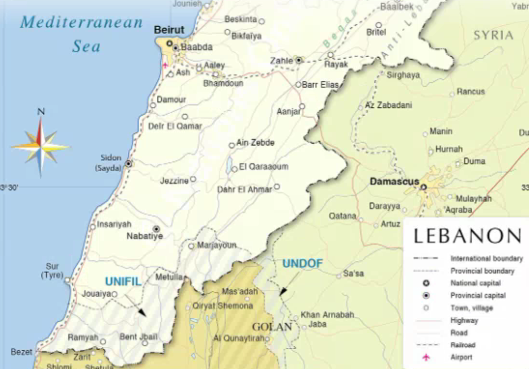
Since the Hamas-led attack on October 7, 2023, Israel has adopted an increasingly hardline stance toward neighboring countries. It has now occupied parts of Syria, more than half of Gaza, and has long controlled the West Bank.
The latest ground operations have raised serious questions about Israel's ability to wage a sustained multi-front war. The Israeli military, primarily composed of reservists, is extremely fatigued after two and a half years of high-intensity warfare; its interceptor missile stockpile is significantly depleted, posing a threat to its homeland's rocket and missile defense; and its air force is conducting thousands of sorties around the clock over Iran, leaving it with severely strained resources.
Ofer Guterman, a senior researcher at the Israel Institute for National Security, said the Israeli military could sustain multi-front operations in the short term. However, he added, "In the long run, the problems remain. Part of military success lies in translating it into tangible benefits." Israel currently still considers Iran its primary operational target, but the conflict in Lebanon is expected to continue even after the war against Iran ends.
Last Wednesday, Hezbollah fired more than 200 munitions at Israel, breaking the ceasefire agreement reached in November 2024. This followed Israel's killing of Hezbollah leader Hassan Nasrallah and the weakening of its personnel and missile capabilities, but the group apparently retains considerable retaliatory strength. According to Israeli military assessments, hundreds of elite Hezbollah fighters crossed the Litani River south of Iraq after the start of the war and joined local forces, still possessing the capability to coordinate joint attacks with Iran.
Former Israeli Navy Commander Eliezer Marum stated, "The agreement from last November did not stand the test. We thought we had done a good job. As a result, Hezbollah recovered and stockpiled a large number of rockets." He added that Hezbollah continues to launch dozens of missiles and drones every day.
Israel retaliated with heavy fire, bombing Hezbollah’s traditional strongholds, including the southern suburbs of Beirut, while also affecting downtown Beirut and the coastal tourist area.
According to the Lebanese Ministry of Health, more than 800 people have died, a figure that does not differentiate between armed personnel and civilians. United Nations statistics indicate that nearly one million people have been displaced within Lebanon.
Several Israeli airstrikes in downtown Beirut targeted densely populated areas, including a well-known hotel near the sea and a seaside refuge, killing multiple people. The Israeli military did not respond to requests for comment.
Despite the intense fighting, efforts to de-escalate the situation are ongoing. According to Lebanese and French officials, Lebanese leaders are conveying a willingness to hold rare direct government-level talks with Israel, with France expected to assist in mediation. Sources indicate that Israel is open to this.
Some Lebanese residents living in Hezbollah-controlled areas expressed discontent over the group's delayed attack on Israel after the assassination of Iran's Supreme Leader. Samy Gemayel, leader of a Lebanese Christian political party, stated, "Hezbollah is willing to defend Iran at all costs, even if it means suicide attacks, even if it means the destruction of Lebanon." He added that this angered them because Hezbollah was protecting a foreign government, not the Lebanese people.
“Neither ground nor air operations can effectively defeat a homegrown armed movement,” said Randa Slim, director of the Middle East program at the Stimson Center. She added, “The Americans tried in Afghanistan and failed. The Israelis have been trying to deal with Hezbollah in Lebanon since 1982, and have also failed.”
While Israel's campaign against Iran's "axis of resistance" (including Hezbollah, Hamas, and the Houthis) has achieved tactical victories, it has not yet completely defeated any of these groups. This raises the question: how long would Israel need to maintain a state of war to achieve its strategic objectives? Meanwhile, diplomatic progress, such as the normalization of relations between Israel and Saudi Arabia, has also been hampered.
Overall , Israel's ground invasion of Lebanon marks a new phase in the Middle East war, with the conflict entering a multi-front, all-out conflict. Hezbollah's tenacious counterattack exceeded expectations, exposing the potential risks of a protracted war of attrition waged by Israel.
The stalemate in the Strait of Hormuz and the ongoing energy crisis threaten the largest disruption to global oil supplies in history. While diplomatic efforts have shown signs of progress, the prospects for a ceasefire remain uncertain. In the coming weeks, the trajectory of the Lebanese conflict, the sustainability of Israel's multi-front war, and the strength of major power coordination will directly determine whether the conflict escalates further or sees a turning point.
Investors and governments need to be highly vigilant about the chain reaction of energy prices, inflationary pressures and regional stability. This round of Middle East crisis has evolved from a regional conflict into a major source of uncertainty for the global economy and financial markets.
This operation marks a further escalation in Israel's crackdown on Iranian proxy networks, while simultaneously dispersing its military forces across multiple fronts, including Gaza, Syria, Lebanon, and mainland Iran.
Israeli Defense Minister Israel Katz said the operation would be similar to the Gaza campaign, suggesting a possible long-term occupation of parts of Lebanese territory until the Hezbollah threat is completely eliminated.
Israel faces increased pressure from fighting on multiple fronts, and Hezbollah's counterattack capabilities have exceeded expectations.
Since the Hamas-led attack on October 7, 2023, Israel has adopted an increasingly hardline stance toward neighboring countries. It has now occupied parts of Syria, more than half of Gaza, and has long controlled the West Bank.
The latest ground operations have raised serious questions about Israel's ability to wage a sustained multi-front war. The Israeli military, primarily composed of reservists, is extremely fatigued after two and a half years of high-intensity warfare; its interceptor missile stockpile is significantly depleted, posing a threat to its homeland's rocket and missile defense; and its air force is conducting thousands of sorties around the clock over Iran, leaving it with severely strained resources.
Ofer Guterman, a senior researcher at the Israel Institute for National Security, said the Israeli military could sustain multi-front operations in the short term. However, he added, "In the long run, the problems remain. Part of military success lies in translating it into tangible benefits." Israel currently still considers Iran its primary operational target, but the conflict in Lebanon is expected to continue even after the war against Iran ends.
Hezbollah's rocket barrage breaks ceasefire, demonstrating its tenacious ability to survive.
Last Wednesday, Hezbollah fired more than 200 munitions at Israel, breaking the ceasefire agreement reached in November 2024. This followed Israel's killing of Hezbollah leader Hassan Nasrallah and the weakening of its personnel and missile capabilities, but the group apparently retains considerable retaliatory strength. According to Israeli military assessments, hundreds of elite Hezbollah fighters crossed the Litani River south of Iraq after the start of the war and joined local forces, still possessing the capability to coordinate joint attacks with Iran.
Former Israeli Navy Commander Eliezer Marum stated, "The agreement from last November did not stand the test. We thought we had done a good job. As a result, Hezbollah recovered and stockpiled a large number of rockets." He added that Hezbollah continues to launch dozens of missiles and drones every day.
Lebanese civilians suffered heavy casualties as Israeli airstrikes affected densely populated areas.
Israel retaliated with heavy fire, bombing Hezbollah’s traditional strongholds, including the southern suburbs of Beirut, while also affecting downtown Beirut and the coastal tourist area.
According to the Lebanese Ministry of Health, more than 800 people have died, a figure that does not differentiate between armed personnel and civilians. United Nations statistics indicate that nearly one million people have been displaced within Lebanon.
Several Israeli airstrikes in downtown Beirut targeted densely populated areas, including a well-known hotel near the sea and a seaside refuge, killing multiple people. The Israeli military did not respond to requests for comment.
Diplomatic efforts to ease tensions emerge; Lebanon is willing to engage in direct dialogue with Israel.
Despite the intense fighting, efforts to de-escalate the situation are ongoing. According to Lebanese and French officials, Lebanese leaders are conveying a willingness to hold rare direct government-level talks with Israel, with France expected to assist in mediation. Sources indicate that Israel is open to this.
Some Lebanese residents living in Hezbollah-controlled areas expressed discontent over the group's delayed attack on Israel after the assassination of Iran's Supreme Leader. Samy Gemayel, leader of a Lebanese Christian political party, stated, "Hezbollah is willing to defend Iran at all costs, even if it means suicide attacks, even if it means the destruction of Lebanon." He added that this angered them because Hezbollah was protecting a foreign government, not the Lebanese people.
Stimson Center experts: Ground operations are unlikely to eradicate homeland militants.
“Neither ground nor air operations can effectively defeat a homegrown armed movement,” said Randa Slim, director of the Middle East program at the Stimson Center. She added, “The Americans tried in Afghanistan and failed. The Israelis have been trying to deal with Hezbollah in Lebanon since 1982, and have also failed.”
While Israel's campaign against Iran's "axis of resistance" (including Hezbollah, Hamas, and the Houthis) has achieved tactical victories, it has not yet completely defeated any of these groups. This raises the question: how long would Israel need to maintain a state of war to achieve its strategic objectives? Meanwhile, diplomatic progress, such as the normalization of relations between Israel and Saudi Arabia, has also been hampered.
Overall , Israel's ground invasion of Lebanon marks a new phase in the Middle East war, with the conflict entering a multi-front, all-out conflict. Hezbollah's tenacious counterattack exceeded expectations, exposing the potential risks of a protracted war of attrition waged by Israel.
The stalemate in the Strait of Hormuz and the ongoing energy crisis threaten the largest disruption to global oil supplies in history. While diplomatic efforts have shown signs of progress, the prospects for a ceasefire remain uncertain. In the coming weeks, the trajectory of the Lebanese conflict, the sustainability of Israel's multi-front war, and the strength of major power coordination will directly determine whether the conflict escalates further or sees a turning point.
Investors and governments need to be highly vigilant about the chain reaction of energy prices, inflationary pressures and regional stability. This round of Middle East crisis has evolved from a regional conflict into a major source of uncertainty for the global economy and financial markets.
- Risk Warning and Disclaimer
- The market involves risk, and trading may not be suitable for all investors. This article is for reference only and does not constitute personal investment advice, nor does it take into account certain users’ specific investment objectives, financial situation, or other needs. Any investment decisions made based on this information are at your own risk.