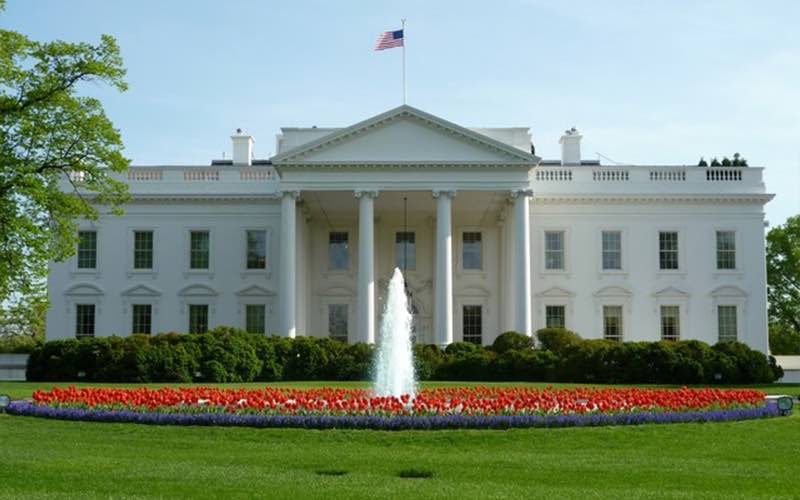
With the Federal Reserve's March meeting imminent and a decision to maintain interest rates imminent, caution is advised regarding a potential decline in the safe-haven premium for the US dollar.
2026-03-18 10:48:06
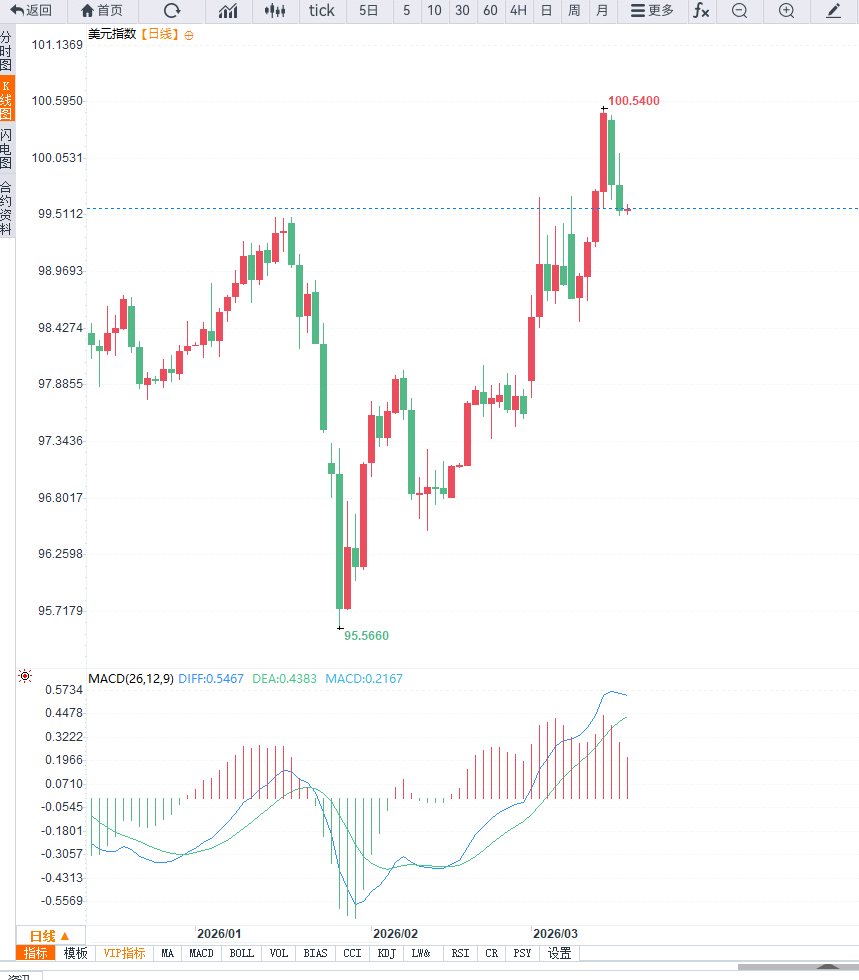
According to APP, the US Dollar Index ( DXY ) hovered around 99.60 during Wednesday's Asian trading session. The index remained stable primarily as traders opted to wait and see ahead of the Federal Reserve's interest rate decision, which is expected to be announced later on Wednesday and will directly determine the dollar's future direction.

Reports indicate that Iran's security chief , Ali Larijani, was killed in an Israeli airstrike. Iranian Army Commander-in-Chief Amir Hatami immediately vowed a "decisive and regrettable" retaliatory action. He explicitly stated that this retaliation would demonstrate firm resolve in response to external attacks on key Iranian figures. This statement further amplified market concerns about the deteriorating regional situation, directly stimulating demand for the US dollar as the world's primary safe-haven asset, providing strong support against other major currencies.
In their latest report, foreign exchange analysts at major financial institutions noted that "geopolitical tensions in the Middle East have once again reinforced the role of the US dollar as the primary safe-haven currency." This assessment is highly consistent with current trading sentiment, especially given the backdrop of heightened oil price volatility and inflationary uncertainty, which further highlights the dollar's defensive attributes.
The Federal Open Market Committee (FOMC) is expected to keep the target range for the federal funds rate unchanged at 3.50%-3.75% at its March meeting. The escalating conflict in Iran and the sharp rise in oil prices have significantly complicated the inflation outlook, making a rate cut highly unlikely at this time. Traders have significantly lowered their expectations for Fed easing; according to market polls, a rate cut this year is now priced in at only about 25 basis points, far below the previously widely expected higher levels.
Traders will be closely watching Federal Reserve Chairman Jerome Powell's remarks following the interest rate decision. This will be one of the last press conferences before Powell's term ends (in May). Any hawkish comments from Fed officials could boost the DXY.
From a deeper analytical perspective, the escalation of the Middle East conflict has transcended the purely military level, directly impacting global energy prices and inflationary paths. Sustained high oil prices not only increase imported inflationary pressures but also make it difficult for the Federal Reserve to initiate an easing cycle in the short term, thus consolidating the foundation of a strong dollar. Coupled with Amir Khatami's tough retaliatory statements, market concerns about subsequent supply chain disruptions have intensified. It is reasonable to speculate that the DXY may test the 100-101 range in the short term. If Powell releases any signals of "data dependence but caution against risks," the upside potential will further expand.
On the other hand, the Fed's decision to maintain interest rates reflects a cautious balance: the current 3.50%-3.75% range is sufficient to limit demand, but geopolitical variables have delayed the window for rate cuts. Traders are pricing in a 25 basis point rate cut for the year, reflecting a reassessment of the "higher and longer" policy. If Powell emphasizes the potential amplifying effect of geopolitical risks on inflation in his press conference, safe-haven buying of the dollar will accelerate; conversely, if he releases a dovish outlook, the index may briefly fall back to around 98.50. Overall, however, geopolitical premiums have dominated the narrative, and the downside risk for the DXY is limited in the short term, while its upside potential is more noteworthy.
Editor's Summary : The ongoing geopolitical risks in the Middle East continue to inject a safe-haven premium into the US dollar, while the Federal Reserve's cautious policy stance reinforces this support. Future price movements will depend on the combined impact of the evolving conflict and Powell's statements; investors should pay close attention to data verification and risk event windows.
Frequently Asked Questions
Q1: Why is the DXY holding steady around 99.60 instead of fluctuating significantly?
A: The main reason is that traders are in a wait-and-see period ahead of the Fed's March meeting decision. The market has fully priced in the expectation of maintaining the current interest rate. While the Middle East conflict has boosted safe-haven demand, there have been no new sudden escalations, resulting in a temporary lack of clear direction for the index. The 99.60 level has become a short-term equilibrium point. Once the decision is made or Powell releases a clear signal, volatility will increase rapidly.
Q2: How will the attack on Iranian security chief Ali Larijani and Amir Khatami's vow of revenge affect the US dollar?
A: This incident directly exacerbated regional tensions, and Amir Khatami 's "decisive and regrettable" retaliatory statements further amplified uncertainty. Escalating conflict typically benefits the US dollar as a safe-haven currency, especially when oil prices are impacted and inflation rises, limiting the Federal Reserve's room for interest rate cuts and increasing the dollar's attractiveness. The market views this as a short-term supporting factor, potentially pushing the DXY to test higher levels.
Q3: Why does the Federal Reserve expect to maintain the interest rate at 3.50%-3.75% instead of cutting it?
A: The conflict in Iran and soaring oil prices have complicated the inflation outlook, with policymakers worried that premature easing could exacerbate price pressures. Current interest rates are sufficient to limit demand, but geopolitical variables are delaying rate cuts. Market polls indicate only a 25 basis point rate cut for the year, far below previous expectations, reflecting a cautious approach within a "data-dependent" framework.
Q4: Why were Powell's statements in his last few press conferences so important?
A: As a crucial communication window before the end of his term, his remarks will directly influence the market's pricing of the Fed's subsequent path. Hawkish signals (such as emphasizing the amplifying effect of geopolitical risks on inflation) could boost the dollar, while dovish statements could trigger a pullback. Traders are preparing for this, as it is not only an interpretation of the March decision but also a bellwether for the policy tone throughout the year.
Q5: What profound impact will the Middle East conflict have on the long-term role of the US dollar?
A: In the short term, safe-haven demand will dominate, but if the conflict drags on, the restructuring of global supply chains could alter inflation dynamics, limiting the Federal Reserve's policy flexibility. The US dollar's status as the primary safe-haven asset will be further solidified, while non-US currencies will face pressure. Investors should be wary that if retaliatory actions escalate, the DXY may break through the 100 mark and trigger adjustments in global capital flows, leading to a significant increase in overall volatility.
Reports indicate that Iran's security chief , Ali Larijani, was killed in an Israeli airstrike. Iranian Army Commander-in-Chief Amir Hatami immediately vowed a "decisive and regrettable" retaliatory action. He explicitly stated that this retaliation would demonstrate firm resolve in response to external attacks on key Iranian figures. This statement further amplified market concerns about the deteriorating regional situation, directly stimulating demand for the US dollar as the world's primary safe-haven asset, providing strong support against other major currencies.
In their latest report, foreign exchange analysts at major financial institutions noted that "geopolitical tensions in the Middle East have once again reinforced the role of the US dollar as the primary safe-haven currency." This assessment is highly consistent with current trading sentiment, especially given the backdrop of heightened oil price volatility and inflationary uncertainty, which further highlights the dollar's defensive attributes.
The Federal Open Market Committee (FOMC) is expected to keep the target range for the federal funds rate unchanged at 3.50%-3.75% at its March meeting. The escalating conflict in Iran and the sharp rise in oil prices have significantly complicated the inflation outlook, making a rate cut highly unlikely at this time. Traders have significantly lowered their expectations for Fed easing; according to market polls, a rate cut this year is now priced in at only about 25 basis points, far below the previously widely expected higher levels.
Traders will be closely watching Federal Reserve Chairman Jerome Powell's remarks following the interest rate decision. This will be one of the last press conferences before Powell's term ends (in May). Any hawkish comments from Fed officials could boost the DXY.
From a deeper analytical perspective, the escalation of the Middle East conflict has transcended the purely military level, directly impacting global energy prices and inflationary paths. Sustained high oil prices not only increase imported inflationary pressures but also make it difficult for the Federal Reserve to initiate an easing cycle in the short term, thus consolidating the foundation of a strong dollar. Coupled with Amir Khatami's tough retaliatory statements, market concerns about subsequent supply chain disruptions have intensified. It is reasonable to speculate that the DXY may test the 100-101 range in the short term. If Powell releases any signals of "data dependence but caution against risks," the upside potential will further expand.
On the other hand, the Fed's decision to maintain interest rates reflects a cautious balance: the current 3.50%-3.75% range is sufficient to limit demand, but geopolitical variables have delayed the window for rate cuts. Traders are pricing in a 25 basis point rate cut for the year, reflecting a reassessment of the "higher and longer" policy. If Powell emphasizes the potential amplifying effect of geopolitical risks on inflation in his press conference, safe-haven buying of the dollar will accelerate; conversely, if he releases a dovish outlook, the index may briefly fall back to around 98.50. Overall, however, geopolitical premiums have dominated the narrative, and the downside risk for the DXY is limited in the short term, while its upside potential is more noteworthy.
Editor's Summary : The ongoing geopolitical risks in the Middle East continue to inject a safe-haven premium into the US dollar, while the Federal Reserve's cautious policy stance reinforces this support. Future price movements will depend on the combined impact of the evolving conflict and Powell's statements; investors should pay close attention to data verification and risk event windows.
Frequently Asked Questions
Q1: Why is the DXY holding steady around 99.60 instead of fluctuating significantly?
A: The main reason is that traders are in a wait-and-see period ahead of the Fed's March meeting decision. The market has fully priced in the expectation of maintaining the current interest rate. While the Middle East conflict has boosted safe-haven demand, there have been no new sudden escalations, resulting in a temporary lack of clear direction for the index. The 99.60 level has become a short-term equilibrium point. Once the decision is made or Powell releases a clear signal, volatility will increase rapidly.
Q2: How will the attack on Iranian security chief Ali Larijani and Amir Khatami's vow of revenge affect the US dollar?
A: This incident directly exacerbated regional tensions, and Amir Khatami 's "decisive and regrettable" retaliatory statements further amplified uncertainty. Escalating conflict typically benefits the US dollar as a safe-haven currency, especially when oil prices are impacted and inflation rises, limiting the Federal Reserve's room for interest rate cuts and increasing the dollar's attractiveness. The market views this as a short-term supporting factor, potentially pushing the DXY to test higher levels.
Q3: Why does the Federal Reserve expect to maintain the interest rate at 3.50%-3.75% instead of cutting it?
A: The conflict in Iran and soaring oil prices have complicated the inflation outlook, with policymakers worried that premature easing could exacerbate price pressures. Current interest rates are sufficient to limit demand, but geopolitical variables are delaying rate cuts. Market polls indicate only a 25 basis point rate cut for the year, far below previous expectations, reflecting a cautious approach within a "data-dependent" framework.
Q4: Why were Powell's statements in his last few press conferences so important?
A: As a crucial communication window before the end of his term, his remarks will directly influence the market's pricing of the Fed's subsequent path. Hawkish signals (such as emphasizing the amplifying effect of geopolitical risks on inflation) could boost the dollar, while dovish statements could trigger a pullback. Traders are preparing for this, as it is not only an interpretation of the March decision but also a bellwether for the policy tone throughout the year.
Q5: What profound impact will the Middle East conflict have on the long-term role of the US dollar?
A: In the short term, safe-haven demand will dominate, but if the conflict drags on, the restructuring of global supply chains could alter inflation dynamics, limiting the Federal Reserve's policy flexibility. The US dollar's status as the primary safe-haven asset will be further solidified, while non-US currencies will face pressure. Investors should be wary that if retaliatory actions escalate, the DXY may break through the 100 mark and trigger adjustments in global capital flows, leading to a significant increase in overall volatility.
- Risk Warning and Disclaimer
- The market involves risk, and trading may not be suitable for all investors. This article is for reference only and does not constitute personal investment advice, nor does it take into account certain users’ specific investment objectives, financial situation, or other needs. Any investment decisions made based on this information are at your own risk.