Trump uses Pearl Harbor against Japan and calls NATO stupid! Who will provide escort in the Strait of Hormuz?
2026-03-20 10:40:03
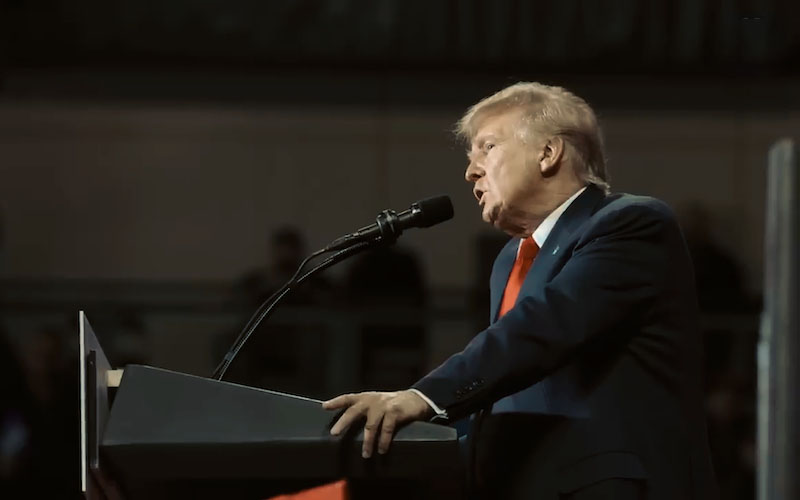
On Friday (March 20), US President Donald Trump met with Japan's new Prime Minister Sanae Takaichi for the first time in the Oval Office of the White House. During the meeting, a Japanese journalist directly questioned why the US did not notify its allies, including Japan, in advance of the February 28 attack on Iran.
Trump seized the opportunity to publicly explain that secrecy was to maintain the advantage of "surprise," and responded by analogy with historical events, sparking widespread controversy and an awkward atmosphere.
If the conflict continues, coordination among allies will become increasingly difficult, and the security of global energy corridors and geopolitical stability will face greater uncertainty. During Friday's Asian trading session, US crude oil prices fluctuated downwards, remaining significantly above pre-conflict levels, currently trading around $93.25 per barrel, a daily decline of approximately 2.4%.
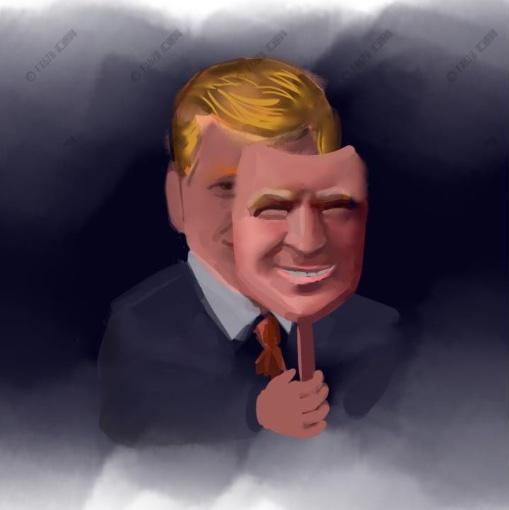
Trump bluntly stated, "Who knows more about this than you? Why didn't you tell me about Pearl Harbor beforehand? You believed in surprise attacks more than I did." He cited the 1941 Japanese attack on Pearl Harbor—which resulted in the deaths of more than 2,400 American soldiers and officially drew the United States into World War II—to ask the Japanese reporter, implying that surprise attacks have decisive military value.
Trump further stated that the raid on Iran had "destroyed 50 percent of our intended objectives" in the previous two days, thus demonstrating the effectiveness of his secrecy strategy. This statement directly linked the current geopolitical conflict to Japan's sensitive historical context from World War II, sparking widespread controversy and an awkward atmosphere.
When Trump mentioned Pearl Harbor, Sanae Takaichi visibly took a deep breath, leaned back in her chair, and appeared uneasy and uncomfortable. As Japan's new prime minister, Takaichi has emphasized pragmatic diplomacy since taking office, but her reaction to this historical analogy was interpreted by the media as an attempt to restrain her emotions and avoid escalating the controversy on the spot.
The Japanese government has previously stated that it has no intention of sending Maritime Self-Defense Force ships to escort vessels in the Middle East, and its official X account also posted that "the United States has not made any specific requests to Japan to send ships."
During the meeting, Trump praised Japan for "standing up" to help ensure the security of the Strait of Hormuz, saying its actions were "different from NATO's." Previously, Japan, along with the UK, France, Germany, Italy, and the Netherlands, issued a joint statement expressing their "readiness to make an appropriate contribution to ensuring safe navigation in the Strait of Hormuz."
However, the statement lacked specific military commitments, and Trump had previously called on allies to participate in the escort missions and criticized NATO's failure to join the war against Iraq as a "very stupid mistake."
German Defense Minister Boris Pistorius responded, "This is not our war, we did not initiate it"; German Chancellor Friedrich Merz reiterated on Thursday that Germany will not use military means to participate in freedom of navigation in the Straits as long as the war continues.
Article 9 of Japan's pacifist constitution renounces war and prohibits the use of force to settle international disputes, placing the Self-Defense Forces' actions under strict legal constraints. Sanae Takaichi stated on Tuesday that the government is studying measures that can be taken within the constitutional framework, but made no commitment to military deployment.
French President Emmanuel Macron, German Chancellor Merz, and other European leaders have emphasized that the conflict was not initiated by them and that they are unwilling to become deeply involved. Trump's criticism of NATO and European allies has exacerbated transatlantic tensions, while his Pearl Harbor analogy to Japan has further complicated the US-Japan alliance.
In his first meeting with Sanae Takaichi, Trump cited Pearl Harbor as a justification for the secrecy surrounding the attack on Iraq. While ostensibly explaining the necessity of military surprise, he was actually using a historical wound as a rhetorical tool, causing diplomatic embarrassment and a sensitive reaction within Japan.
This move highlights the United States' eagerness to rally allies to share the burden of escorting ships in the Strait of Hormuz during the conflict with Iran, but it has encountered restrictions imposed by the Japanese constitution and collective caution from Europe regarding "non-Chinese wars."
While the US-Japan alliance has a solid strategic core, historical memories, geopolitical differences, and constitutional constraints limit the depth of cooperation. If the conflict continues, the difficulty of coordination among allies will increase further, and the security of global energy corridors and geopolitical stability will face greater uncertainty.
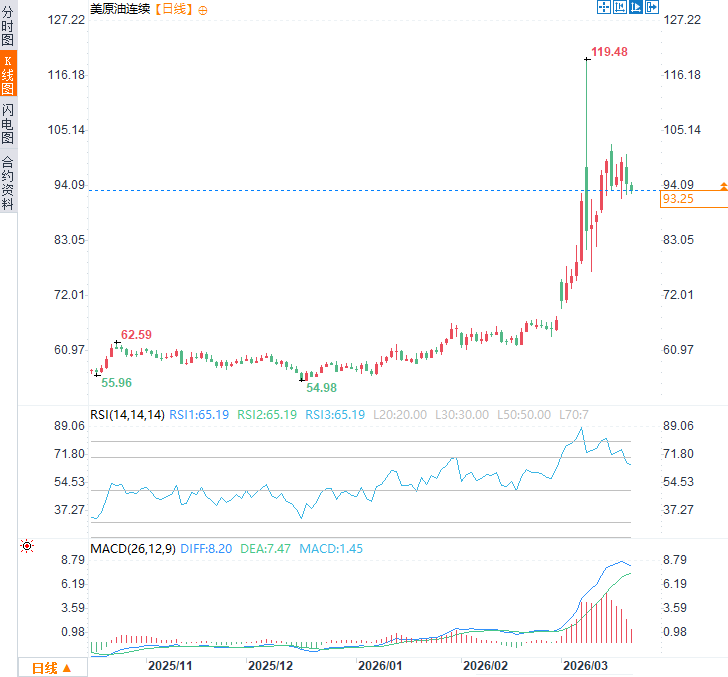
(US crude oil daily chart, source: FX678)
At 10:39 Beijing time, US crude oil futures were trading at $93.55 per barrel.
Trump seized the opportunity to publicly explain that secrecy was to maintain the advantage of "surprise," and responded by analogy with historical events, sparking widespread controversy and an awkward atmosphere.
If the conflict continues, coordination among allies will become increasingly difficult, and the security of global energy corridors and geopolitical stability will face greater uncertainty. During Friday's Asian trading session, US crude oil prices fluctuated downwards, remaining significantly above pre-conflict levels, currently trading around $93.25 per barrel, a daily decline of approximately 2.4%.
Trump responds to secrecy questions by analogy to Pearl Harbor
Trump bluntly stated, "Who knows more about this than you? Why didn't you tell me about Pearl Harbor beforehand? You believed in surprise attacks more than I did." He cited the 1941 Japanese attack on Pearl Harbor—which resulted in the deaths of more than 2,400 American soldiers and officially drew the United States into World War II—to ask the Japanese reporter, implying that surprise attacks have decisive military value.
Trump further stated that the raid on Iran had "destroyed 50 percent of our intended objectives" in the previous two days, thus demonstrating the effectiveness of his secrecy strategy. This statement directly linked the current geopolitical conflict to Japan's sensitive historical context from World War II, sparking widespread controversy and an awkward atmosphere.
Sanae Takaichi's on-site reaction and Japan's position
When Trump mentioned Pearl Harbor, Sanae Takaichi visibly took a deep breath, leaned back in her chair, and appeared uneasy and uncomfortable. As Japan's new prime minister, Takaichi has emphasized pragmatic diplomacy since taking office, but her reaction to this historical analogy was interpreted by the media as an attempt to restrain her emotions and avoid escalating the controversy on the spot.
The Japanese government has previously stated that it has no intention of sending Maritime Self-Defense Force ships to escort vessels in the Middle East, and its official X account also posted that "the United States has not made any specific requests to Japan to send ships."
US pressure on security in the Strait of Hormuz
During the meeting, Trump praised Japan for "standing up" to help ensure the security of the Strait of Hormuz, saying its actions were "different from NATO's." Previously, Japan, along with the UK, France, Germany, Italy, and the Netherlands, issued a joint statement expressing their "readiness to make an appropriate contribution to ensuring safe navigation in the Strait of Hormuz."
However, the statement lacked specific military commitments, and Trump had previously called on allies to participate in the escort missions and criticized NATO's failure to join the war against Iraq as a "very stupid mistake."
German Defense Minister Boris Pistorius responded, "This is not our war, we did not initiate it"; German Chancellor Friedrich Merz reiterated on Thursday that Germany will not use military means to participate in freedom of navigation in the Straits as long as the war continues.
Japan's constitutional limitations and the cautious attitude of its allies
Article 9 of Japan's pacifist constitution renounces war and prohibits the use of force to settle international disputes, placing the Self-Defense Forces' actions under strict legal constraints. Sanae Takaichi stated on Tuesday that the government is studying measures that can be taken within the constitutional framework, but made no commitment to military deployment.
French President Emmanuel Macron, German Chancellor Merz, and other European leaders have emphasized that the conflict was not initiated by them and that they are unwilling to become deeply involved. Trump's criticism of NATO and European allies has exacerbated transatlantic tensions, while his Pearl Harbor analogy to Japan has further complicated the US-Japan alliance.
Editor's Summary
In his first meeting with Sanae Takaichi, Trump cited Pearl Harbor as a justification for the secrecy surrounding the attack on Iraq. While ostensibly explaining the necessity of military surprise, he was actually using a historical wound as a rhetorical tool, causing diplomatic embarrassment and a sensitive reaction within Japan.
This move highlights the United States' eagerness to rally allies to share the burden of escorting ships in the Strait of Hormuz during the conflict with Iran, but it has encountered restrictions imposed by the Japanese constitution and collective caution from Europe regarding "non-Chinese wars."
While the US-Japan alliance has a solid strategic core, historical memories, geopolitical differences, and constitutional constraints limit the depth of cooperation. If the conflict continues, the difficulty of coordination among allies will increase further, and the security of global energy corridors and geopolitical stability will face greater uncertainty.
(US crude oil daily chart, source: FX678)
At 10:39 Beijing time, US crude oil futures were trading at $93.55 per barrel.
- Risk Warning and Disclaimer
- The market involves risk, and trading may not be suitable for all investors. This article is for reference only and does not constitute personal investment advice, nor does it take into account certain users’ specific investment objectives, financial situation, or other needs. Any investment decisions made based on this information are at your own risk.