Trump targets Iranian oil islands; when will safe-haven gold return?
2026-03-20 20:03:31
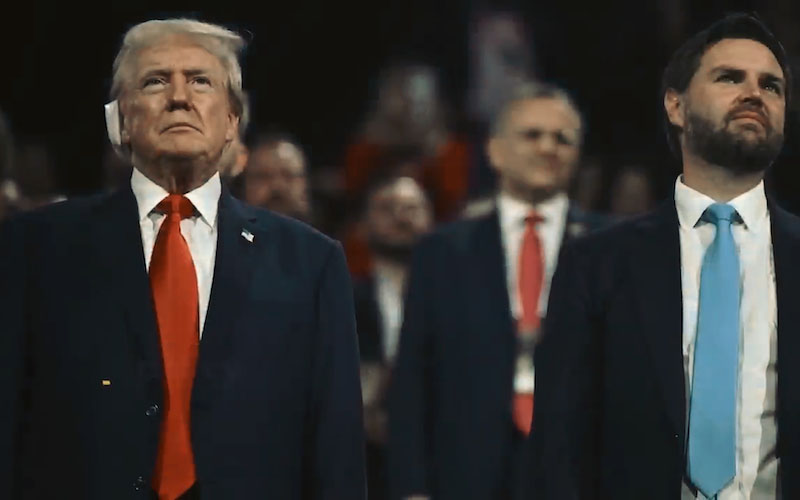
On Friday, March 20, the spot gold market continued to be affected by tensions in the Middle East. According to the latest news, US President Trump is considering occupying Iran's Karqa Island as a means of pressuring Iran to reopen the Strait of Hormuz.
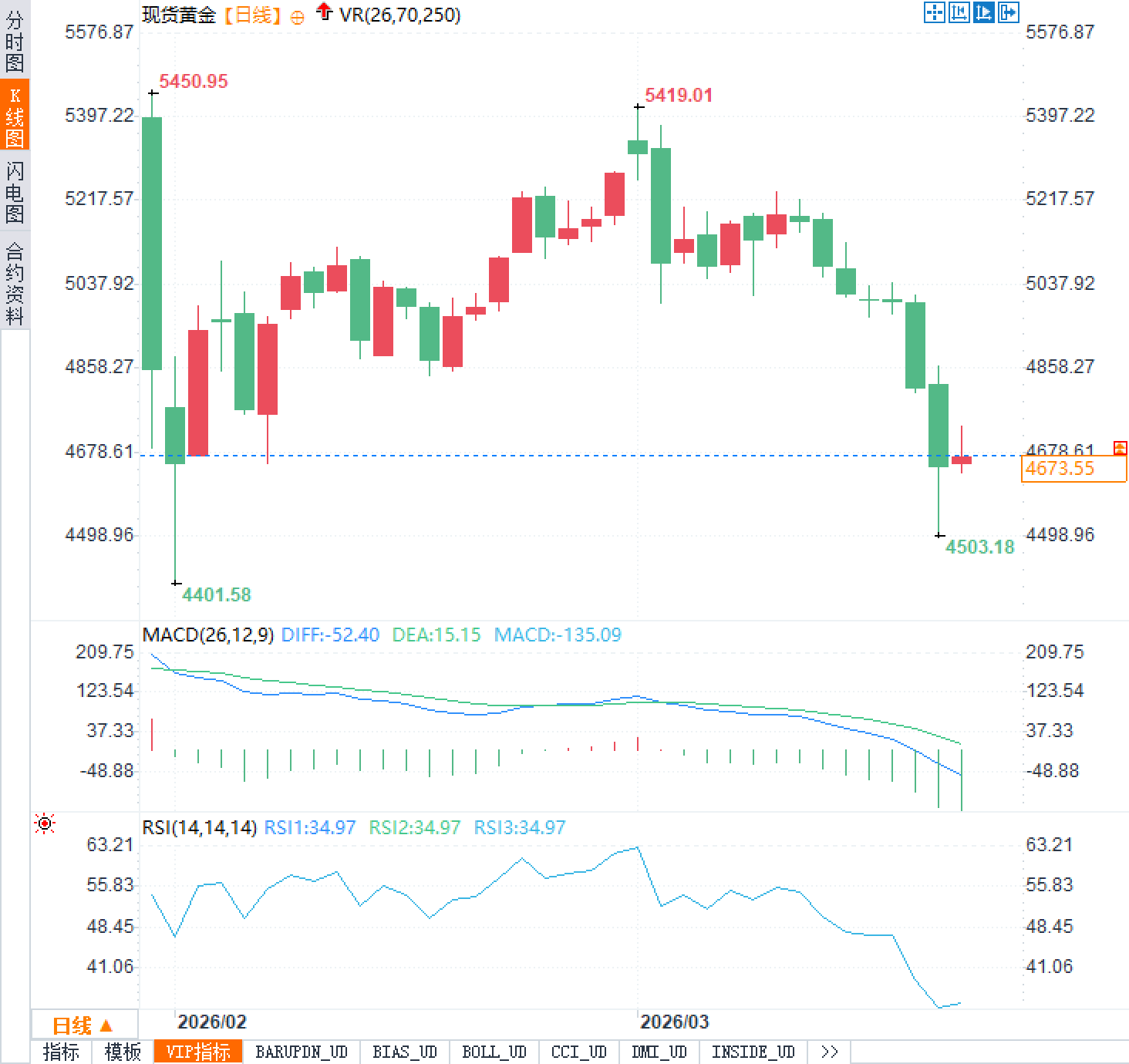
According to sources familiar with the matter, the plan aims to break control over shipping in the Straits. A decision on whether coastal operations or actual occupation would be necessary has not yet been finalized, but discussions have already sparked market concerns about potential disruptions to oil supplies. Spot gold prices are currently fluctuating around $4,670 per ounce, after previously touching levels above $5,400 due to similar risks.
Karqa Island is considered a crucial hub for Iranian oil exports, with nearly 90% of the country's crude oil exports relying on transshipment through the island. Any action targeting the island would directly impact Iran's energy revenue and global oil flows. The Strait of Hormuz handles approximately 20 million barrels of oil daily, equivalent to about 20% of global seaborne oil trade. If this route is blocked, energy prices will rise rapidly, further fueling inflation expectations and economic uncertainty. Against this backdrop, demand for gold, as a traditional safe-haven asset, has increased. Although the conflict may be de-escalated through negotiations, market sentiment remains defensive in the short term. The depletion of military resources and the uncertainty surrounding the operation further reinforce this safe-haven logic, prompting investors to reassess the weighting of gold in their asset allocation.
Sources familiar with the matter indicate that Trump wants the Strait of Hormuz to remain open and would proceed with the occupation of Kalgh Island if necessary. The plan may include an initial strike to weaken Iran, expected to take about a month, followed by using the island as leverage in negotiations. However, the island is only fifteen miles from the Iranian mainland, and any troops stationed there would face intense threats from land-based artillery, drones, and short-range missiles. This not only constitutes a high-risk operation but could also consume significant resources, causing the conflict to last far longer than anticipated. Trump has stated he will ensure the Strait remains open through various means, but the practical difficulties suggest a protracted situation. The gold market is therefore experiencing high volatility, and traders need to closely monitor the impact of any military developments on commodity pricing. The ripple effects of supply chain disruptions will amplify global energy cost pressures, directly reflected in commodity price curves.
According to sources familiar with the matter, the plan aims to break control over shipping in the Straits. A decision on whether coastal operations or actual occupation would be necessary has not yet been finalized, but discussions have already sparked market concerns about potential disruptions to oil supplies. Spot gold prices are currently fluctuating around $4,670 per ounce, after previously touching levels above $5,400 due to similar risks.
Geopolitical risks may reignite demand for safe-haven assets.
Karqa Island is considered a crucial hub for Iranian oil exports, with nearly 90% of the country's crude oil exports relying on transshipment through the island. Any action targeting the island would directly impact Iran's energy revenue and global oil flows. The Strait of Hormuz handles approximately 20 million barrels of oil daily, equivalent to about 20% of global seaborne oil trade. If this route is blocked, energy prices will rise rapidly, further fueling inflation expectations and economic uncertainty. Against this backdrop, demand for gold, as a traditional safe-haven asset, has increased. Although the conflict may be de-escalated through negotiations, market sentiment remains defensive in the short term. The depletion of military resources and the uncertainty surrounding the operation further reinforce this safe-haven logic, prompting investors to reassess the weighting of gold in their asset allocation.
Analysis of the strategic value and occupation challenges of Kalgh Island
Sources familiar with the matter indicate that Trump wants the Strait of Hormuz to remain open and would proceed with the occupation of Kalgh Island if necessary. The plan may include an initial strike to weaken Iran, expected to take about a month, followed by using the island as leverage in negotiations. However, the island is only fifteen miles from the Iranian mainland, and any troops stationed there would face intense threats from land-based artillery, drones, and short-range missiles. This not only constitutes a high-risk operation but could also consume significant resources, causing the conflict to last far longer than anticipated. Trump has stated he will ensure the Strait remains open through various means, but the practical difficulties suggest a protracted situation. The gold market is therefore experiencing high volatility, and traders need to closely monitor the impact of any military developments on commodity pricing. The ripple effects of supply chain disruptions will amplify global energy cost pressures, directly reflected in commodity price curves.
| assets | Current price | Recent Developments |
|---|---|---|
| spot gold | $4670/ounce | It has retreated from its highs but shows signs of stabilizing. |
| Brent crude oil | $108/barrel | Maintaining high levels amid supply risks |
Frequently Asked Questions
Question 1: Why did Kalgh Island become a strategic focus?
A: The island is the main gateway for Iranian crude oil exports, with approximately 90% of exports passing through it. Controlling it would effectively constrain Iran's energy economy and become a powerful bargaining chip to force the reopening of the Strait of Hormuz. Traders need to recognize that a disruption at this point would quickly translate into a global supply shortage signal, which would then be transmitted to gold prices through the energy cost pathway.
Question 2: What should traders focus on monitoring in the current environment?
A: The key factors to consider include the progress of military operations, the correlation between oil and gold prices, and central bank policy signals. Overall, it's crucial to monitor volatility changes to understand how evolving events impact safe-haven asset portfolios.
- Risk Warning and Disclaimer
- The market involves risk, and trading may not be suitable for all investors. This article is for reference only and does not constitute personal investment advice, nor does it take into account certain users’ specific investment objectives, financial situation, or other needs. Any investment decisions made based on this information are at your own risk.