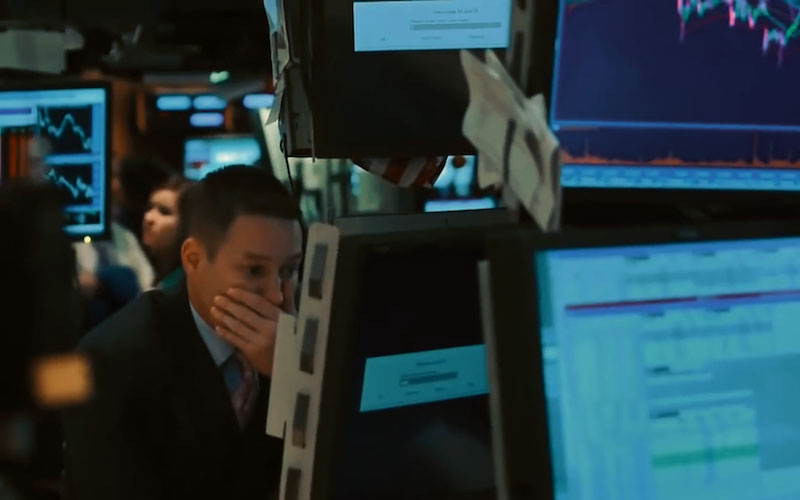
Gulf states issue urgent warnings, Trump is forced to postpone actions, and the power struggle behind the sharp drop in oil prices.
2026-03-25 15:28:04
On Tuesday evening, a new development emerged in the Middle East situation. US President Trump abruptly halted further military action in the standoff with Iran, after Gulf Arab states explicitly warned that a US strike on Iran's power grid would trigger severe Iranian retaliation against key energy facilities in the Gulf region. This sudden shift highlights the strategic dilemma facing the Trump administration in the current crisis.
According to regional sources and analysts, Gulf Arab states have directly warned the US government, explicitly stating that a US strike on Iranian power plants would trigger a strong Iranian retaliation against key energy infrastructure and desalination facilities in the Gulf states. These warnings directly prompted Trump to suspend the planned escalation.
Gulf officials are concerned that Trump may have seriously misjudged Iran’s resilience and willingness to escalate the conflict.
They pointed out that if Iran's power grid were attacked, Tehran would likely retaliate "without restraint," directly threatening the energy security of the entire Gulf region. This forced the Trump administration, which had initially thought it could quickly resolve the issue through pressure, to reassess the risks.
Iran's refusal to reopen the Strait of Hormuz, a crucial oil shipping route, has exacerbated global energy supply tensions. Brent crude oil prices have surged as a result, and international stock markets have also experienced significant declines. Iran, through an Arab intermediary, issued a clear warning to Gulf states: if the United States attacks their power plants, Iran will take "unlimited retaliatory measures."
Former U.S. diplomat and Iran expert Alan Eyre said, "When Trump said, 'You have to reopen the Strait within 48 hours,' he completely misjudged the situation. Once it became clear that Iran did indeed intend to retaliate by attacking Gulf energy infrastructure, he had to back down."
Alex Vatanka, an analyst at the Middle East Institute, further pointed out that Tehran's continued confrontational capabilities and unrestrained willingness to escalate the conflict greatly surprised Trump. He added, "They have no scruples, no limits, and no backing down."
Analysts generally believe that Trump originally expected Iran to make quick concessions due to internal pressure or deterrence, but instead encountered an asymmetric escalation.
Although Iran suffered a severe blow, it was not defeated; instead, it demonstrated a strong determination to retaliate. This forced Trump to adopt his usual pattern of "tough rhetoric, delayed action" to preserve policy flexibility and avoid turning a show of force into a protracted quagmire that could determine the success or failure of his presidency.
Alex Vatanka emphasized that the Gulf states ultimately paid the heaviest price. He stated, "If I were a leader of the Gulf states, I would be extremely angry. They were placed at enormous risk without their consent, and the damage caused in just four weeks could take years to repair."
At a deeper level, this conflict has shattered the Middle East order that Trump thought he could quickly reshape. While Iran suffered setbacks, it has learned a clear lesson: deterrence is effective. A mix of confidence and fear is shaping Tehran's strategic considerations: either gain lasting benefits from this war or risk being drawn back into a larger conflict.
For Trump, any final agreement will be narrower, more costly, and less acceptable to the domestic population than he initially hoped.
Trump's abrupt "pause" on the Iran issue reflects the complex realities facing the United States in its Middle East strategy. Strong warnings from Gulf states, Iran's hardline stance, and the dramatic fluctuations in global energy markets have all forced Washington to reassess the costs of escalating the conflict. Under the current circumstances, diplomatic communication continues, but the trajectory of the conflict remains highly uncertain.
Market participants need to closely monitor the progress of subsequent high-level talks and the final statements made by all parties on the Strait of Hormuz issue.
The impact of this event on international oil and gas prices is generally bearish in the short term, but uncertainties remain in the medium to long term. The US decision to postpone its strikes on Iran's power grid directly alleviated market concerns about further escalation of the conflict, putting downward pressure on oil prices in the short term. However, the Strait of Hormuz remains closed, disrupting approximately 20% of global oil transport, and the supply shortage has not been fundamentally alleviated.
While Brent crude oil prices experienced a temporary pullback following the news, they are expected to remain volatile at high levels as long as the Straits of Hormuz remains unreopened. Analysts predict that if ceasefire negotiations fail to make substantial progress quickly, oil prices may fluctuate between $95 and $110 per barrel; conversely, if a diplomatic breakthrough is achieved, oil prices could fall below $90.
For natural gas prices, the temporary easing of the risk of Iranian retaliation has provided a short-term respite for liquefied natural gas (LNG) transportation routes. However, the long-term fragility of Middle Eastern energy infrastructure will continue to support defensive demand for natural gas prices. As the world's largest natural gas producer, the United States' export prospects may improve slightly due to the easing of the conflict, but the reshaping of the global energy supply chain will still take a considerable amount of time.
Overall, the oil and gas sector is expected to experience high volatility in the short term, driven by news, and investors should be wary of the classic "buy the rumor, sell the fact" pattern. In the medium to long term, the final outcome of the Strait of Hormuz, the security of Iran's nuclear facilities, and the speed of global energy demand recovery will jointly determine the trend of oil and gas prices. It is recommended to pay attention to the progress of the release of US strategic petroleum reserves and subsequent statements from OPEC+ to seize potential trading opportunities.
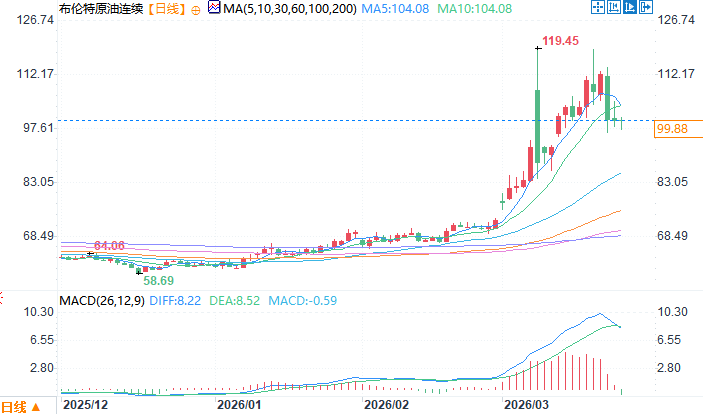
Brent crude oil daily chart source: EasyForex
At 15:20 Beijing time on March 25, Brent crude oil futures were trading at $99.88 per barrel.
Gulf states issued direct warnings, forcing Trump to suspend his actions.
According to regional sources and analysts, Gulf Arab states have directly warned the US government, explicitly stating that a US strike on Iranian power plants would trigger a strong Iranian retaliation against key energy infrastructure and desalination facilities in the Gulf states. These warnings directly prompted Trump to suspend the planned escalation.
Gulf officials are concerned that Trump may have seriously misjudged Iran’s resilience and willingness to escalate the conflict.
They pointed out that if Iran's power grid were attacked, Tehran would likely retaliate "without restraint," directly threatening the energy security of the entire Gulf region. This forced the Trump administration, which had initially thought it could quickly resolve the issue through pressure, to reassess the risks.
Iran refuses to reopen the Strait of Hormuz, causing oil prices to surge and stock markets to plummet.
Iran's refusal to reopen the Strait of Hormuz, a crucial oil shipping route, has exacerbated global energy supply tensions. Brent crude oil prices have surged as a result, and international stock markets have also experienced significant declines. Iran, through an Arab intermediary, issued a clear warning to Gulf states: if the United States attacks their power plants, Iran will take "unlimited retaliatory measures."
Former U.S. diplomat and Iran expert Alan Eyre said, "When Trump said, 'You have to reopen the Strait within 48 hours,' he completely misjudged the situation. Once it became clear that Iran did indeed intend to retaliate by attacking Gulf energy infrastructure, he had to back down."
Alex Vatanka, an analyst at the Middle East Institute, further pointed out that Tehran's continued confrontational capabilities and unrestrained willingness to escalate the conflict greatly surprised Trump. He added, "They have no scruples, no limits, and no backing down."
Trump misjudged Iran's resilience, and his strategic shift exposed its limitations.
Analysts generally believe that Trump originally expected Iran to make quick concessions due to internal pressure or deterrence, but instead encountered an asymmetric escalation.
Although Iran suffered a severe blow, it was not defeated; instead, it demonstrated a strong determination to retaliate. This forced Trump to adopt his usual pattern of "tough rhetoric, delayed action" to preserve policy flexibility and avoid turning a show of force into a protracted quagmire that could determine the success or failure of his presidency.
Alex Vatanka emphasized that the Gulf states ultimately paid the heaviest price. He stated, "If I were a leader of the Gulf states, I would be extremely angry. They were placed at enormous risk without their consent, and the damage caused in just four weeks could take years to repair."
At a deeper level, this conflict has shattered the Middle East order that Trump thought he could quickly reshape. While Iran suffered setbacks, it has learned a clear lesson: deterrence is effective. A mix of confidence and fear is shaping Tehran's strategic considerations: either gain lasting benefits from this war or risk being drawn back into a larger conflict.
For Trump, any final agreement will be narrower, more costly, and less acceptable to the domestic population than he initially hoped.
Overall Outlook
Trump's abrupt "pause" on the Iran issue reflects the complex realities facing the United States in its Middle East strategy. Strong warnings from Gulf states, Iran's hardline stance, and the dramatic fluctuations in global energy markets have all forced Washington to reassess the costs of escalating the conflict. Under the current circumstances, diplomatic communication continues, but the trajectory of the conflict remains highly uncertain.
Market participants need to closely monitor the progress of subsequent high-level talks and the final statements made by all parties on the Strait of Hormuz issue.
Analysis of the impact on oil and gas market
The impact of this event on international oil and gas prices is generally bearish in the short term, but uncertainties remain in the medium to long term. The US decision to postpone its strikes on Iran's power grid directly alleviated market concerns about further escalation of the conflict, putting downward pressure on oil prices in the short term. However, the Strait of Hormuz remains closed, disrupting approximately 20% of global oil transport, and the supply shortage has not been fundamentally alleviated.
While Brent crude oil prices experienced a temporary pullback following the news, they are expected to remain volatile at high levels as long as the Straits of Hormuz remains unreopened. Analysts predict that if ceasefire negotiations fail to make substantial progress quickly, oil prices may fluctuate between $95 and $110 per barrel; conversely, if a diplomatic breakthrough is achieved, oil prices could fall below $90.
For natural gas prices, the temporary easing of the risk of Iranian retaliation has provided a short-term respite for liquefied natural gas (LNG) transportation routes. However, the long-term fragility of Middle Eastern energy infrastructure will continue to support defensive demand for natural gas prices. As the world's largest natural gas producer, the United States' export prospects may improve slightly due to the easing of the conflict, but the reshaping of the global energy supply chain will still take a considerable amount of time.
Overall, the oil and gas sector is expected to experience high volatility in the short term, driven by news, and investors should be wary of the classic "buy the rumor, sell the fact" pattern. In the medium to long term, the final outcome of the Strait of Hormuz, the security of Iran's nuclear facilities, and the speed of global energy demand recovery will jointly determine the trend of oil and gas prices. It is recommended to pay attention to the progress of the release of US strategic petroleum reserves and subsequent statements from OPEC+ to seize potential trading opportunities.
Brent crude oil daily chart source: EasyForex
At 15:20 Beijing time on March 25, Brent crude oil futures were trading at $99.88 per barrel.
- Risk Warning and Disclaimer
- The market involves risk, and trading may not be suitable for all investors. This article is for reference only and does not constitute personal investment advice, nor does it take into account certain users’ specific investment objectives, financial situation, or other needs. Any investment decisions made based on this information are at your own risk.