Iran reviews the US ceasefire proposal but refuses to negotiate, demanding that Hezbollah be included in the agreement, adding further complexity to the Middle East situation.
2026-03-26 09:41:38
Iranian Foreign Minister Abbas Araqchi said on Wednesday that Iran is seriously considering a U.S. proposal to end the Middle East conflict, but currently has no intention of holding direct negotiations with the U.S. on the matter. This statement reflects Iran's cautious stance in the current situation, while also leaving room for possible indirect communication in the future.
In an interview on state television, Abbas Araqchi stated that the message conveyed by the United States through intermediaries has been relayed to the Iranian leadership, and the relevant proposals are under review. If necessary, the Iranian leadership will formally issue a position statement. He also emphasized that exchanging information through mediators does not equate to formal negotiations with the United States.
According to Israeli cabinet sources familiar with the plan, the 15-point proposal delivered by US President Trump through Pakistan mainly includes demands that Iran clear its stockpile of highly enriched uranium, halt uranium enrichment activities, curb its ballistic missile program, and cut off financial support to regional allies.
The White House declined to provide specific details of the proposal and issued a strong warning. White House spokesman Levitt said, "If they don't understand that they have been militarily defeated and will continue to be defeated, President Trump will ensure that they suffer a more severe blow than ever before."
Israel, however, is clearly skeptical of the proposal. A senior Israeli defense official stated that Israel is concerned that US negotiators might make too many concessions and hopes that any final agreement will retain the option for Israel to launch a preemptive strike.
Alongside diplomatic efforts, ongoing military actions are underway. Sources indicate the Pentagon is planning to deploy thousands of airborne troops to the Gulf region to bolster Trump's options for a ground offensive should the situation escalate. This move will further complement two Marine Corps units already deployed, the first of which, aboard a large amphibious assault ship, is expected to arrive in the area by the end of this month.
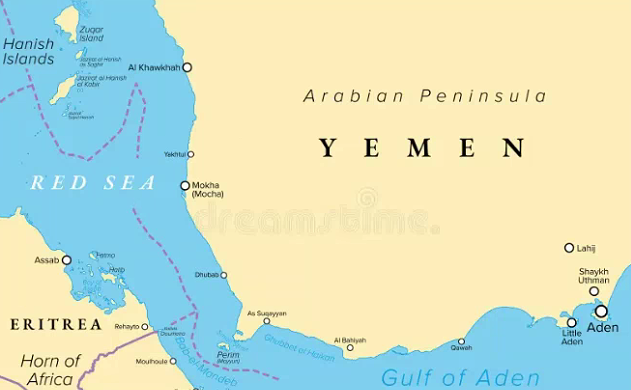
Iran has issued a strong countermeasure. The semi-official Tasnim News Agency, citing military sources, reported that if Iranian territory is attacked, Iran might open a new front in the Bab el-Mandeb Strait, the entrance to the Red Sea , posing a "credible threat" to the region. Iranian Parliament Speaker Qalibaf also warned that if a neighboring country assists an "enemy" in occupying Iranian islands, Iran will launch an attack against that country.
UN Secretary-General António Guterres warned at UN headquarters in New York on Wednesday, saying, "It is time to stop escalating the conflict and begin seeking a diplomatic solution." He emphasized that the region faces the threat of a larger-scale war.
According to six regional sources familiar with Iran's position, Iran has made it clear to intermediaries that any ceasefire agreement with the United States and Israel must include Lebanon and link the end of the war to Israel's cessation of its military operations against Hezbollah in Lebanon.
Iranian officials emphasized that the agreement Tehran hopes to reach should not only end conflicts directly related to Iran, but also cover other "resistance groups" in the region. A senior Iranian official stated that Iran is still reviewing the US proposal and has not yet outright rejected it.
Hezbollah has received clear assurances from Iran. A regional source indicated that Iran is prioritizing Lebanon and will not accept Israel continuing its military operations in Lebanon, as happened after the 2024 ceasefire agreement.
A Beirut diplomatic official familiar with Hezbollah's position said the organization hopes to further consolidate its political position in Lebanon through an Iranian-backed ceasefire agreement.
Israel has explicitly refused to engage in any negotiations with Iran. The Israeli Foreign Ministry stated, "Israel has never negotiated with the Iranian terrorist regime and will never negotiate with it."
A source familiar with Israeli military strategy added that Israeli attacks on Hezbollah are likely to continue after the air battle with Iran ends, and there is no direct link between the two fronts.
Global stock markets rebounded slightly on Wednesday (March 25) after reports surfaced that the United States had submitted a ceasefire proposal, while oil prices fell. Investors generally hope that the conflict, which has severely disrupted global energy supplies and could drive up inflation, can end as soon as possible.
However, analysts caution that while markets are optimistic about diplomatic progress, Iran's insistence on including Hezbollah in the agreement significantly complicates the ceasefire negotiations. Whether a final agreement can be reached still depends on the degree of compromise among the parties on their core interests.
Iran's consideration of the US ceasefire proposal but its refusal to engage in direct negotiations, while insisting on including the Lebanese issue in the agreement, demonstrates the complexity and multi-party nature of the current situation in the Middle East. On the one hand, diplomatic channels remain open; on the other hand, military deployments and tough statements continue, and the risk of conflict has not been completely eliminated.
The Trump administration faces the challenge of balancing military pressure with diplomatic maneuvering, while Iran attempts to leverage multi-pronged pressure to secure more favorable negotiating terms. The situation in the Middle East remains highly uncertain for the foreseeable future. The navigation conditions in the Strait of Hormuz and the Bab el-Mandeb Strait, the movements of Hezbollah in Lebanon, and the actual progress of high-level talks among various parties will continue to be crucial variables influencing regional stability and global energy markets.
Market participants need to remain highly vigilant and closely monitor subsequent diplomatic developments and changes in military signals.
Iran considers US ceasefire proposal but explicitly rejects direct negotiations.
In an interview on state television, Abbas Araqchi stated that the message conveyed by the United States through intermediaries has been relayed to the Iranian leadership, and the relevant proposals are under review. If necessary, the Iranian leadership will formally issue a position statement. He also emphasized that exchanging information through mediators does not equate to formal negotiations with the United States.
According to Israeli cabinet sources familiar with the plan, the 15-point proposal delivered by US President Trump through Pakistan mainly includes demands that Iran clear its stockpile of highly enriched uranium, halt uranium enrichment activities, curb its ballistic missile program, and cut off financial support to regional allies.
The White House declined to provide specific details of the proposal and issued a strong warning. White House spokesman Levitt said, "If they don't understand that they have been militarily defeated and will continue to be defeated, President Trump will ensure that they suffer a more severe blow than ever before."
Israel, however, is clearly skeptical of the proposal. A senior Israeli defense official stated that Israel is concerned that US negotiators might make too many concessions and hopes that any final agreement will retain the option for Israel to launch a preemptive strike.
Pentagon builds troops in the Gulf, Trump maintains military pressure
Alongside diplomatic efforts, ongoing military actions are underway. Sources indicate the Pentagon is planning to deploy thousands of airborne troops to the Gulf region to bolster Trump's options for a ground offensive should the situation escalate. This move will further complement two Marine Corps units already deployed, the first of which, aboard a large amphibious assault ship, is expected to arrive in the area by the end of this month.
Iran has issued a strong countermeasure. The semi-official Tasnim News Agency, citing military sources, reported that if Iranian territory is attacked, Iran might open a new front in the Bab el-Mandeb Strait, the entrance to the Red Sea , posing a "credible threat" to the region. Iranian Parliament Speaker Qalibaf also warned that if a neighboring country assists an "enemy" in occupying Iranian islands, Iran will launch an attack against that country.
UN Secretary-General António Guterres warned at UN headquarters in New York on Wednesday, saying, "It is time to stop escalating the conflict and begin seeking a diplomatic solution." He emphasized that the region faces the threat of a larger-scale war.
Iran insists on including Lebanon in the ceasefire agreement.
According to six regional sources familiar with Iran's position, Iran has made it clear to intermediaries that any ceasefire agreement with the United States and Israel must include Lebanon and link the end of the war to Israel's cessation of its military operations against Hezbollah in Lebanon.
Iranian officials emphasized that the agreement Tehran hopes to reach should not only end conflicts directly related to Iran, but also cover other "resistance groups" in the region. A senior Iranian official stated that Iran is still reviewing the US proposal and has not yet outright rejected it.
Hezbollah has received clear assurances from Iran. A regional source indicated that Iran is prioritizing Lebanon and will not accept Israel continuing its military operations in Lebanon, as happened after the 2024 ceasefire agreement.
A Beirut diplomatic official familiar with Hezbollah's position said the organization hopes to further consolidate its political position in Lebanon through an Iranian-backed ceasefire agreement.
Israel has explicitly refused to engage in any negotiations with Iran. The Israeli Foreign Ministry stated, "Israel has never negotiated with the Iranian terrorist regime and will never negotiate with it."
A source familiar with Israeli military strategy added that Israeli attacks on Hezbollah are likely to continue after the air battle with Iran ends, and there is no direct link between the two fronts.
The market reacted positively, but uncertainties remain.
Global stock markets rebounded slightly on Wednesday (March 25) after reports surfaced that the United States had submitted a ceasefire proposal, while oil prices fell. Investors generally hope that the conflict, which has severely disrupted global energy supplies and could drive up inflation, can end as soon as possible.
However, analysts caution that while markets are optimistic about diplomatic progress, Iran's insistence on including Hezbollah in the agreement significantly complicates the ceasefire negotiations. Whether a final agreement can be reached still depends on the degree of compromise among the parties on their core interests.
Overall Outlook
Iran's consideration of the US ceasefire proposal but its refusal to engage in direct negotiations, while insisting on including the Lebanese issue in the agreement, demonstrates the complexity and multi-party nature of the current situation in the Middle East. On the one hand, diplomatic channels remain open; on the other hand, military deployments and tough statements continue, and the risk of conflict has not been completely eliminated.
The Trump administration faces the challenge of balancing military pressure with diplomatic maneuvering, while Iran attempts to leverage multi-pronged pressure to secure more favorable negotiating terms. The situation in the Middle East remains highly uncertain for the foreseeable future. The navigation conditions in the Strait of Hormuz and the Bab el-Mandeb Strait, the movements of Hezbollah in Lebanon, and the actual progress of high-level talks among various parties will continue to be crucial variables influencing regional stability and global energy markets.
Market participants need to remain highly vigilant and closely monitor subsequent diplomatic developments and changes in military signals.
- Risk Warning and Disclaimer
- The market involves risk, and trading may not be suitable for all investors. This article is for reference only and does not constitute personal investment advice, nor does it take into account certain users’ specific investment objectives, financial situation, or other needs. Any investment decisions made based on this information are at your own risk.