Don't be misled by pre-war British inflation data; a fierce wave of inflation may be on the way.
2026-03-26 11:28:06
According to the latest data released by the UK Office for National Statistics (ONS), the UK inflation rate remained stable at 3% in February, unchanged from the previous month. This is the last inflation data before the outbreak of the war with Iran. Economists surveyed had generally expected the Consumer Price Index (CPI) to remain the same as the previous month. Core inflation, excluding energy, food, alcohol, and tobacco prices, rose to 3.2% in February, up from 3.1% in January.
Grant Fitzner, chief economist at the UK Office for National Statistics, said on the X platform: “The annual inflation rate remained unchanged in February after slowing last month. The main driver of inflation was clothing prices, which rose this month, compared to a decline in the same period last year.” He added: “This effect was offset by a drop in petrol prices, as the price data was collected before the outbreak of the conflict in the Middle East and the subsequent rise in crude oil prices.”
This inflation data covers the last full month before the US and Israel launched airstrikes against Iran at the end of February.
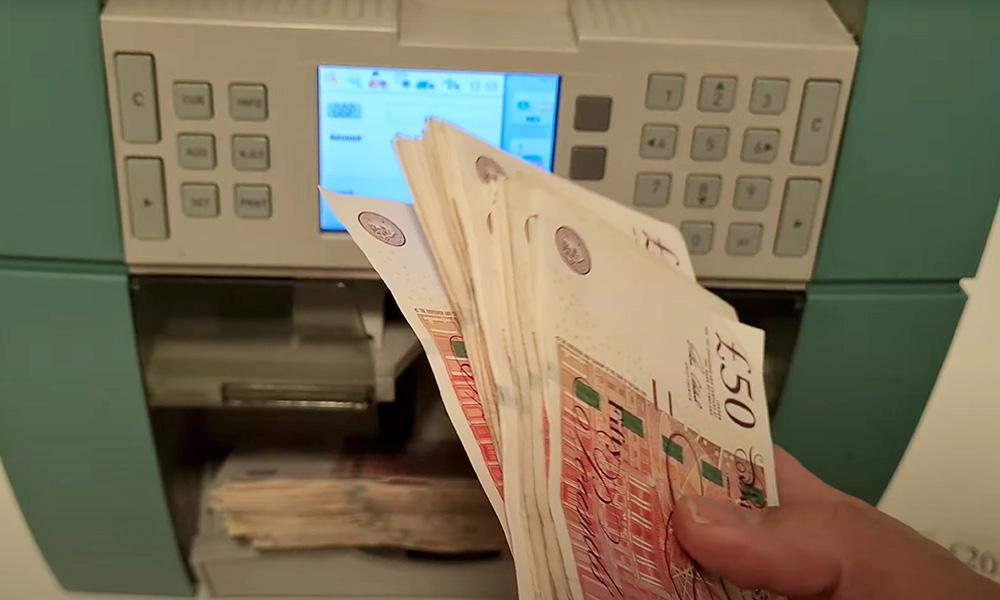
Currently, the Strait of Hormuz is almost completely blocked, disrupting this most important oil and gas transport route in the Middle East and causing a sharp rise in global energy prices. As a country heavily reliant on oil and gas imports and lacking sufficient gas storage facilities, the UK is particularly sensitive to rising energy prices.
Economists expect inflation to likely decline in April as government cuts to "green taxes" lead to a temporary drop in household energy bills. However, if the war continues, consumer prices are likely to rise significantly thereafter.
Deutsche Bank’s chief UK economist, Sanjay Raja, warned on Wednesday: “Be prepared for a shock.” He said that from now on, “inflation will take another unwelcome turn.”
Suren Thiru, chief economist at the Institute of Chartered Accountants in the UK, also pointed out that "a brutal surge in inflation is on the horizon." In an email comment, he stated, " The unchanged inflation rate in February is merely an illusion for the economy, as these figures were collected before the Middle East conflict triggered a severe energy shock, and consumers and businesses are about to face serious financial pressures. "
He added, "While inflation should temporarily fall next month due to green tax cuts and lower energy bills, a brutal inflation surge is looming as oil and gas costs soar, with overall inflation expected to exceed 4% by summer ."
Although the war completely rewrote Britain's inflation expectations, its inflation rate was already significantly higher than that of its continental European neighbors before the war.
Previously, the market widely expected that UK inflation would gradually fall back to the Bank of England's 2% target level this year, thus providing room for the central bank to cut interest rates. However, the outbreak of the war with Iran has temporarily ended this expectation. Economists believe that the Bank of England is likely to keep the benchmark interest rate unchanged at 3.75%, and may even raise rates again due to a deteriorating inflation outlook.
Zara Nokes, global markets analyst at Morgan Asset Management, said the latest UK inflation data was "actually old news, and the market's focus has shifted to the aftermath of the Middle East conflict." She added, "Nevertheless, today's higher-than-expected core inflation rate will still worry the Bank of England, as it suggests that price pressures remain sticky even before considering the recent surge in energy prices."
However, she also pointed out that while the energy shock will put upward pressure on inflation in the next two quarters, "we are unlikely to see an inflation surge of the scale seen after the Russia-Ukraine conflict in 2022."
She stated, "We are now in a completely different environment, with a much weaker labor market. Therefore, the likelihood of workers demanding significant wage increases due to rising living costs and further pushing up price pressures is much lower." Based on this assessment, she advised the Bank of England to keep interest rates unchanged rather than raise them.
Last week, the Bank of England's Monetary Policy Committee unanimously decided to keep the benchmark interest rate unchanged. The committee noted: "The conflict in the Middle East has led to a significant increase in global energy and other commodity prices, which will directly affect fuel and utility prices for households and indirectly affect business costs."
The Bank of England warned: "Price and wage inflationary pressures had been easing prior to this. However, due to this new economic shock, the consumer price index inflation rate will rise in the short term."
The Bank of England also stated that its policymakers are "highly vigilant about the risk of a second round of effects from domestic inflationary pressures through wage and price settings, a risk that will increase the longer energy prices remain high."
ING economist James Smith said, "Given current oil and gas price levels, we believe the threshold for a Bank of England rate hike is far from being reached." He added, "Admittedly, no one knows exactly where the real threshold for a rate hike is, and last week's meeting didn't provide many clues. But research by the Bank of England last summer showed that when overall inflation exceeds 3.5%-4%, the second-round effect tends to become more pronounced. This is a useful warning line."
According to ING's forecast, based on current energy prices, the UK inflation rate may briefly peak at 4% in the autumn. If ING's baseline scenario holds, where energy supply disruptions begin to ease in the second quarter and energy prices gradually decline, then the inflation rate could peak at 3.5% in September.
UK inflation remained stable in February, but this was the last data point before the outbreak of the Middle East conflict. The continued blockade of the Strait of Hormuz and the sharp fluctuations in energy prices have created significant upside risks for future UK inflation. The Bank of England now faces a difficult choice: to address a potential rebound in inflation while also considering a weak labor market and economic growth pressures.
In the coming months, UK inflation will be highly dependent on the evolution of the Middle East conflict. If the war drags on, the UK may face stagflationary pressures, further limiting the Bank of England's monetary policy space. Investors need to closely monitor energy price movements, subsequent statements from the Bank of England, and developments in Middle East diplomacy.
Grant Fitzner, chief economist at the UK Office for National Statistics, said on the X platform: “The annual inflation rate remained unchanged in February after slowing last month. The main driver of inflation was clothing prices, which rose this month, compared to a decline in the same period last year.” He added: “This effect was offset by a drop in petrol prices, as the price data was collected before the outbreak of the conflict in the Middle East and the subsequent rise in crude oil prices.”
This inflation data covers the last full month before the US and Israel launched airstrikes against Iran at the end of February.
Middle East conflict drives up energy prices, posing significant risks to the UK.
Currently, the Strait of Hormuz is almost completely blocked, disrupting this most important oil and gas transport route in the Middle East and causing a sharp rise in global energy prices. As a country heavily reliant on oil and gas imports and lacking sufficient gas storage facilities, the UK is particularly sensitive to rising energy prices.
Economists expect inflation to likely decline in April as government cuts to "green taxes" lead to a temporary drop in household energy bills. However, if the war continues, consumer prices are likely to rise significantly thereafter.
Deutsche Bank’s chief UK economist, Sanjay Raja, warned on Wednesday: “Be prepared for a shock.” He said that from now on, “inflation will take another unwelcome turn.”
Suren Thiru, chief economist at the Institute of Chartered Accountants in the UK, also pointed out that "a brutal surge in inflation is on the horizon." In an email comment, he stated, " The unchanged inflation rate in February is merely an illusion for the economy, as these figures were collected before the Middle East conflict triggered a severe energy shock, and consumers and businesses are about to face serious financial pressures. "
He added, "While inflation should temporarily fall next month due to green tax cuts and lower energy bills, a brutal inflation surge is looming as oil and gas costs soar, with overall inflation expected to exceed 4% by summer ."
The Bank of England faces a policy dilemma.
Although the war completely rewrote Britain's inflation expectations, its inflation rate was already significantly higher than that of its continental European neighbors before the war.
Previously, the market widely expected that UK inflation would gradually fall back to the Bank of England's 2% target level this year, thus providing room for the central bank to cut interest rates. However, the outbreak of the war with Iran has temporarily ended this expectation. Economists believe that the Bank of England is likely to keep the benchmark interest rate unchanged at 3.75%, and may even raise rates again due to a deteriorating inflation outlook.
Zara Nokes, global markets analyst at Morgan Asset Management, said the latest UK inflation data was "actually old news, and the market's focus has shifted to the aftermath of the Middle East conflict." She added, "Nevertheless, today's higher-than-expected core inflation rate will still worry the Bank of England, as it suggests that price pressures remain sticky even before considering the recent surge in energy prices."
However, she also pointed out that while the energy shock will put upward pressure on inflation in the next two quarters, "we are unlikely to see an inflation surge of the scale seen after the Russia-Ukraine conflict in 2022."
She stated, "We are now in a completely different environment, with a much weaker labor market. Therefore, the likelihood of workers demanding significant wage increases due to rising living costs and further pushing up price pressures is much lower." Based on this assessment, she advised the Bank of England to keep interest rates unchanged rather than raise them.
The Bank of England's latest statement warns of a potential second wave of inflation.
Last week, the Bank of England's Monetary Policy Committee unanimously decided to keep the benchmark interest rate unchanged. The committee noted: "The conflict in the Middle East has led to a significant increase in global energy and other commodity prices, which will directly affect fuel and utility prices for households and indirectly affect business costs."
The Bank of England warned: "Price and wage inflationary pressures had been easing prior to this. However, due to this new economic shock, the consumer price index inflation rate will rise in the short term."
The Bank of England also stated that its policymakers are "highly vigilant about the risk of a second round of effects from domestic inflationary pressures through wage and price settings, a risk that will increase the longer energy prices remain high."
ING economist James Smith said, "Given current oil and gas price levels, we believe the threshold for a Bank of England rate hike is far from being reached." He added, "Admittedly, no one knows exactly where the real threshold for a rate hike is, and last week's meeting didn't provide many clues. But research by the Bank of England last summer showed that when overall inflation exceeds 3.5%-4%, the second-round effect tends to become more pronounced. This is a useful warning line."
According to ING's forecast, based on current energy prices, the UK inflation rate may briefly peak at 4% in the autumn. If ING's baseline scenario holds, where energy supply disruptions begin to ease in the second quarter and energy prices gradually decline, then the inflation rate could peak at 3.5% in September.
Overall Outlook
UK inflation remained stable in February, but this was the last data point before the outbreak of the Middle East conflict. The continued blockade of the Strait of Hormuz and the sharp fluctuations in energy prices have created significant upside risks for future UK inflation. The Bank of England now faces a difficult choice: to address a potential rebound in inflation while also considering a weak labor market and economic growth pressures.
In the coming months, UK inflation will be highly dependent on the evolution of the Middle East conflict. If the war drags on, the UK may face stagflationary pressures, further limiting the Bank of England's monetary policy space. Investors need to closely monitor energy price movements, subsequent statements from the Bank of England, and developments in Middle East diplomacy.
- Risk Warning and Disclaimer
- The market involves risk, and trading may not be suitable for all investors. This article is for reference only and does not constitute personal investment advice, nor does it take into account certain users’ specific investment objectives, financial situation, or other needs. Any investment decisions made based on this information are at your own risk.