The US Treasury Secretary stated that the Federal Reserve's independence is facing challenges, drawing on the Bank of England's model.
2026-03-26 15:16:26
U.S. Treasury Secretary Scott Bessent recently made a significant policy recommendation, calling for a move similar to the Bank of England's model to strengthen the Treasury's oversight of the Federal Reserve.
This statement quickly sparked widespread attention and heated debate in financial markets and policy circles. Against the backdrop of the ongoing conflict with Iran, which continues to drive up global energy prices and escalating inflationary pressures, Bessant's proposal is seen as a major test of the Federal Reserve's long-held principle of independence.
Bessant stated that the United States should learn from the UK's institutional arrangements, with the Treasury participating in the formulation and supervision of the Federal Reserve's monetary policy through a more direct and formal mechanism. He believes that the current lack of sufficient coordination between fiscal and monetary policies has led to a significant inefficiency in the US's overall response to economic shocks. The core of the Bank of England model is that the Chancellor of the Exchequer can make policy recommendations to the central bank when necessary, while achieving policy coordination through a regular communication mechanism between the Treasury and the central bank, while still maintaining the central bank's independence in day-to-day operations.
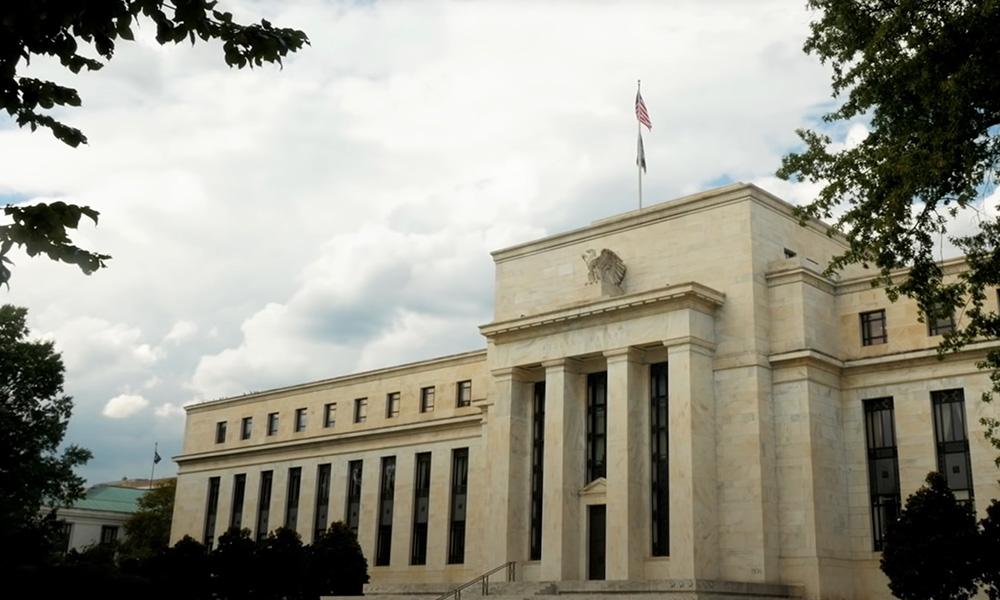
He clearly pointed out that this model can achieve a better balance between fiscal and monetary policies while maintaining the central bank's professionalism.
Since its establishment in 1913, the Federal Reserve's independence has been a core feature of the U.S. monetary policy system. By law, the Fed can independently set interest rate policies without congressional or presidential approval, basing its decisions primarily on economic data and professional judgment, rather than short-term political needs. This system is designed to prevent the government from manipulating monetary policy for electoral gain and to avoid runaway inflation or an overheated economy.
However, in recent years, with the continued expansion of the US fiscal deficit, the significant increase in geopolitical risks, and the increasingly prominent role of the Federal Reserve in responding to the pandemic and managing inflation, the debate over whether the Federal Reserve's independence is still fully adapted to the needs of the current era has intensified.
Bessant's proposal was put forward against this backdrop. He argued that in the face of multiple challenges such as high oil prices, inflationary pressures, and slowing economic growth, a completely isolated central bank model might struggle to achieve optimal policy results. By strengthening oversight by the Treasury Department, fiscal expansion and monetary policy could be better coordinated, avoiding policy inefficiencies caused by the two operating independently.
Supporters argue that this reform will improve policy coordination efficiency, especially given the current volatility in global energy prices, where close cooperation between the Treasury and the Federal Reserve can lead to more comprehensive responses. Opponents, however, strongly worry that increased Treasury oversight could undermine the Federal Reserve's independence and cause monetary policy to be hijacked by short-term political objectives.
Historically, central bank independence has been considered a crucial institutional guarantee for controlling inflation and maintaining financial stability. If the Treasury Department gains too much influence, the Federal Reserve may be forced to adopt overly accommodative policies during election cycles, which, in the long run, will damage its credibility and could trigger distrust in the capital markets.
The financial markets reacted cautiously to the news. US stocks saw slight fluctuations, and the 10-year Treasury yield rose slightly, reflecting investor concerns about a potential erosion of the Federal Reserve's independence.
Analysts point out that if the proposal is ultimately translated into actual policy, the transparency and predictability of the Federal Reserve's decisions may be tested, and the political risk premium included in long-term Treasury yields may rise.
While Bessant's proposal is unlikely to be fully implemented in the short term, it has injected new dimensions into the discussion of the Federal Reserve's independence. Amidst energy price volatility triggered by the Iran war and heightened global economic uncertainty, balancing central bank independence with the coordination of fiscal and monetary policies has become a crucial test of decision-making wisdom.
Whether this suggestion can be translated into actual institutional adjustments remains to be seen, requiring multiple procedures including congressional hearings and legal amendments, and will inevitably face strong resistance from within the Federal Reserve and academia. However, the discussion itself indicates that the US monetary policy framework is undergoing a significant period of reflection. For investors, it is crucial to closely monitor subsequent policy developments and assess in advance the impact of potential institutional changes on financial markets.
Overall, Bessant's proposal reflects the practical need for policy coordination in the current complex economic environment, but also highlights the importance of maintaining the Federal Reserve's independence. Whether the Fed can continue to maintain its "political firewall" will not only affect the stability of the US domestic economy, but will also profoundly impact the confidence and expectations of global financial markets. This topic will continue to be a focus of market attention for some time to come.
This statement quickly sparked widespread attention and heated debate in financial markets and policy circles. Against the backdrop of the ongoing conflict with Iran, which continues to drive up global energy prices and escalating inflationary pressures, Bessant's proposal is seen as a major test of the Federal Reserve's long-held principle of independence.
The core of Bessant's proposal is to achieve better coordination between fiscal and monetary policies.
Bessant stated that the United States should learn from the UK's institutional arrangements, with the Treasury participating in the formulation and supervision of the Federal Reserve's monetary policy through a more direct and formal mechanism. He believes that the current lack of sufficient coordination between fiscal and monetary policies has led to a significant inefficiency in the US's overall response to economic shocks. The core of the Bank of England model is that the Chancellor of the Exchequer can make policy recommendations to the central bank when necessary, while achieving policy coordination through a regular communication mechanism between the Treasury and the central bank, while still maintaining the central bank's independence in day-to-day operations.
He clearly pointed out that this model can achieve a better balance between fiscal and monetary policies while maintaining the central bank's professionalism.
The Federal Reserve's tradition of independence faces real challenges.
Since its establishment in 1913, the Federal Reserve's independence has been a core feature of the U.S. monetary policy system. By law, the Fed can independently set interest rate policies without congressional or presidential approval, basing its decisions primarily on economic data and professional judgment, rather than short-term political needs. This system is designed to prevent the government from manipulating monetary policy for electoral gain and to avoid runaway inflation or an overheated economy.
However, in recent years, with the continued expansion of the US fiscal deficit, the significant increase in geopolitical risks, and the increasingly prominent role of the Federal Reserve in responding to the pandemic and managing inflation, the debate over whether the Federal Reserve's independence is still fully adapted to the needs of the current era has intensified.
Bessant's proposal was put forward against this backdrop. He argued that in the face of multiple challenges such as high oil prices, inflationary pressures, and slowing economic growth, a completely isolated central bank model might struggle to achieve optimal policy results. By strengthening oversight by the Treasury Department, fiscal expansion and monetary policy could be better coordinated, avoiding policy inefficiencies caused by the two operating independently.
Supporters and opponents coexist, with the focus of the controversy being the boundaries of independence.
Supporters argue that this reform will improve policy coordination efficiency, especially given the current volatility in global energy prices, where close cooperation between the Treasury and the Federal Reserve can lead to more comprehensive responses. Opponents, however, strongly worry that increased Treasury oversight could undermine the Federal Reserve's independence and cause monetary policy to be hijacked by short-term political objectives.
Historically, central bank independence has been considered a crucial institutional guarantee for controlling inflation and maintaining financial stability. If the Treasury Department gains too much influence, the Federal Reserve may be forced to adopt overly accommodative policies during election cycles, which, in the long run, will damage its credibility and could trigger distrust in the capital markets.
The market reacted cautiously, with investors focusing on policy uncertainties.
The financial markets reacted cautiously to the news. US stocks saw slight fluctuations, and the 10-year Treasury yield rose slightly, reflecting investor concerns about a potential erosion of the Federal Reserve's independence.
Analysts point out that if the proposal is ultimately translated into actual policy, the transparency and predictability of the Federal Reserve's decisions may be tested, and the political risk premium included in long-term Treasury yields may rise.
Overall Outlook
While Bessant's proposal is unlikely to be fully implemented in the short term, it has injected new dimensions into the discussion of the Federal Reserve's independence. Amidst energy price volatility triggered by the Iran war and heightened global economic uncertainty, balancing central bank independence with the coordination of fiscal and monetary policies has become a crucial test of decision-making wisdom.
Whether this suggestion can be translated into actual institutional adjustments remains to be seen, requiring multiple procedures including congressional hearings and legal amendments, and will inevitably face strong resistance from within the Federal Reserve and academia. However, the discussion itself indicates that the US monetary policy framework is undergoing a significant period of reflection. For investors, it is crucial to closely monitor subsequent policy developments and assess in advance the impact of potential institutional changes on financial markets.
Overall, Bessant's proposal reflects the practical need for policy coordination in the current complex economic environment, but also highlights the importance of maintaining the Federal Reserve's independence. Whether the Fed can continue to maintain its "political firewall" will not only affect the stability of the US domestic economy, but will also profoundly impact the confidence and expectations of global financial markets. This topic will continue to be a focus of market attention for some time to come.
- Risk Warning and Disclaimer
- The market involves risk, and trading may not be suitable for all investors. This article is for reference only and does not constitute personal investment advice, nor does it take into account certain users’ specific investment objectives, financial situation, or other needs. Any investment decisions made based on this information are at your own risk.