The fatal logic behind the strong-yet-weak trend in oil prices
2026-03-26 15:42:28
Since the joint US-Israel attack on Iran on February 28, the war in the Middle East has lasted for nearly four weeks, with the situation in a stalemate of "no results in talks and no end in fighting," while oil prices are also in a very chaotic and inexplicable state.
In the early stages of the conflict, Iran's Supreme Leader Ayatollah Ali Khamenei was killed in an airstrike, and his son Mojtaba succeeded him but was injured and retired. The changes in Iran's leadership further increased the uncertainty of the situation.
In retaliation, Iran launched attacks on Israel, US military bases in the Middle East, and Gulf states, escalating the offensive and defensive battles between the two sides.
The current stalemate centers on disagreements over ceasefire negotiations. The United States, through Pakistan, has submitted a 15-point ceasefire proposal to Iran, with key demands including reopening the Strait of Hormuz, removing Iran's stockpile of highly enriched uranium, limiting its ballistic missile program, and cutting off financial support to regional allies. However, White House spokeswoman Carolyn Levitt denied that the details of the proposal reported by the media were entirely true, only acknowledging that some of the content was credible.
Iran, on the other hand, explicitly rejected the "unilaterally imposed agreement" by the United States. Foreign Minister Abbas Arakchi emphasized that Iran only assessed the proposal and conveyed its position through intermediaries, and did not conduct formal negotiations with the United States. He also demanded that any ceasefire agreement must include Lebanon.
US President Trump countered that the Iranian leadership "desperately wants an agreement but dares not publicly acknowledge it," with the two sides' statements being seriously contradictory, and the Pakistan-mediated meeting plan has not yet made substantial progress.
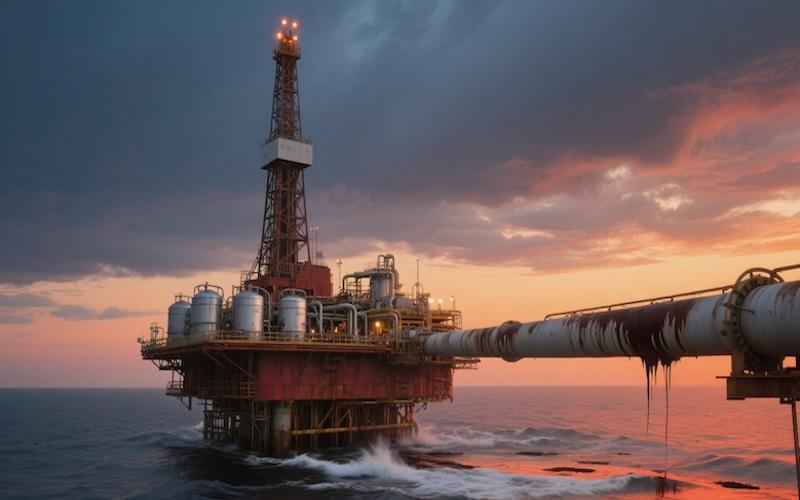
On the military front, the conflict continues to escalate. The Israeli military recently carried out large-scale strikes on infrastructure in several Iranian regions, while Iran launched missiles toward Israel. Missile and drone clashes in the Gulf region have never ceased.
U.S. Central Command Commander Brad Cooper revealed that the U.S. and Israel have struck more than 10,000 targets inside Iran, destroying 92% of Iran's large naval vessels and two-thirds of its missile and drone production facilities, significantly weakening Iran's ability to project power abroad.
Meanwhile, the Pentagon is planning to send thousands more airborne troops to the Gulf region, and two Marine Corps units are already en route and expected to arrive by the end of this month in preparation for a possible ground offensive.
The spillover effects of the conflict have swept the globe. The Strait of Hormuz, a vital waterway for transporting one-fifth of the world's oil and liquefied natural gas, is now effectively closed, triggering the most severe energy shock in history.
From airlines to retailers, businesses across the board are facing high costs and supply chain disruptions, with some countries even considering restarting economic support measures implemented during the COVID-19 pandemic.
The humanitarian crisis is also worsening. The World Food Programme estimates that if the fighting continues until June, tens of millions more people will fall into severe hunger, and farmers and fishermen are struggling to keep up with production due to diesel shortages.
Sultan Jaber, CEO of Abu Dhabi National Oil Company, stated bluntly that Iran's blockade of the Strait of Hormuz constitutes "economic terrorism," and that countries around the world are paying the price for energy shortages.
The international community is deeply concerned about the escalation of the situation. UN Secretary-General António Guterres warned that the world is facing the risk of regional wars expanding and called on all parties to stop the escalation of conflict and restart diplomatic consultations.
Opposition to the war is also rising in the United States. Polls show that 61% of Americans do not approve of a military strike against Iran, while only 35% support it.
For the Trump administration, a weak stock market, high gasoline prices, and its own low approval ratings have made it eager to control the situation before the November midterm elections. However, Israel's doubts about possible concessions from the United States in negotiations have further increased the difficulty of a ceasefire.
The global stock market rebound triggered by ceasefire expectations has quickly faded, and oil prices resumed their upward trend on Thursday.
The rebound indicates that the market is not very receptive to the progress of US-Iran negotiations. However, another problem arises: Trump has repeatedly stated that negotiations are underway, and coupled with an oil price drop of over 10% and the recent continued weakness in oil prices, we are forced to believe that, although Iran denies it, talks may indeed be taking place, even if we are unaware of it. If the US and Iran are indeed negotiating behind the scenes, oil prices may peak and fall sooner.
Taking WTI crude oil futures as an example from a technical perspective, 98.60 is a relatively important point to watch recently. At present, this support is a key starting point for the bulls. If oil prices fall back to this area, then the ambiguous situation of the war released by the fundamentals needs to be more inclined to the easing of the war.
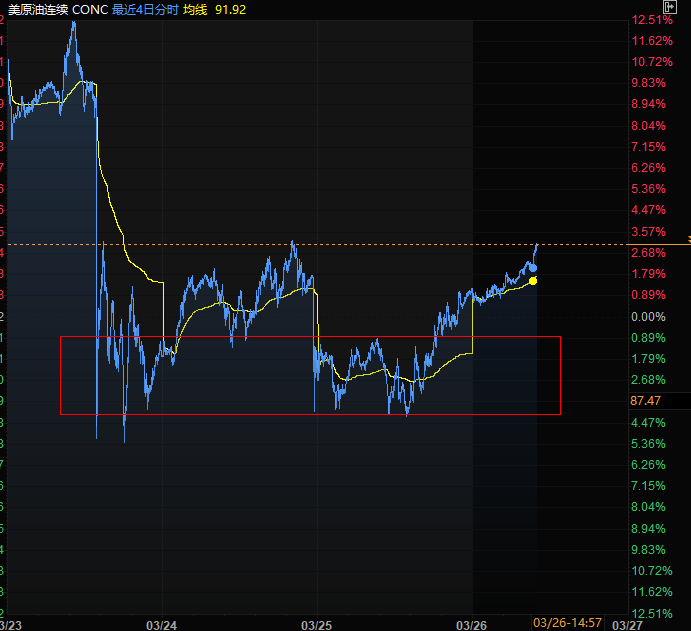
(WIT crude oil futures intraday chart, source: EasyForex subsidiary)
The resistance level is around the 95 mark, which is the most important dividing line between bullish and bearish sentiment in the near term. Before reaching 95, the market is more inclined to believe that the conflict will ease.
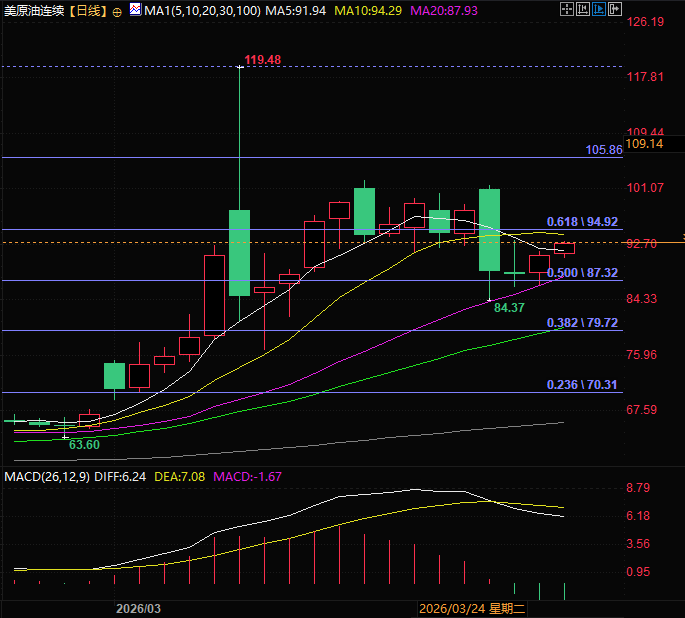
(WTI crude oil futures daily chart, source: FX678's subsidiary, EasyForex)
At 15:39 Beijing time, WTI crude oil futures were trading at $93.09 per barrel.
In the early stages of the conflict, Iran's Supreme Leader Ayatollah Ali Khamenei was killed in an airstrike, and his son Mojtaba succeeded him but was injured and retired. The changes in Iran's leadership further increased the uncertainty of the situation.
In retaliation, Iran launched attacks on Israel, US military bases in the Middle East, and Gulf states, escalating the offensive and defensive battles between the two sides.
The current stalemate centers on disagreements over ceasefire negotiations. The United States, through Pakistan, has submitted a 15-point ceasefire proposal to Iran, with key demands including reopening the Strait of Hormuz, removing Iran's stockpile of highly enriched uranium, limiting its ballistic missile program, and cutting off financial support to regional allies. However, White House spokeswoman Carolyn Levitt denied that the details of the proposal reported by the media were entirely true, only acknowledging that some of the content was credible.
Iran, on the other hand, explicitly rejected the "unilaterally imposed agreement" by the United States. Foreign Minister Abbas Arakchi emphasized that Iran only assessed the proposal and conveyed its position through intermediaries, and did not conduct formal negotiations with the United States. He also demanded that any ceasefire agreement must include Lebanon.
US President Trump countered that the Iranian leadership "desperately wants an agreement but dares not publicly acknowledge it," with the two sides' statements being seriously contradictory, and the Pakistan-mediated meeting plan has not yet made substantial progress.
Military confrontation continues to escalate, with the US and Israel significantly weakening Iran's military capabilities.
On the military front, the conflict continues to escalate. The Israeli military recently carried out large-scale strikes on infrastructure in several Iranian regions, while Iran launched missiles toward Israel. Missile and drone clashes in the Gulf region have never ceased.
U.S. Central Command Commander Brad Cooper revealed that the U.S. and Israel have struck more than 10,000 targets inside Iran, destroying 92% of Iran's large naval vessels and two-thirds of its missile and drone production facilities, significantly weakening Iran's ability to project power abroad.
Meanwhile, the Pentagon is planning to send thousands more airborne troops to the Gulf region, and two Marine Corps units are already en route and expected to arrive by the end of this month in preparation for a possible ground offensive.
The conflict has spilled over globally, triggering both energy and humanitarian crises.
The spillover effects of the conflict have swept the globe. The Strait of Hormuz, a vital waterway for transporting one-fifth of the world's oil and liquefied natural gas, is now effectively closed, triggering the most severe energy shock in history.
From airlines to retailers, businesses across the board are facing high costs and supply chain disruptions, with some countries even considering restarting economic support measures implemented during the COVID-19 pandemic.
The humanitarian crisis is also worsening. The World Food Programme estimates that if the fighting continues until June, tens of millions more people will fall into severe hunger, and farmers and fishermen are struggling to keep up with production due to diesel shortages.
Sultan Jaber, CEO of Abu Dhabi National Oil Company, stated bluntly that Iran's blockade of the Strait of Hormuz constitutes "economic terrorism," and that countries around the world are paying the price for energy shortages.
The international community is calling for a ceasefire, while domestic opposition in the United States is growing.
The international community is deeply concerned about the escalation of the situation. UN Secretary-General António Guterres warned that the world is facing the risk of regional wars expanding and called on all parties to stop the escalation of conflict and restart diplomatic consultations.
Opposition to the war is also rising in the United States. Polls show that 61% of Americans do not approve of a military strike against Iran, while only 35% support it.
For the Trump administration, a weak stock market, high gasoline prices, and its own low approval ratings have made it eager to control the situation before the November midterm elections. However, Israel's doubts about possible concessions from the United States in negotiations have further increased the difficulty of a ceasefire.
Summary and Technical Analysis:
The global stock market rebound triggered by ceasefire expectations has quickly faded, and oil prices resumed their upward trend on Thursday.
The rebound indicates that the market is not very receptive to the progress of US-Iran negotiations. However, another problem arises: Trump has repeatedly stated that negotiations are underway, and coupled with an oil price drop of over 10% and the recent continued weakness in oil prices, we are forced to believe that, although Iran denies it, talks may indeed be taking place, even if we are unaware of it. If the US and Iran are indeed negotiating behind the scenes, oil prices may peak and fall sooner.
Taking WTI crude oil futures as an example from a technical perspective, 98.60 is a relatively important point to watch recently. At present, this support is a key starting point for the bulls. If oil prices fall back to this area, then the ambiguous situation of the war released by the fundamentals needs to be more inclined to the easing of the war.
(WIT crude oil futures intraday chart, source: EasyForex subsidiary)
The resistance level is around the 95 mark, which is the most important dividing line between bullish and bearish sentiment in the near term. Before reaching 95, the market is more inclined to believe that the conflict will ease.
(WTI crude oil futures daily chart, source: FX678's subsidiary, EasyForex)
At 15:39 Beijing time, WTI crude oil futures were trading at $93.09 per barrel.
- Risk Warning and Disclaimer
- The market involves risk, and trading may not be suitable for all investors. This article is for reference only and does not constitute personal investment advice, nor does it take into account certain users’ specific investment objectives, financial situation, or other needs. Any investment decisions made based on this information are at your own risk.