Trump's approval rating has fallen to a new low of 36%. Should he negotiate with Iran to withdraw troops or escalate the confrontation?
2026-03-30 14:51:07
The conflict between the United States and Iran has lasted for a full month, and President Trump is facing a difficult strategic choice: accept a potentially flawed agreement and withdraw as soon as possible, or escalate military action further, risking a protracted conflict. This choice not only concerns regional stability but also directly impacts the trajectory of Trump's entire presidency.
The White House hopes to end the war through negotiations, but military pressure continues and diplomatic channels face numerous obstacles. Experts point out that Trump's current options are almost all "bad choices."
A month into the conflict with Iran, Trump must decide whether to reach a potentially flawed agreement and withdraw as soon as possible, or escalate military action, risking a protracted conflict that could jeopardize his entire presidency.
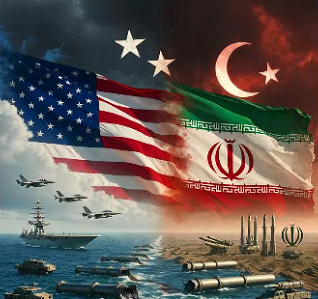
A senior White House official revealed that Trump has made it clear to aides that he wants to avoid a "never-ending war" and seeks to withdraw from the conflict through negotiations. He also urged his team to continue emphasizing the previously publicly stated timeline of four to six weeks of hostilities. However, the official added that this timeline now appears "unstable."
Trump also threatened to escalate military action significantly if negotiations failed.
Jonathan Panikoff, former U.S. Deputy National Intelligence Officer in charge of Middle East affairs, said: "President Trump faces a lot of bad choices in ending this war. Part of the challenge is that there is no clear definition of what constitutes a satisfactory outcome."
Trump is sending thousands more US troops to the Middle East and has warned Iran that it will face a more intense offensive, which could include the use of ground troops, if it does not yield to his demands.
This show of force is intended to pressure Tehran into making concessions, but analysts point out that it risks drawing the United States into a more protracted conflict. Any move to send ground troops into Iran could anger many American voters.
Another possible scenario is that the US launches a final large-scale airstrike in Operation Epic Fury to further weaken Iran's military capabilities and nuclear facilities, after which Trump declares victory and withdraws, claiming the war's objectives have been achieved. However, experts believe that such a claim will sound hollow and unconvincing if the crucial Strait of Hormuz is not fully reopened, and Iran has so far refused to allow passage through the strait.
Trump has repeatedly vowed to keep the United States out of overseas conflicts, but now appears to be struggling with an escalating war he and Israel have started together.
Despite Trump's insistence on Thursday that Iran was "begging" for a deal, analysts point out that Iranian authorities do not seem in a hurry to end the conflict through negotiations, believing that as long as they can weather the crisis, they can declare victory.
The fact that some of the leaders killed in the US-Israeli airstrikes have been replaced by more hardline successors complicates any diplomatic efforts. Iran's rulers have made it clear they do not trust Trump. Trump launched two airstrikes in the past year while negotiations were still ongoing.
Furthermore, Israeli officials have expressed unease, fearing that Trump might make concessions that could tie their hands on future actions against Iran. Gulf allies may also be resentful, as a hasty U.S. withdrawal would leave them with a wounded yet still hostile neighbor.
Overall, the month-long conflict with Iran has put Trump in a dilemma: negotiating a troop withdrawal could be seen as weakness, while escalating military action carries enormous risks. Military pressure continues, diplomatic channels are fraught with obstacles, and the global energy supply disruption caused by the blockade of the Strait of Hormuz has further exacerbated concerns about a protracted conflict.
Trump's approval rating has plummeted to a record low of 36%, indicating rapidly accumulating domestic political pressure. His final decision in the coming days will directly determine the course of this conflict and the long-term position of the United States in the Middle East.
If the war with Iran continues for a long time, it will have multiple serious adverse effects on Trump.
First, his political approval rating has declined significantly. According to the latest polls, Trump's overall approval rating has fallen to 36%, a new low since his return to the White House. A protracted war is easily labeled a "selective war" by critics, further weakening his domestic support base.
Secondly, voters are deeply weary of overseas military conflicts. Any large-scale deployment of ground troops could trigger a strong backlash, especially with the midterm elections approaching, as Republican lawmakers have begun to express concerns about the election prospects, and the White House is increasingly anxious about the political consequences.
Third, there is immense economic pressure. The continued blockade of the Strait of Hormuz has led to a sharp rise in Brent crude oil prices, and global inflation risks and recessionary expectations are constantly rising. These negative impacts will directly affect domestic prices and employment in the United States, damaging Trump's "economy first" governing image.
Fourth, international alliances may be strained. Gulf states worry that a hasty U.S. withdrawal will leave behind a wounded but still threatening Iran, while Israel fears that Trump's concessions will limit its future room for maneuver. Discontent among allies will weaken the U.S.'s overall influence in the Middle East.
Finally, from Trump's personal governance perspective, a "never-ending war" is seriously at odds with his repeated commitment to "avoiding overseas conflicts," and could become a major drag on his entire presidency, even affecting the Republican political landscape after 2028.
In summary, the longer the war drags on, the greater the domestic political, economic, and diplomatic pressure Trump will face, and the less room for maneuver he will have.
The White House hopes to end the war through negotiations, but military pressure continues and diplomatic channels face numerous obstacles. Experts point out that Trump's current options are almost all "bad choices."
Trump faces a dilemma: end the war or escalate it further.
A month into the conflict with Iran, Trump must decide whether to reach a potentially flawed agreement and withdraw as soon as possible, or escalate military action, risking a protracted conflict that could jeopardize his entire presidency.
A senior White House official revealed that Trump has made it clear to aides that he wants to avoid a "never-ending war" and seeks to withdraw from the conflict through negotiations. He also urged his team to continue emphasizing the previously publicly stated timeline of four to six weeks of hostilities. However, the official added that this timeline now appears "unstable."
Trump also threatened to escalate military action significantly if negotiations failed.
Jonathan Panikoff, former U.S. Deputy National Intelligence Officer in charge of Middle East affairs, said: "President Trump faces a lot of bad choices in ending this war. Part of the challenge is that there is no clear definition of what constitutes a satisfactory outcome."
The conflict continues to escalate, and the risk of escalation is becoming increasingly difficult to control.
Trump is sending thousands more US troops to the Middle East and has warned Iran that it will face a more intense offensive, which could include the use of ground troops, if it does not yield to his demands.
This show of force is intended to pressure Tehran into making concessions, but analysts point out that it risks drawing the United States into a more protracted conflict. Any move to send ground troops into Iran could anger many American voters.
Another possible scenario is that the US launches a final large-scale airstrike in Operation Epic Fury to further weaken Iran's military capabilities and nuclear facilities, after which Trump declares victory and withdraws, claiming the war's objectives have been achieved. However, experts believe that such a claim will sound hollow and unconvincing if the crucial Strait of Hormuz is not fully reopened, and Iran has so far refused to allow passage through the strait.
Trump has repeatedly vowed to keep the United States out of overseas conflicts, but now appears to be struggling with an escalating war he and Israel have started together.
Diplomatic efforts face numerous obstacles, and Iran's suspicions remain.
Despite Trump's insistence on Thursday that Iran was "begging" for a deal, analysts point out that Iranian authorities do not seem in a hurry to end the conflict through negotiations, believing that as long as they can weather the crisis, they can declare victory.
The fact that some of the leaders killed in the US-Israeli airstrikes have been replaced by more hardline successors complicates any diplomatic efforts. Iran's rulers have made it clear they do not trust Trump. Trump launched two airstrikes in the past year while negotiations were still ongoing.
Furthermore, Israeli officials have expressed unease, fearing that Trump might make concessions that could tie their hands on future actions against Iran. Gulf allies may also be resentful, as a hasty U.S. withdrawal would leave them with a wounded yet still hostile neighbor.
In summary, Trump's options are becoming increasingly limited.
Overall, the month-long conflict with Iran has put Trump in a dilemma: negotiating a troop withdrawal could be seen as weakness, while escalating military action carries enormous risks. Military pressure continues, diplomatic channels are fraught with obstacles, and the global energy supply disruption caused by the blockade of the Strait of Hormuz has further exacerbated concerns about a protracted conflict.
Trump's approval rating has plummeted to a record low of 36%, indicating rapidly accumulating domestic political pressure. His final decision in the coming days will directly determine the course of this conflict and the long-term position of the United States in the Middle East.
Analysis of the negative factors for Trump from a prolonged war.
If the war with Iran continues for a long time, it will have multiple serious adverse effects on Trump.
First, his political approval rating has declined significantly. According to the latest polls, Trump's overall approval rating has fallen to 36%, a new low since his return to the White House. A protracted war is easily labeled a "selective war" by critics, further weakening his domestic support base.
Secondly, voters are deeply weary of overseas military conflicts. Any large-scale deployment of ground troops could trigger a strong backlash, especially with the midterm elections approaching, as Republican lawmakers have begun to express concerns about the election prospects, and the White House is increasingly anxious about the political consequences.
Third, there is immense economic pressure. The continued blockade of the Strait of Hormuz has led to a sharp rise in Brent crude oil prices, and global inflation risks and recessionary expectations are constantly rising. These negative impacts will directly affect domestic prices and employment in the United States, damaging Trump's "economy first" governing image.
Fourth, international alliances may be strained. Gulf states worry that a hasty U.S. withdrawal will leave behind a wounded but still threatening Iran, while Israel fears that Trump's concessions will limit its future room for maneuver. Discontent among allies will weaken the U.S.'s overall influence in the Middle East.
Finally, from Trump's personal governance perspective, a "never-ending war" is seriously at odds with his repeated commitment to "avoiding overseas conflicts," and could become a major drag on his entire presidency, even affecting the Republican political landscape after 2028.
In summary, the longer the war drags on, the greater the domestic political, economic, and diplomatic pressure Trump will face, and the less room for maneuver he will have.
- Risk Warning and Disclaimer
- The market involves risk, and trading may not be suitable for all investors. This article is for reference only and does not constitute personal investment advice, nor does it take into account certain users’ specific investment objectives, financial situation, or other needs. Any investment decisions made based on this information are at your own risk.