The Fed interprets oil price risks and clarifies key trading signals in one go.
2026-04-03 17:14:32
New York Fed President John Williams, along with several other Fed officials, issued a series of statements, providing a comprehensive assessment of the impact of the surge in oil prices triggered by the Iranian geopolitical conflict on the US economy. They clarified that current inflation and employment risks are approaching equilibrium, and the Fed tends to maintain interest rates unchanged. They also revealed key directions for subsequent policy assessments and market monitoring.
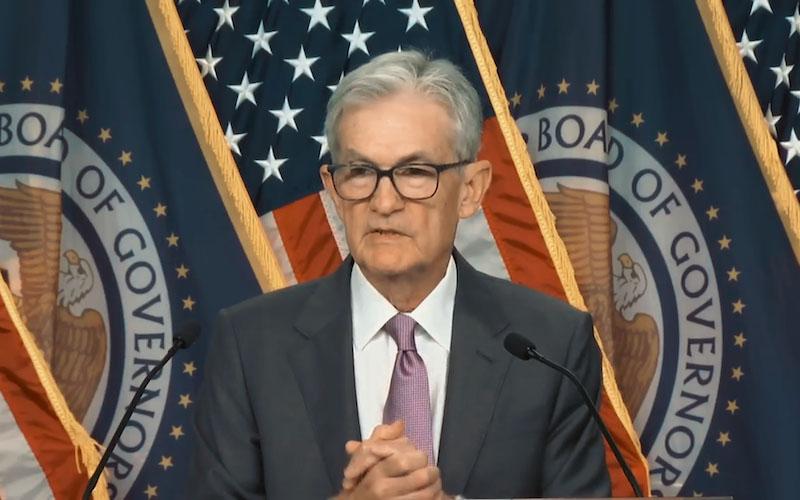
New York Fed President Williams clearly stated that the risks posed by high energy prices to inflation and employment are now balanced. Combining previous policy actions with the current monetary policy stance, the Fed's policy is in a position to balance these risks, thus supporting maintaining stable interest rates (the Fed kept interest rates unchanged last month).
Federal Reserve Chairman Jerome Powell also stated that the current monetary policy is in a suitable position to effectively assess the impact of the situation in Iran on the U.S. economy.
Dallas Fed President Logan pointed out that geopolitical conflicts simultaneously increase the dual risks of inflation and a weak labor market, significantly increasing uncertainty about the economic outlook and making the Fed's policy choices more complex.
Williams also emphasized that the Federal Reserve's decisions must be forward-looking, as there is a significant time lag in the transmission of monetary policy, and interest rates will not be adjusted hastily due to short-term oil price fluctuations.
In his speech, Williams made it clear that the impact of the conflict in Iran will be transmitted to the economy through three core pathways: oil prices, financial market environment, and asset prices. At the same time, rising market uncertainty will further suppress economic performance.
In terms of specific impacts, the transmission effect of rising oil prices will last for months or even a year. It will not only directly push up gasoline prices in the United States, but will also spread to the entire industry chain, including air tickets, manufacturing, and packaging. This will both push up inflation and squeeze household disposable income and suppress end-user demand.
However, he also mentioned that the United States' dependence on imported crude oil has decreased significantly, and the economy has a certain degree of resilience. Short-term oil price fluctuations are unlikely to change the economic fundamentals, but they will significantly disrupt short-term inflation expectations. The Federal Reserve will focus on assessing the sustainability of price changes in the future.
Recent redemption restrictions imposed by investment banks such as Goldman Sachs and Blackstone, as well as in the private lending sector, have led to a decline in the equity market and raised concerns. Williams has given a clear assessment of the risks in the private lending sector that are of concern to the market.
He stated that the losses incurred in the non-bank financing sector due to early redemptions by investors are essentially a repricing of the underlying credit assets and will not pose a systemic risk to the US financial system. Furthermore, the relevant private credit funds do not possess the "too big to fail" characteristic.
At the same time, the Federal Reserve is closely monitoring the banking sector's risk exposure in this area to prevent the spread of localized risks.
Based on the clues released by the recent flurry of speeches by Federal Reserve officials, market trading can focus on key dimensions that the Fed is concerned about: First, crude oil and refined oil prices, closely monitoring the trends of WTI crude oil and Brent crude oil and the average gasoline price across the United States, which are the primary basis for the Fed to assess upward inflationary pressures.
Second, inflation and inflation expectations indicators, focusing on tracking CPI, PCE energy sub-item and short-term inflation expectations to determine whether the oil price shock is a temporary disturbance or a trend change;
Third, key labor market data, focusing on the unemployment rate, non-farm payroll structure, and hourly wage growth, are crucial to guard against the risk of stagflation. This is the core basis for the Fed's dual mandate and also verifies the so-called equilibrium range in the Fed's view.
Fourth, financial market and credit risk indicators, focusing on changes in the US Treasury yield curve, credit spreads, and liquidity in the private lending sector, in line with the Fed's monitoring direction for financial stability.
Fifth, CME interest rate futures pricing allows for timely capture of policy expectation shifts by addressing changes in market pricing of the Federal Reserve's interest rate path.
The Federal Reserve collectively set the tone: energy risks are balanced, and monetary policy will remain unchanged for the time being.
New York Fed President Williams clearly stated that the risks posed by high energy prices to inflation and employment are now balanced. Combining previous policy actions with the current monetary policy stance, the Fed's policy is in a position to balance these risks, thus supporting maintaining stable interest rates (the Fed kept interest rates unchanged last month).
Federal Reserve Chairman Jerome Powell also stated that the current monetary policy is in a suitable position to effectively assess the impact of the situation in Iran on the U.S. economy.
Dallas Fed President Logan pointed out that geopolitical conflicts simultaneously increase the dual risks of inflation and a weak labor market, significantly increasing uncertainty about the economic outlook and making the Fed's policy choices more complex.
Williams also emphasized that the Federal Reserve's decisions must be forward-looking, as there is a significant time lag in the transmission of monetary policy, and interest rates will not be adjusted hastily due to short-term oil price fluctuations.
Geopolitical shock transmission pathways: The Fed identifies three main observation lines
In his speech, Williams made it clear that the impact of the conflict in Iran will be transmitted to the economy through three core pathways: oil prices, financial market environment, and asset prices. At the same time, rising market uncertainty will further suppress economic performance.
In terms of specific impacts, the transmission effect of rising oil prices will last for months or even a year. It will not only directly push up gasoline prices in the United States, but will also spread to the entire industry chain, including air tickets, manufacturing, and packaging. This will both push up inflation and squeeze household disposable income and suppress end-user demand.
However, he also mentioned that the United States' dependence on imported crude oil has decreased significantly, and the economy has a certain degree of resilience. Short-term oil price fluctuations are unlikely to change the economic fundamentals, but they will significantly disrupt short-term inflation expectations. The Federal Reserve will focus on assessing the sustainability of price changes in the future.
Private lending risk assessment: No systemic risk; the Fed continues to monitor exposure.
Recent redemption restrictions imposed by investment banks such as Goldman Sachs and Blackstone, as well as in the private lending sector, have led to a decline in the equity market and raised concerns. Williams has given a clear assessment of the risks in the private lending sector that are of concern to the market.
He stated that the losses incurred in the non-bank financing sector due to early redemptions by investors are essentially a repricing of the underlying credit assets and will not pose a systemic risk to the US financial system. Furthermore, the relevant private credit funds do not possess the "too big to fail" characteristic.
At the same time, the Federal Reserve is closely monitoring the banking sector's risk exposure in this area to prevent the spread of localized risks.
The Fed has made it clear that traders need to closely monitor the following key indicators.
Based on the clues released by the recent flurry of speeches by Federal Reserve officials, market trading can focus on key dimensions that the Fed is concerned about: First, crude oil and refined oil prices, closely monitoring the trends of WTI crude oil and Brent crude oil and the average gasoline price across the United States, which are the primary basis for the Fed to assess upward inflationary pressures.
Second, inflation and inflation expectations indicators, focusing on tracking CPI, PCE energy sub-item and short-term inflation expectations to determine whether the oil price shock is a temporary disturbance or a trend change;
Third, key labor market data, focusing on the unemployment rate, non-farm payroll structure, and hourly wage growth, are crucial to guard against the risk of stagflation. This is the core basis for the Fed's dual mandate and also verifies the so-called equilibrium range in the Fed's view.
Fourth, financial market and credit risk indicators, focusing on changes in the US Treasury yield curve, credit spreads, and liquidity in the private lending sector, in line with the Fed's monitoring direction for financial stability.
Fifth, CME interest rate futures pricing allows for timely capture of policy expectation shifts by addressing changes in market pricing of the Federal Reserve's interest rate path.
- Risk Warning and Disclaimer
- The market involves risk, and trading may not be suitable for all investors. This article is for reference only and does not constitute personal investment advice, nor does it take into account certain users’ specific investment objectives, financial situation, or other needs. Any investment decisions made based on this information are at your own risk.