The world's biggest energy crisis is accelerating the energy transition, with renewable energy becoming the only way out.
2026-04-08 10:42:27
The Strait of Hormuz has been blocked for over a month. The effective disruption of this crucial waterway, which carries at least one-fifth of the world's oil and gas daily, has plunged global energy markets into severe turmoil. The destructive power of this crisis has already surpassed the combined impact of the 1973 and 1979 oil crises, and its full and far-reaching effects are only just beginning.
The core question facing the international community today is: Faced with this unprecedented energy shock, will the world choose to retreat to the fragile traditional fossil fuel supply chain, or will it seize this opportunity to accelerate the transition to a cleaner and more resilient renewable energy future?
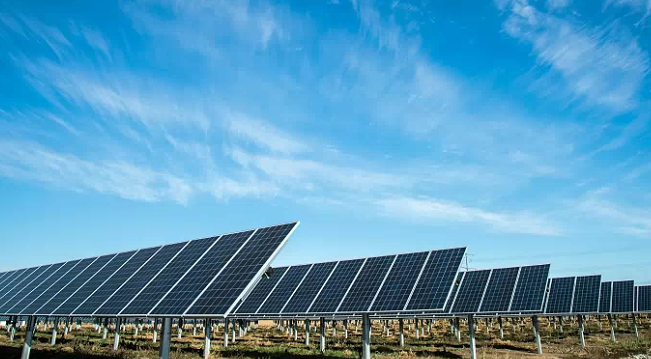
Although this energy crisis is the largest in world history, its actual damage to the global economy has so far been significantly less than that of the oil crisis of the 1970s. The main reason is that the global energy structure is now far more diversified than in the past. Thanks to the rapid promotion of renewable energy over the past decade, many countries have significantly improved their energy self-sufficiency and greatly reduced their dependence on the global fossil fuel supply chain.
This is why countries that have already vigorously developed renewable energy have demonstrated greater resilience in the face of the current sharp fluctuations in the oil market. In Asia, although the conflict with Iran has severely damaged the regional energy market, major Asian powers have gained an important strategic buffer thanks to their large-scale clean energy infrastructure and huge crude oil reserves. In Europe, Spain, with its developed solar energy industry, has maintained relatively stable energy prices and has been far less affected than its neighboring countries.
The conflict in Iran has once again clearly exposed the inherent vulnerability of the global fossil fuel system.
A report published by Forbes magazine earlier this month pointed out that the concentration of too much economic power in a very few regions, whose energy must be transported through the same highly militarized sea chokepoints, inherently carries enormous risks.
The report emphasizes: "For years, clean energy has been seen as a moral responsibility. Today, it has become an unavoidable economic and geopolitical necessity. It is no longer just about reducing emissions, but also about the resilience of national economies and the long-term stability of energy prices."
With recurring energy crises, countries around the world are increasingly recognizing the need to reformulate their energy security strategies. Diversifying energy supplies and achieving energy independence through the development of solar, wind, and nuclear power has proven to be a viable and effective path. These clean energy sources can be produced locally in almost any country, while the oil and gas supply chain is naturally concentrated in a few countries, making it perpetually susceptible to the influence of geopolitical conflicts.
David Frykman, general partner at Stockholm-based venture capital firm Norrsken, recently wrote in Fortune magazine: “Wind and solar energy cannot be embargoed, blocked, or cut off by any foreign power. Every terawatt-hour of domestically produced renewable energy is equivalent to reducing one terawatt-hour of energy that could be weaponized by an adversary.”
While high oil prices will severely impact countries heavily reliant on energy imports, particularly the poorer nations of the Global South, this crisis could also act as a powerful catalyst for a global clean energy transition. Currently, the cost of wind and solar power generation was already lower than that of fossil fuels before the crisis, and with oil and gas prices continuing to soar, the deployment of renewable energy is expected to accelerate significantly.
This energy transition, forced to accelerate under external pressure, while stemming from the crisis, will bring multiple positive impacts to the global economy: enhancing energy security, strengthening the resilience of economic systems, and providing strong support for addressing climate change.
Overall , the continued closure of the Strait of Hormuz is sounding alarm bells worldwide. The vulnerability of the traditional fossil fuel system has been thoroughly exposed, while the strategic value of renewable energy has become more apparent than ever before. In the future, accelerating the clean energy transition will not only be a practical path to reduce geopolitical risks, but will also become a key choice for countries to enhance their long-term competitiveness and economic resilience.
Whether this crisis can ultimately be transformed into an opportunity for a profound adjustment of the global energy structure will depend on the strategic choices made by countries under current pressure.
The core question facing the international community today is: Faced with this unprecedented energy shock, will the world choose to retreat to the fragile traditional fossil fuel supply chain, or will it seize this opportunity to accelerate the transition to a cleaner and more resilient renewable energy future?
The current crisis is unprecedented in scale, but the impact is relatively mild.
Although this energy crisis is the largest in world history, its actual damage to the global economy has so far been significantly less than that of the oil crisis of the 1970s. The main reason is that the global energy structure is now far more diversified than in the past. Thanks to the rapid promotion of renewable energy over the past decade, many countries have significantly improved their energy self-sufficiency and greatly reduced their dependence on the global fossil fuel supply chain.
This is why countries that have already vigorously developed renewable energy have demonstrated greater resilience in the face of the current sharp fluctuations in the oil market. In Asia, although the conflict with Iran has severely damaged the regional energy market, major Asian powers have gained an important strategic buffer thanks to their large-scale clean energy infrastructure and huge crude oil reserves. In Europe, Spain, with its developed solar energy industry, has maintained relatively stable energy prices and has been far less affected than its neighboring countries.
The vulnerability of the fossil fuel system has been exposed once again.
The conflict in Iran has once again clearly exposed the inherent vulnerability of the global fossil fuel system.
A report published by Forbes magazine earlier this month pointed out that the concentration of too much economic power in a very few regions, whose energy must be transported through the same highly militarized sea chokepoints, inherently carries enormous risks.
The report emphasizes: "For years, clean energy has been seen as a moral responsibility. Today, it has become an unavoidable economic and geopolitical necessity. It is no longer just about reducing emissions, but also about the resilience of national economies and the long-term stability of energy prices."
Clean energy transition has become an inevitable strategic choice.
With recurring energy crises, countries around the world are increasingly recognizing the need to reformulate their energy security strategies. Diversifying energy supplies and achieving energy independence through the development of solar, wind, and nuclear power has proven to be a viable and effective path. These clean energy sources can be produced locally in almost any country, while the oil and gas supply chain is naturally concentrated in a few countries, making it perpetually susceptible to the influence of geopolitical conflicts.
David Frykman, general partner at Stockholm-based venture capital firm Norrsken, recently wrote in Fortune magazine: “Wind and solar energy cannot be embargoed, blocked, or cut off by any foreign power. Every terawatt-hour of domestically produced renewable energy is equivalent to reducing one terawatt-hour of energy that could be weaponized by an adversary.”
The crisis may accelerate the global clean energy revolution.
While high oil prices will severely impact countries heavily reliant on energy imports, particularly the poorer nations of the Global South, this crisis could also act as a powerful catalyst for a global clean energy transition. Currently, the cost of wind and solar power generation was already lower than that of fossil fuels before the crisis, and with oil and gas prices continuing to soar, the deployment of renewable energy is expected to accelerate significantly.
This energy transition, forced to accelerate under external pressure, while stemming from the crisis, will bring multiple positive impacts to the global economy: enhancing energy security, strengthening the resilience of economic systems, and providing strong support for addressing climate change.
Overall , the continued closure of the Strait of Hormuz is sounding alarm bells worldwide. The vulnerability of the traditional fossil fuel system has been thoroughly exposed, while the strategic value of renewable energy has become more apparent than ever before. In the future, accelerating the clean energy transition will not only be a practical path to reduce geopolitical risks, but will also become a key choice for countries to enhance their long-term competitiveness and economic resilience.
Whether this crisis can ultimately be transformed into an opportunity for a profound adjustment of the global energy structure will depend on the strategic choices made by countries under current pressure.
- Risk Warning and Disclaimer
- The market involves risk, and trading may not be suitable for all investors. This article is for reference only and does not constitute personal investment advice, nor does it take into account certain users’ specific investment objectives, financial situation, or other needs. Any investment decisions made based on this information are at your own risk.