GDP downward revision hits the brakes, PCE hits a key level! With bulls and bears locked in a stalemate, is this long lower shadow a bear trap or a pivot point?
2026-04-09 20:56:47
On Thursday (April 9th), at 8:30 PM Beijing time, the U.S. Department of Commerce released the final reading of Q4 2025 GDP and February 2026 personal income and spending data (including PCE). The final annualized quarter-on-quarter GDP growth rate was 0.5%, a slight downward revision from previous data; the February PCE price index rose 2.8% year-on-year, in line with market expectations, and core PCE rose 3.0% year-on-year, also in line with expectations. The initial jobless claims for the week also rose to 219,000, higher than expected but still at historically low levels. Before and after the data release, the US dollar index fluctuated slightly, falling 3 points briefly before rebounding more than 6 points, currently trading at 98.9509; spot gold rose about $7 in the short term, with the overall market reaction being relatively restrained.
Following the release of the GDP and PCE data, the fundamentals and technicals mutually reinforced each other. From a fundamental perspective, the final GDP growth rate for Q4 2025 was 0.5%, a significant slowdown from Q3's 4.4%, reflecting the economy's transition from high growth to normalcy. Meanwhile, personal consumption expenditure rose 0.5% month-on-month in February, indicating continued resilience in consumption. The PCE price index's year-on-year growth of 2.8% and core PCE's 3.0% were in line with expectations, not exceeding the significant deviation range from the Fed's 2% long-term target. Coupled with the initial jobless claims data, which slightly exceeded expectations but remained at a low absolute level, the overall picture points to stable economic performance without significant fluctuations.
Compared to historical trends, the final GDP figure of 0.5% is in the lower-middle range of recent quarterly data, slightly lower than previously implied market expectations, but it does not break the trend of economic growth gradually returning to its potential growth rate over the past two years. The PCE year-on-year growth of 2.8% continues the moderate decline path since the second half of 2025, and has significantly narrowed compared to the high level in 2024, indicating that inflationary pressures are gradually being controlled. In terms of the latest quotes, the US dollar index quickly recovered its losses to 98.9509 after the data release, reflecting a recovery in risk appetite following the market's interpretation of the data. Spot gold rose by about $7 in the short term, corresponding to a slight increase in short-term safe-haven sentiment, but no trend breakout has occurred.

Comparing viewpoints, prior to the data release, institutional and retail investors largely shared similar expectations: most institutional accounts emphasized whether the February PCE figure confirmed inflation stickiness, generally expecting core PCE to be around 3.0% year-on-year and the final GDP figure to be around 0.7%; retail traders, on the other hand, mostly discussed the data's impact on the Fed's policy observation window before the market opened, generally maintaining a cautious wait-and-see attitude, focusing on the balance between consumer spending and prices. After the release, institutional perspectives shifted to interpreting the data as meeting expectations, believing that strong consumer spending and the PCE figure did not exceed expectations, providing a clear observation space for subsequent policy; retail investors, however, paid more attention to the downward revision of the final GDP figure, with some discussing the phased changes in economic growth momentum, but overall there was no significant expansion of expectation deviations, and the market consensus remained that the data was neutral.
From a technical perspective, the short-term rebound of the US dollar index echoes the resilience of the fundamental economy, while it remains in a high-level range-bound trading pattern in the long term. Although gold rose in the short term, it lacked sustained upward momentum, indicating that the forces of bulls and bears have reached a balance after the data release. Overall, this data did not trigger a systemic shock, and both fundamental and technical factors point to a relatively rational market reaction to the economic data.
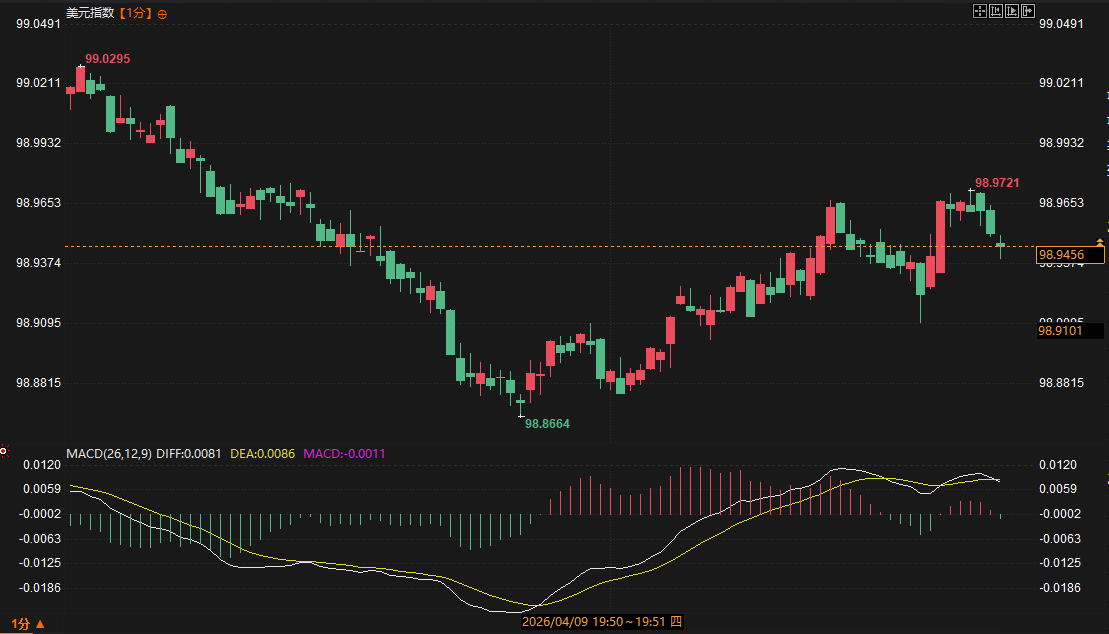
Based on the combination of the final GDP figure of 0.5% and the PCE figure meeting expectations, the US dollar index is expected to maintain a slightly bullish trend within the 98.5-99.5 range in the short term. Gold may fluctuate slightly with inflation expectations but is unlikely to show a one-sided trend. The market indicates that it has fully digested the data, and the long-term and short-term logics remain consistent. Future trends will depend on the continuous verification of subsequent economic indicators, and the overall market is expected to maintain a balanced operation.
Q: What are the main reasons for the final GDP figure of 0.5% being lower than the market's implied expectations?
The final GDP figure was slightly lower than the previous estimate, mainly reflecting the final revisions to some indicators of consumption and investment in the fourth quarter. However, the overall economy is still within the normalization range and has not changed the continuity of the long-term growth path.
Q: What is the significance of the PCE data meeting expectations for monitoring the Fed's policy?
The PCE year-on-year growth of 2.8% and core growth of 3.0% were in line with expectations, indicating that inflationary pressures are within a controllable range. This provides the Federal Reserve with an objective basis to continue monitoring the labor market and economic growth, and policy decisions will be based on the cumulative verification of subsequent data.
Q: What does the rise in initial jobless claims, which remain low, mean for the economy?
Although the number of initial jobless claims was higher than expected, the absolute value remained at a historically low level, indicating that the labor market remained stable and showed no signs of significant deterioration. Together with GDP and PCE data, this supported the resilience of the economy.
Q: What are the driving factors behind the rebound of the US dollar index after the data release?
The US dollar index rebounded quickly after a short-term decline, mainly due to the market's rational digestion of the PCE meeting expectations and the manageable downward revision of GDP, reflecting that the relative attractiveness of dollar assets in the current environment has not fundamentally changed.
Q: Gold has risen in the short term but has not formed a trend breakout. How might it evolve in the future?
Gold prices rose by about $7 in the short term, mainly due to safe-haven demand following the release of data. However, as the PCE figure did not exceed expectations, there was a lack of sustained momentum. The subsequent trend may continue to be influenced by both inflation expectations and the dollar's performance, maintaining a range-bound fluctuation pattern.
Deep interconnect analysis
Following the release of the GDP and PCE data, the fundamentals and technicals mutually reinforced each other. From a fundamental perspective, the final GDP growth rate for Q4 2025 was 0.5%, a significant slowdown from Q3's 4.4%, reflecting the economy's transition from high growth to normalcy. Meanwhile, personal consumption expenditure rose 0.5% month-on-month in February, indicating continued resilience in consumption. The PCE price index's year-on-year growth of 2.8% and core PCE's 3.0% were in line with expectations, not exceeding the significant deviation range from the Fed's 2% long-term target. Coupled with the initial jobless claims data, which slightly exceeded expectations but remained at a low absolute level, the overall picture points to stable economic performance without significant fluctuations.
Compared to historical trends, the final GDP figure of 0.5% is in the lower-middle range of recent quarterly data, slightly lower than previously implied market expectations, but it does not break the trend of economic growth gradually returning to its potential growth rate over the past two years. The PCE year-on-year growth of 2.8% continues the moderate decline path since the second half of 2025, and has significantly narrowed compared to the high level in 2024, indicating that inflationary pressures are gradually being controlled. In terms of the latest quotes, the US dollar index quickly recovered its losses to 98.9509 after the data release, reflecting a recovery in risk appetite following the market's interpretation of the data. Spot gold rose by about $7 in the short term, corresponding to a slight increase in short-term safe-haven sentiment, but no trend breakout has occurred.
Comparing viewpoints, prior to the data release, institutional and retail investors largely shared similar expectations: most institutional accounts emphasized whether the February PCE figure confirmed inflation stickiness, generally expecting core PCE to be around 3.0% year-on-year and the final GDP figure to be around 0.7%; retail traders, on the other hand, mostly discussed the data's impact on the Fed's policy observation window before the market opened, generally maintaining a cautious wait-and-see attitude, focusing on the balance between consumer spending and prices. After the release, institutional perspectives shifted to interpreting the data as meeting expectations, believing that strong consumer spending and the PCE figure did not exceed expectations, providing a clear observation space for subsequent policy; retail investors, however, paid more attention to the downward revision of the final GDP figure, with some discussing the phased changes in economic growth momentum, but overall there was no significant expansion of expectation deviations, and the market consensus remained that the data was neutral.
From a technical perspective, the short-term rebound of the US dollar index echoes the resilience of the fundamental economy, while it remains in a high-level range-bound trading pattern in the long term. Although gold rose in the short term, it lacked sustained upward momentum, indicating that the forces of bulls and bears have reached a balance after the data release. Overall, this data did not trigger a systemic shock, and both fundamental and technical factors point to a relatively rational market reaction to the economic data.
Trend Outlook
Based on the combination of the final GDP figure of 0.5% and the PCE figure meeting expectations, the US dollar index is expected to maintain a slightly bullish trend within the 98.5-99.5 range in the short term. Gold may fluctuate slightly with inflation expectations but is unlikely to show a one-sided trend. The market indicates that it has fully digested the data, and the long-term and short-term logics remain consistent. Future trends will depend on the continuous verification of subsequent economic indicators, and the overall market is expected to maintain a balanced operation.
Frequently Asked Questions
Q: What are the main reasons for the final GDP figure of 0.5% being lower than the market's implied expectations?
The final GDP figure was slightly lower than the previous estimate, mainly reflecting the final revisions to some indicators of consumption and investment in the fourth quarter. However, the overall economy is still within the normalization range and has not changed the continuity of the long-term growth path.
Q: What is the significance of the PCE data meeting expectations for monitoring the Fed's policy?
The PCE year-on-year growth of 2.8% and core growth of 3.0% were in line with expectations, indicating that inflationary pressures are within a controllable range. This provides the Federal Reserve with an objective basis to continue monitoring the labor market and economic growth, and policy decisions will be based on the cumulative verification of subsequent data.
Q: What does the rise in initial jobless claims, which remain low, mean for the economy?
Although the number of initial jobless claims was higher than expected, the absolute value remained at a historically low level, indicating that the labor market remained stable and showed no signs of significant deterioration. Together with GDP and PCE data, this supported the resilience of the economy.
Q: What are the driving factors behind the rebound of the US dollar index after the data release?
The US dollar index rebounded quickly after a short-term decline, mainly due to the market's rational digestion of the PCE meeting expectations and the manageable downward revision of GDP, reflecting that the relative attractiveness of dollar assets in the current environment has not fundamentally changed.
Q: Gold has risen in the short term but has not formed a trend breakout. How might it evolve in the future?
Gold prices rose by about $7 in the short term, mainly due to safe-haven demand following the release of data. However, as the PCE figure did not exceed expectations, there was a lack of sustained momentum. The subsequent trend may continue to be influenced by both inflation expectations and the dollar's performance, maintaining a range-bound fluctuation pattern.
- Risk Warning and Disclaimer
- The market involves risk, and trading may not be suitable for all investors. This article is for reference only and does not constitute personal investment advice, nor does it take into account certain users’ specific investment objectives, financial situation, or other needs. Any investment decisions made based on this information are at your own risk.