The USD/CAD pair remains range-bound as oil prices surge and expectations of a Fed rate hike fluctuate.
2026-04-13 14:18:19
The USD/CAD pair continued its rebound, but consolidated near a key resistance level, currently trading around 1.3860 . Although the exchange rate has recovered from its previous lows, overall upward momentum is constrained by multiple factors, and the market has entered a phase of clear consolidation.
From a fundamental perspective, the situation in the Middle East remains the core variable dominating the market. Following the breakdown of negotiations between the US and Iran, market risk aversion initially intensified, but concerns about further escalation of the conflict eased as news emerged of efforts to resume talks in some regions. This coexistence of risk and expectations of de-escalation prevented the US dollar from fully releasing its safe-haven upward momentum.
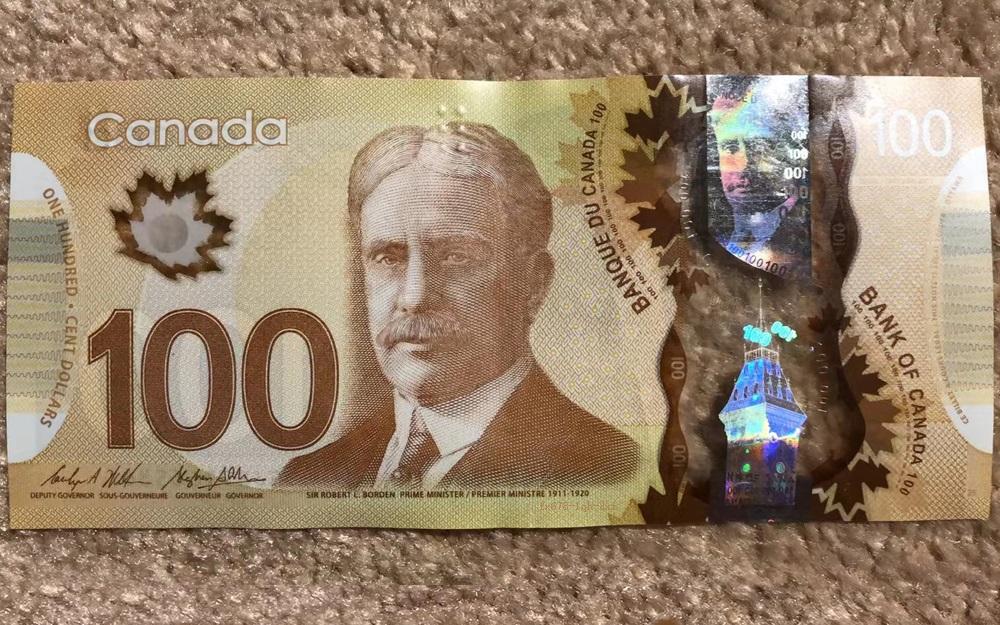
Meanwhile, the strong performance of the crude oil market exerted significant downward pressure on the exchange rate. WTI crude oil prices rebounded rapidly, reaching around $105 per barrel , mainly due to tensions in the Middle East, shipping risks in the Strait of Hormuz, and the spillover effects of geopolitical conflicts. As a typical commodity currency, the Canadian dollar is highly sensitive to oil prices; rising oil prices significantly increased the attractiveness of the Canadian dollar, thus limiting the upside potential of the USD/CAD exchange rate.
Furthermore, the US macroeconomic fundamentals continue to support the dollar. Data shows that US inflation rebounded significantly in March, reaching a relatively high level in recent years, reinforcing market expectations that the Federal Reserve will maintain its tightening policy or even raise interest rates further. Against this backdrop, US Treasury yields have continued to rise, providing interest rate differential support for the dollar.
From a global market perspective, the current USD/CAD exchange rate exhibits a typical "two-way drive." On the one hand, high interest rate expectations and rising yields support the US dollar; on the other hand, rising oil prices strengthen the Canadian dollar, limiting its upside potential. This structure makes it difficult for the exchange rate to form a unilateral trend.
In terms of market sentiment, investors remain cautious overall. In the short term, geopolitical risks and policy uncertainties are making funds more inclined to flexibly adjust positions rather than make one-sided bets. This has also caused the USD/CAD exchange rate to fluctuate repeatedly within the current range.
The key variables currently attracting investor attention include: whether oil prices will remain high, whether the situation in the Middle East will escalate or ease further, and changes in expectations regarding Federal Reserve policy. These factors will directly determine the future direction of exchange rates.
From a technical perspective, the daily chart shows that the USD/CAD pair has experienced a technical rebound after falling below 1.3800 , but remains within a trading range overall. The current price has rebounded to near a key moving average, indicating a possible short-term trend recovery. Major resistance levels are located at 1.3900 and 1.3950 ; a break above these levels could lead to a further test of the 1.4000 psychological level. On the downside, 1.3800 remains a key support level; a break below this level could lead to a retest of the 1.3750 and even 1.3700 areas.
From a 4-hour chart perspective, the exchange rate is showing a short-term oscillating rebound structure, but the momentum has slowed. The MACD is gradually converging, indicating weakening bullish momentum, while the RSI remains in the neutral zone, suggesting a lack of clear market direction. In the short term, if the exchange rate fails to break through the 1.3900 resistance level, it may fall back to test the support around 1.3820 ; if it breaks below this level, the correction could widen further. Overall, the short-term trend is biased towards range-bound trading.
Editor's Summary : Overall, the USD/CAD pair is currently under the dual influence of "dollar support and oil price suppression." High inflation and expectations of interest rate hikes provide fundamental support for the dollar, but rising oil prices strengthen the Canadian dollar, making it difficult for the exchange rate to form a sustained upward trend. Future movements will depend on the outcome of the interplay between oil prices and policy expectations. If oil prices remain high, the Canadian dollar may continue to strengthen; however, if the Federal Reserve further strengthens its tightening stance, the dollar still has room for a rebound. In general, the USD/CAD pair may maintain a range-bound trading pattern in the short term, and market direction still needs new fundamental catalysts.
From a fundamental perspective, the situation in the Middle East remains the core variable dominating the market. Following the breakdown of negotiations between the US and Iran, market risk aversion initially intensified, but concerns about further escalation of the conflict eased as news emerged of efforts to resume talks in some regions. This coexistence of risk and expectations of de-escalation prevented the US dollar from fully releasing its safe-haven upward momentum.
Meanwhile, the strong performance of the crude oil market exerted significant downward pressure on the exchange rate. WTI crude oil prices rebounded rapidly, reaching around $105 per barrel , mainly due to tensions in the Middle East, shipping risks in the Strait of Hormuz, and the spillover effects of geopolitical conflicts. As a typical commodity currency, the Canadian dollar is highly sensitive to oil prices; rising oil prices significantly increased the attractiveness of the Canadian dollar, thus limiting the upside potential of the USD/CAD exchange rate.
Furthermore, the US macroeconomic fundamentals continue to support the dollar. Data shows that US inflation rebounded significantly in March, reaching a relatively high level in recent years, reinforcing market expectations that the Federal Reserve will maintain its tightening policy or even raise interest rates further. Against this backdrop, US Treasury yields have continued to rise, providing interest rate differential support for the dollar.
From a global market perspective, the current USD/CAD exchange rate exhibits a typical "two-way drive." On the one hand, high interest rate expectations and rising yields support the US dollar; on the other hand, rising oil prices strengthen the Canadian dollar, limiting its upside potential. This structure makes it difficult for the exchange rate to form a unilateral trend.
In terms of market sentiment, investors remain cautious overall. In the short term, geopolitical risks and policy uncertainties are making funds more inclined to flexibly adjust positions rather than make one-sided bets. This has also caused the USD/CAD exchange rate to fluctuate repeatedly within the current range.
The key variables currently attracting investor attention include: whether oil prices will remain high, whether the situation in the Middle East will escalate or ease further, and changes in expectations regarding Federal Reserve policy. These factors will directly determine the future direction of exchange rates.
From a technical perspective, the daily chart shows that the USD/CAD pair has experienced a technical rebound after falling below 1.3800 , but remains within a trading range overall. The current price has rebounded to near a key moving average, indicating a possible short-term trend recovery. Major resistance levels are located at 1.3900 and 1.3950 ; a break above these levels could lead to a further test of the 1.4000 psychological level. On the downside, 1.3800 remains a key support level; a break below this level could lead to a retest of the 1.3750 and even 1.3700 areas.
From a 4-hour chart perspective, the exchange rate is showing a short-term oscillating rebound structure, but the momentum has slowed. The MACD is gradually converging, indicating weakening bullish momentum, while the RSI remains in the neutral zone, suggesting a lack of clear market direction. In the short term, if the exchange rate fails to break through the 1.3900 resistance level, it may fall back to test the support around 1.3820 ; if it breaks below this level, the correction could widen further. Overall, the short-term trend is biased towards range-bound trading.
Editor's Summary : Overall, the USD/CAD pair is currently under the dual influence of "dollar support and oil price suppression." High inflation and expectations of interest rate hikes provide fundamental support for the dollar, but rising oil prices strengthen the Canadian dollar, making it difficult for the exchange rate to form a sustained upward trend. Future movements will depend on the outcome of the interplay between oil prices and policy expectations. If oil prices remain high, the Canadian dollar may continue to strengthen; however, if the Federal Reserve further strengthens its tightening stance, the dollar still has room for a rebound. In general, the USD/CAD pair may maintain a range-bound trading pattern in the short term, and market direction still needs new fundamental catalysts.
- Risk Warning and Disclaimer
- The market involves risk, and trading may not be suitable for all investors. This article is for reference only and does not constitute personal investment advice, nor does it take into account certain users’ specific investment objectives, financial situation, or other needs. Any investment decisions made based on this information are at your own risk.