The war of words escalated in the final 24 hours of the US-Iran ceasefire, but a glimmer of hope for peace remains.
2026-04-21 15:07:00
The war of words between the United States and Iran continues to escalate, with the fragile ceasefire agreement nearing its expiration. Both sides are raising their bargaining chips ahead of a new round of peace talks, further escalating tensions.
Iranian parliamentary spokesman Mohammad Bagher Ghalibaf appeared to escalate the stakes further on Tuesday (April 21) in a social media post. He criticized US President Trump for “implementing a siege and violating the ceasefire agreement,” attempting to turn negotiations into a “surrender table,” or seeking a pretext to reignite the war.
Ghalibaf also suggested that Iran has new leverage in the current standoff. He stated, "In the past two weeks, we have been prepared to play new cards on the battlefield." He added, "We do not accept negotiations under the shadow of threats."
This sharp statement came after Trump reiterated his threats, warning that if no agreement was reached, the United States would launch an overwhelming military strike against Iran, and that "a lot of bombs will start exploding."
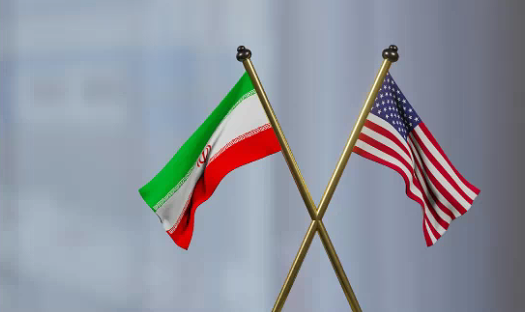
With the ceasefire nearing its end, the prospects for further peace talks and key details of the current relationship between the US and Iran are becoming increasingly blurred. Trump is wavering between resuming tough rhetoric and hinting that Washington is prepared for more negotiations with Iran.
"This is the last chance to reach an agreement before the ceasefire expires," former U.S. Ambassador to Oman Marc Sievers said on Monday. He warned that if Trump follows through on his threats and resumes military operations against Iranian power plants and bridges, the consequences will be extremely serious.
Amid escalating tensions, a U.S. delegation is preparing to travel to Pakistan for a potential second round of peace talks. A source familiar with the matter said Monday morning that the U.S. delegation "plans to travel to Islamabad soon."
Iran has repeatedly denied participating in the meeting. According to The New York Times, citing two Iranian officials, the Tehran delegation plans to travel to Islamabad on Tuesday for the talks.
The first round of talks in Islamabad, led by U.S. Vice President Vance and U.S. special envoys Steve Witkoff and Jared Kushner, ended on April 12 without reaching any solutions on thorny issues such as Iran's nuclear program.
The United States and Iran reached a two-week ceasefire agreement on the evening of April 7. This temporary truce has faced increasing pressure throughout its short existence, with both sides accusing each other of violating the terms of the agreement.
Trump said on Monday that the ceasefire would expire "Wednesday night Washington time," which could buy extra time for negotiations. He added that he was unlikely to extend the ceasefire beyond Wednesday and would not open the Strait of Hormuz until an agreement was reached with Tehran.
When asked if he expected fighting to resume immediately if no agreement was reached, Trump said, "If there is no agreement, I certainly expect that."
A diplomatic roadmap, rather than a permanent solution, is the most realistic outcome of the Islamabad talks.
Cornelia Meyer, CEO of Meyer Resources, said that, referring to the more than two years of negotiations before the initial framework of the 2015 Iran nuclear deal was reached, "expecting a real peace agreement is too optimistic."
According to multiple media reports, Vice President Vance, along with officials from the National Security Council, the State Department, and the Pentagon, will form a U.S. delegation to participate in talks in Pakistan on Tuesday.
Alan Eyre, a former senior U.S. diplomat who participated in the 2015 Iran nuclear deal negotiations, pointed out that U.S. negotiators may be at a disadvantage when negotiating with Iran's experienced diplomatic team. The Iranian team consisted of "professionals familiar with their duties," while the U.S. lacked equivalent expertise in international relations.
Al said that unless the United States brings "a competent team of experts they trust, they will be unable to cope." He added that the "best and most realistic outcome" of the potential negotiations would be an agreement on general principles and an extension of the ceasefire.
The fate of Iran's nuclear materials will remain a key sticking point in the negotiations. Trump stated last Friday that Iran had agreed to transfer its highly enriched uranium stockpile to the United States, but Iran denied this claim within hours.
Trump posted again on Truth Social late Monday, reiterating that Operation Midnight Hammer, launched by the United States in June 2025, successfully struck three key facilities of Tehran's nuclear program, achieving "complete destruction of the nuclear dust sites," and stating that "dredging and cleanup will be a long and difficult process."
The US and Iran are locked in a fierce standoff over maritime traffic in the Strait of Hormuz. Trump has vowed to maintain the blockade of Iranian ports, while Tehran has reaffirmed its military control over this crucial waterway, which normally handles 20% of the world's oil and gas shipments.
Iran's Foreign Ministry further accused the United States of attacking an Iranian merchant ship and demanded the release of its crew, escalating tensions in the Strait of Hormuz. Over the weekend, the U.S. Navy fired on and seized an Iranian-flagged cargo ship attempting to circumvent the blockade, marking the first major action since the blockade began. Meanwhile, Iran fired on two vessels attempting to pass. This latest escalation puts both sides on the brink of collision as the Islamabad talks draw near.
"Any escalation, especially military action near the Strait of Hormuz, could trigger a new surge in oil prices and widespread risk aversion," said Lloyd Chan, senior currency analyst at MUFG Global Markets Research. He noted that the uncertain prospects for peace negotiations have fueled market speculation about when energy transport through the Strait of Hormuz will resume.
With the April 22 deadline approaching, both the rhetoric and actions of the US and Iran have revealed a high degree of tension. Despite the numerous difficulties facing the negotiations, all parties are still preparing for the second round of talks in Islamabad.
Whether the final outcome will be a diplomatic breakthrough or a renewed conflict will become clear in the coming hours, and the global energy market and geopolitical landscape will be directly and profoundly affected.
Iranian parliamentary spokesman Mohammad Bagher Ghalibaf appeared to escalate the stakes further on Tuesday (April 21) in a social media post. He criticized US President Trump for “implementing a siege and violating the ceasefire agreement,” attempting to turn negotiations into a “surrender table,” or seeking a pretext to reignite the war.
Ghalibaf also suggested that Iran has new leverage in the current standoff. He stated, "In the past two weeks, we have been prepared to play new cards on the battlefield." He added, "We do not accept negotiations under the shadow of threats."
This sharp statement came after Trump reiterated his threats, warning that if no agreement was reached, the United States would launch an overwhelming military strike against Iran, and that "a lot of bombs will start exploding."
With the ceasefire nearing its end, the prospects for further peace talks and key details of the current relationship between the US and Iran are becoming increasingly blurred. Trump is wavering between resuming tough rhetoric and hinting that Washington is prepared for more negotiations with Iran.
"This is the last chance to reach an agreement before the ceasefire expires," former U.S. Ambassador to Oman Marc Sievers said on Monday. He warned that if Trump follows through on his threats and resumes military operations against Iranian power plants and bridges, the consequences will be extremely serious.
Amid escalating tensions, a U.S. delegation is preparing to travel to Pakistan for a potential second round of peace talks. A source familiar with the matter said Monday morning that the U.S. delegation "plans to travel to Islamabad soon."
Iran has repeatedly denied participating in the meeting. According to The New York Times, citing two Iranian officials, the Tehran delegation plans to travel to Islamabad on Tuesday for the talks.
The first round of talks in Islamabad, led by U.S. Vice President Vance and U.S. special envoys Steve Witkoff and Jared Kushner, ended on April 12 without reaching any solutions on thorny issues such as Iran's nuclear program.
The United States and Iran reached a two-week ceasefire agreement on the evening of April 7. This temporary truce has faced increasing pressure throughout its short existence, with both sides accusing each other of violating the terms of the agreement.
Trump said on Monday that the ceasefire would expire "Wednesday night Washington time," which could buy extra time for negotiations. He added that he was unlikely to extend the ceasefire beyond Wednesday and would not open the Strait of Hormuz until an agreement was reached with Tehran.
When asked if he expected fighting to resume immediately if no agreement was reached, Trump said, "If there is no agreement, I certainly expect that."
Prospects for the Second Round of Negotiations in Islamabad: The Most Likely Outcome is a Roadmap Rather Than a Permanent Agreement
A diplomatic roadmap, rather than a permanent solution, is the most realistic outcome of the Islamabad talks.
Cornelia Meyer, CEO of Meyer Resources, said that, referring to the more than two years of negotiations before the initial framework of the 2015 Iran nuclear deal was reached, "expecting a real peace agreement is too optimistic."
According to multiple media reports, Vice President Vance, along with officials from the National Security Council, the State Department, and the Pentagon, will form a U.S. delegation to participate in talks in Pakistan on Tuesday.
Alan Eyre, a former senior U.S. diplomat who participated in the 2015 Iran nuclear deal negotiations, pointed out that U.S. negotiators may be at a disadvantage when negotiating with Iran's experienced diplomatic team. The Iranian team consisted of "professionals familiar with their duties," while the U.S. lacked equivalent expertise in international relations.
Al said that unless the United States brings "a competent team of experts they trust, they will be unable to cope." He added that the "best and most realistic outcome" of the potential negotiations would be an agreement on general principles and an extension of the ceasefire.
Nuclear material disposal and the Strait of Hormuz: The core sticking points in negotiations remain deadlocked.
The fate of Iran's nuclear materials will remain a key sticking point in the negotiations. Trump stated last Friday that Iran had agreed to transfer its highly enriched uranium stockpile to the United States, but Iran denied this claim within hours.
Trump posted again on Truth Social late Monday, reiterating that Operation Midnight Hammer, launched by the United States in June 2025, successfully struck three key facilities of Tehran's nuclear program, achieving "complete destruction of the nuclear dust sites," and stating that "dredging and cleanup will be a long and difficult process."
The US and Iran are locked in a fierce standoff over maritime traffic in the Strait of Hormuz. Trump has vowed to maintain the blockade of Iranian ports, while Tehran has reaffirmed its military control over this crucial waterway, which normally handles 20% of the world's oil and gas shipments.
Iran's Foreign Ministry further accused the United States of attacking an Iranian merchant ship and demanded the release of its crew, escalating tensions in the Strait of Hormuz. Over the weekend, the U.S. Navy fired on and seized an Iranian-flagged cargo ship attempting to circumvent the blockade, marking the first major action since the blockade began. Meanwhile, Iran fired on two vessels attempting to pass. This latest escalation puts both sides on the brink of collision as the Islamabad talks draw near.
"Any escalation, especially military action near the Strait of Hormuz, could trigger a new surge in oil prices and widespread risk aversion," said Lloyd Chan, senior currency analyst at MUFG Global Markets Research. He noted that the uncertain prospects for peace negotiations have fueled market speculation about when energy transport through the Strait of Hormuz will resume.
Summary: The ceasefire window is about to close, but a glimmer of hope for peace remains.
With the April 22 deadline approaching, both the rhetoric and actions of the US and Iran have revealed a high degree of tension. Despite the numerous difficulties facing the negotiations, all parties are still preparing for the second round of talks in Islamabad.
Whether the final outcome will be a diplomatic breakthrough or a renewed conflict will become clear in the coming hours, and the global energy market and geopolitical landscape will be directly and profoundly affected.
- Risk Warning and Disclaimer
- The market involves risk, and trading may not be suitable for all investors. This article is for reference only and does not constitute personal investment advice, nor does it take into account certain users’ specific investment objectives, financial situation, or other needs. Any investment decisions made based on this information are at your own risk.