The UAE's withdrawal from the OPEC+ alliance has dealt a severe blow to the oil-producing nations and fundamentally altered the global oil landscape.
2026-04-29 10:51:54
The Middle East energy situation is undergoing a disruptive change. Coupled with the current regional geopolitical conflicts disrupting crude oil shipping routes, the global energy supply chain is already under pressure. The UAE's official announcement of its withdrawal from OPEC and the OPEC+ oil-producing alliance has become the biggest black swan event in the global oil and gas industry recently.
This voluntary withdrawal directly targets the core of the oil-producing alliance, significantly weakening its ability to coordinate and manage crude oil supply, exacerbating internal conflicts within the Gulf oil-producing camp, simultaneously triggering short-term fluctuations in international oil prices, and profoundly reshaping the medium- and long-term global energy geopolitical landscape, with cascading effects on global energy consumption, trade, and livelihoods in many countries.
On April 28 local time, the UAE officially announced its decision to withdraw from OPEC and OPEC+, stating that it will completely withdraw from the OPEC and OPEC+ coordination mechanism starting May 1, without prior communication or consultation with its Gulf allies and core member states.
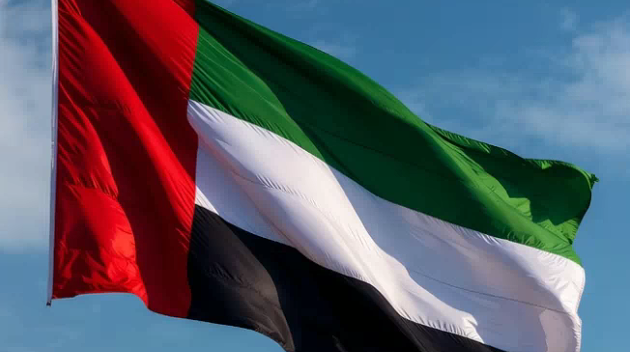
UAE Energy Minister Suhail bin Mohammed Al Mazrouei publicly responded that the withdrawal from the UN Energy Quota was not a spur-of-the-moment decision, but rather a core national strategic move finalized after a comprehensive assessment of the country's medium- and long-term energy strategy, crude oil production capacity planning, and the need to match energy demands with foreign trade. He added that the UAE's decision to withdraw from the quota system was based entirely on the core needs of its resource development and industrial growth. He further stated that with the steady recovery of the global real economy and rising industrial demand, the demand for energy will continue to expand. By removing quota constraints, the UAE can independently release sufficient crude oil production capacity to precisely meet the increasing global energy demand.
Impacted by the news, international oil prices saw a slight pullback that day, with the gains driven by previous geopolitical tensions quickly narrowing. Industry insiders predict that in the short term, shipping in the Strait of Hormuz will be restricted, and the circulation of crude oil spot will be hindered, but the market will not experience extreme volatility.
The UAE remains a core member of OPEC's major oil-producing nations, possessing substantial and compliant idle production capacity. It is also one of the few high-quality entities within the alliance capable of rapidly expanding and stabilizing production. However, for a long time, the country has strictly adhered to the alliance's unified production quotas, passively limiting the pace of its capacity release.
After officially withdrawing from the group, the UAE will be completely free from all production control constraints, and will be able to flexibly allocate its oil and gas extraction capacity and increase the scale of its crude oil exports as needed.
Industry data shows that, impacted by regional geopolitical conflicts, the share of global crude oil production capacity of OPEC+ has continued to decline. In February, it accounted for about 48%, which fell to 44% in March. The downward trend continued in April, and with the UAE's departure in May, the alliance's overall supply power will shrink further.
Several energy analysts predict that after the UAE's independent production increase is implemented, OPEC, relying solely on its existing member countries, will find it difficult to balance global crude oil supply and demand and stabilize oil price fluctuations, leading to a significant decline in its long-term credibility in overall coordination and regulation. Jorge Leon, a senior analyst at a consulting firm, analyzes that the UAE possesses advantages in both production capacity and transportation capacity. With the implementation of its independent production expansion, Saudi Arabia's long-standing role as a core stabilizer in the global crude oil market will face substantial challenges.
In the past, the UAE and Saudi Arabia were core allies in the Gulf region, working together to solidify their regional energy influence. However, in recent years, their bilateral implicit competition has intensified, with disagreements covering key areas such as oil policy coordination, regional geopolitical layout, and the attraction of cross-border capital and high-end talent.
In this round of regional geopolitical conflict, the UAE has repeatedly suffered cross-border attacks, directly pointing to insufficient defense coordination and a lack of emergency response within the Gulf Cooperation Council (GCC) alliance. Anwar Gargash, the UAE president's foreign policy advisor, stated bluntly that while the GCC and the Arab League provided adequate logistical support during this crisis, their political pronouncements and military coordination were weak, falling far short of expectations for regional joint defense and becoming a key factor in the escalation of tensions between the two sides.
At present, the UAE is fully aligning itself with the US cooperation system, deepening cross-border energy and defense cooperation, and coupled with the previously implemented bilateral normalization agreement, its diplomatic strategy has completely broken away from the traditional single-camp Gulf alliance, and its two-way competition with Saudi Arabia in energy and geopolitics has intensified.
The UAE's voluntary withdrawal from the agreement objectively aligns with the long-standing demands of the United States. The US has repeatedly criticized OPEC for deliberately tightening production capacity, raising oil prices, and increasing the global economic and trade burden. It has also clearly linked Gulf defense and security cooperation with energy and trade cooperation.
Following this shift, the regional crude oil market has seen increased supply, putting downward pressure on high oil prices and directly benefiting global businesses and consumers. Monica Malik, chief economist at a financial institution, predicts that as geopolitical tensions gradually ease, the UAE can leverage its low-cost production capacity and established shipping routes to quickly capture a larger share of global crude oil trade and reshape the cross-border oil and gas trade landscape.
In summary, the UAE's withdrawal from OPEC is a foregone conclusion. In the short term, it will disrupt the crude oil market, but in the medium to long term, it will undermine the OPEC management system and reshape the Gulf energy landscape. The subsequent fluctuations in global oil prices and the direction of the power struggle among oil-producing countries will become the core focus of the energy market.
This voluntary withdrawal directly targets the core of the oil-producing alliance, significantly weakening its ability to coordinate and manage crude oil supply, exacerbating internal conflicts within the Gulf oil-producing camp, simultaneously triggering short-term fluctuations in international oil prices, and profoundly reshaping the medium- and long-term global energy geopolitical landscape, with cascading effects on global energy consumption, trade, and livelihoods in many countries.
Officially announced its commitment to fulfill its obligations, and will formally withdraw from all oil-producing alliances starting in May.
On April 28 local time, the UAE officially announced its decision to withdraw from OPEC and OPEC+, stating that it will completely withdraw from the OPEC and OPEC+ coordination mechanism starting May 1, without prior communication or consultation with its Gulf allies and core member states.
UAE Energy Minister Suhail bin Mohammed Al Mazrouei publicly responded that the withdrawal from the UN Energy Quota was not a spur-of-the-moment decision, but rather a core national strategic move finalized after a comprehensive assessment of the country's medium- and long-term energy strategy, crude oil production capacity planning, and the need to match energy demands with foreign trade. He added that the UAE's decision to withdraw from the quota system was based entirely on the core needs of its resource development and industrial growth. He further stated that with the steady recovery of the global real economy and rising industrial demand, the demand for energy will continue to expand. By removing quota constraints, the UAE can independently release sufficient crude oil production capacity to precisely meet the increasing global energy demand.
Impacted by the news, international oil prices saw a slight pullback that day, with the gains driven by previous geopolitical tensions quickly narrowing. Industry insiders predict that in the short term, shipping in the Strait of Hormuz will be restricted, and the circulation of crude oil spot will be hindered, but the market will not experience extreme volatility.
Breaking free from production constraints: directly addressing the core shortcomings of OPEC's crude oil regulation.
The UAE remains a core member of OPEC's major oil-producing nations, possessing substantial and compliant idle production capacity. It is also one of the few high-quality entities within the alliance capable of rapidly expanding and stabilizing production. However, for a long time, the country has strictly adhered to the alliance's unified production quotas, passively limiting the pace of its capacity release.
After officially withdrawing from the group, the UAE will be completely free from all production control constraints, and will be able to flexibly allocate its oil and gas extraction capacity and increase the scale of its crude oil exports as needed.
Industry data shows that, impacted by regional geopolitical conflicts, the share of global crude oil production capacity of OPEC+ has continued to decline. In February, it accounted for about 48%, which fell to 44% in March. The downward trend continued in April, and with the UAE's departure in May, the alliance's overall supply power will shrink further.
Several energy analysts predict that after the UAE's independent production increase is implemented, OPEC, relying solely on its existing member countries, will find it difficult to balance global crude oil supply and demand and stabilize oil price fluctuations, leading to a significant decline in its long-term credibility in overall coordination and regulation. Jorge Leon, a senior analyst at a consulting firm, analyzes that the UAE possesses advantages in both production capacity and transportation capacity. With the implementation of its independent production expansion, Saudi Arabia's long-standing role as a core stabilizer in the global crude oil market will face substantial challenges.
Geopolitical alignment shifts, rift between the two major powers in the Gulf becomes fully public.
In the past, the UAE and Saudi Arabia were core allies in the Gulf region, working together to solidify their regional energy influence. However, in recent years, their bilateral implicit competition has intensified, with disagreements covering key areas such as oil policy coordination, regional geopolitical layout, and the attraction of cross-border capital and high-end talent.
In this round of regional geopolitical conflict, the UAE has repeatedly suffered cross-border attacks, directly pointing to insufficient defense coordination and a lack of emergency response within the Gulf Cooperation Council (GCC) alliance. Anwar Gargash, the UAE president's foreign policy advisor, stated bluntly that while the GCC and the Arab League provided adequate logistical support during this crisis, their political pronouncements and military coordination were weak, falling far short of expectations for regional joint defense and becoming a key factor in the escalation of tensions between the two sides.
At present, the UAE is fully aligning itself with the US cooperation system, deepening cross-border energy and defense cooperation, and coupled with the previously implemented bilateral normalization agreement, its diplomatic strategy has completely broken away from the traditional single-camp Gulf alliance, and its two-way competition with Saudi Arabia in energy and geopolitics has intensified.
A chain reaction of restructuring is creating a favorable window of opportunity for global energy consumption.
The UAE's voluntary withdrawal from the agreement objectively aligns with the long-standing demands of the United States. The US has repeatedly criticized OPEC for deliberately tightening production capacity, raising oil prices, and increasing the global economic and trade burden. It has also clearly linked Gulf defense and security cooperation with energy and trade cooperation.
Following this shift, the regional crude oil market has seen increased supply, putting downward pressure on high oil prices and directly benefiting global businesses and consumers. Monica Malik, chief economist at a financial institution, predicts that as geopolitical tensions gradually ease, the UAE can leverage its low-cost production capacity and established shipping routes to quickly capture a larger share of global crude oil trade and reshape the cross-border oil and gas trade landscape.
In summary, the UAE's withdrawal from OPEC is a foregone conclusion. In the short term, it will disrupt the crude oil market, but in the medium to long term, it will undermine the OPEC management system and reshape the Gulf energy landscape. The subsequent fluctuations in global oil prices and the direction of the power struggle among oil-producing countries will become the core focus of the energy market.
- Risk Warning and Disclaimer
- The market involves risk, and trading may not be suitable for all investors. This article is for reference only and does not constitute personal investment advice, nor does it take into account certain users’ specific investment objectives, financial situation, or other needs. Any investment decisions made based on this information are at your own risk.