Institutions predict that the upside potential for gold and silver this year is limited, and they will generally fluctuate around the current price levels.
2026-04-29 11:13:10
Currently, escalating geopolitical conflicts are casting a shadow of uncertainty over the global precious metals market. World Bank commodities analysts, based on the current market situation, predict that the upside potential for gold and silver prices in 2026 is limited, with prices expected to fluctuate around current levels. Looking back at the market performance at the beginning of the year, precious metals prices experienced significant volatility and fluctuations at the start of the year. As short-term extreme market conditions gradually subsided, the market returned to a more rational pace.
The World Bank, in its Commodity Market Outlook report released in April, explicitly mentioned that the gold market performed exceptionally well in the first quarter of this year, with gold prices rising by 17% compared to the fourth quarter of last year. Silver saw an even stronger increase during the same period, with silver prices surging 55% in the first three months of this year compared to the fourth quarter of 2025. Overall, the precious metals price index rose 84% year-on-year in the first quarter of last year, indicating a comprehensive recovery across all categories.
Regarding the recent pullback in gold and silver prices, analysts added that this decline is essentially a reasonable correction in market sentiment. In the preceding months, the precious metals market was highly speculative, with concentrated capital driving prices up rapidly. The current price correction directly reflects the cooling of speculative fervor and a temporary reversal in market conditions. Under the dual influence of geopolitical tensions and macroeconomic policies, the upward momentum for gold and silver is gradually weakening; however, institutions remain optimistic about the overall growth performance of precious metals this year.
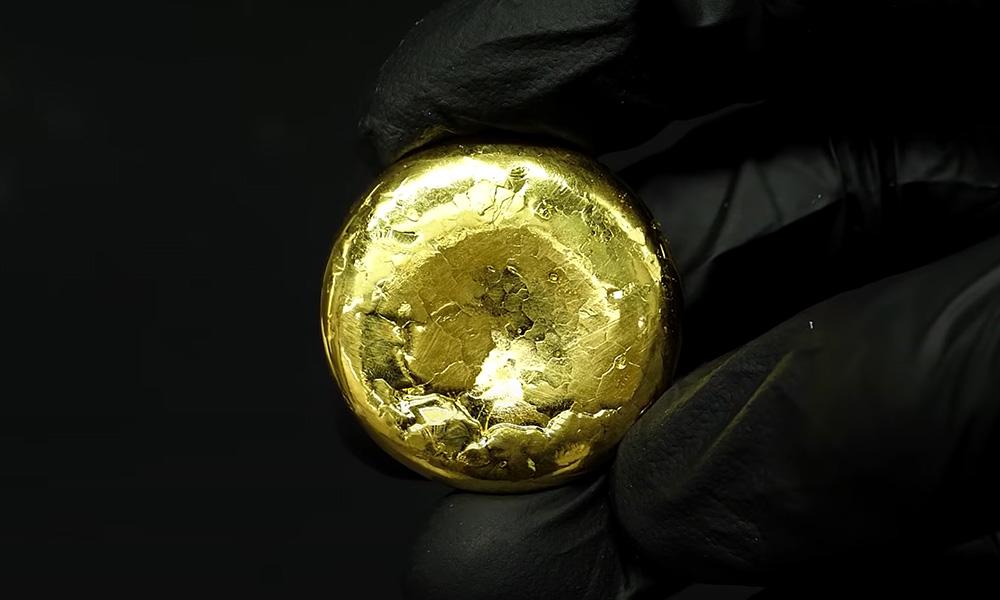
Based on the latest market forecasts, the precious metals category has established a clear phased trend. The gold market is expected to maintain strong growth this year, with the average price for the year projected to remain at $4,700 per ounce, a significant 37% increase from the previous year. However, this upward trend is not expected to be sustainable. Institutions also predict that gold prices will undergo a correction in 2027, with an overall decline of approximately 7%.
Silver and gold prices move in highly correlated patterns, exhibiting significant price linkage. Data shows that the average annual price of silver this year is expected to reach $70 per ounce, a year-on-year increase of 76%, far exceeding the explosive growth of gold. Following the adjustment pattern of gold, the silver market will also face downward pressure next year, with an estimated price decline of 7% for the whole year. Both core precious metals will enter a period of adjustment simultaneously.
From the perspective of upside potential, the safe-haven attribute of precious metals remains the core support . World Bank analysts stated that precious metal prices are highly susceptible to global risk appetite, speculative capital flows, and the macroeconomic environment, making the overall development prospects of the industry highly uncertain. Overall, the upside risks predicted by the benchmark market are more prominent. If global trade conflicts escalate again and financial market volatility intensifies, safe-haven demand will be rapidly released, with a large influx of funds into the gold and silver markets, further driving up market prices.
Conversely, looking at the downward constraints, high inflation is the key negative factor suppressing precious metal prices . The continued rise in energy and industrial raw material prices is exacerbating global inflationary pressures. Since precious metals are non-interest-bearing assets, rising inflation directly increases the cost of holding these assets, weakening market willingness to allocate them. At the same time, easing geopolitical tensions and reduced precious metal purchases by many central banks will gradually weaken price support. Furthermore, silver has strong industrial attributes; if the global economy slows and industrial demand contracts, silver prices will face even greater downward pressure.
Geopolitical conflicts have not only reshaped the precious metals landscape but also fundamentally altered the overall trend of global commodities. Previously, institutions predicted a 7% annual decline in commodity prices; now, expectations have completely reversed, with the average price projected to rise by 16% for the year, marking the first year-on-year increase since 2022.
Energy commodities continue to dominate the overall trend of commodities, with shortages in crude oil and natural gas supply driving prices soaring. The average energy price is expected to rise by 24% in 2026. The supply crisis triggered by geopolitical conflicts continues to spread, with prices of fertilizers, industrial raw materials, agricultural products, and base metals generally rising. The average prices of base metals and precious metals may simultaneously reach record highs.
The ripple effects of the collective price increases in commodities continue to spread, potentially pushing global inflation indicators to a four-year high and adding new challenges to the stable operation of the global economy.
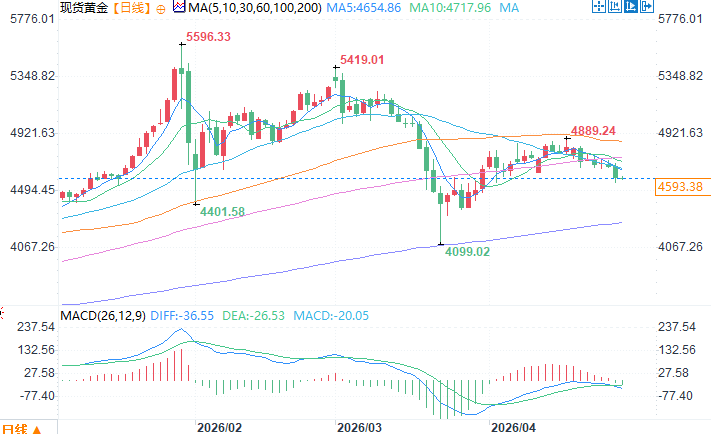
Spot gold daily chart source: EasyForex
At 11:12 AM Beijing time on April 29, spot gold was trading at $4,600.38 per ounce.
The World Bank, in its Commodity Market Outlook report released in April, explicitly mentioned that the gold market performed exceptionally well in the first quarter of this year, with gold prices rising by 17% compared to the fourth quarter of last year. Silver saw an even stronger increase during the same period, with silver prices surging 55% in the first three months of this year compared to the fourth quarter of 2025. Overall, the precious metals price index rose 84% year-on-year in the first quarter of last year, indicating a comprehensive recovery across all categories.
Regarding the recent pullback in gold and silver prices, analysts added that this decline is essentially a reasonable correction in market sentiment. In the preceding months, the precious metals market was highly speculative, with concentrated capital driving prices up rapidly. The current price correction directly reflects the cooling of speculative fervor and a temporary reversal in market conditions. Under the dual influence of geopolitical tensions and macroeconomic policies, the upward momentum for gold and silver is gradually weakening; however, institutions remain optimistic about the overall growth performance of precious metals this year.
Cycle Forecast: Gold and silver prices move in close tandem, with clear upward and downward trends.
Based on the latest market forecasts, the precious metals category has established a clear phased trend. The gold market is expected to maintain strong growth this year, with the average price for the year projected to remain at $4,700 per ounce, a significant 37% increase from the previous year. However, this upward trend is not expected to be sustainable. Institutions also predict that gold prices will undergo a correction in 2027, with an overall decline of approximately 7%.
Silver and gold prices move in highly correlated patterns, exhibiting significant price linkage. Data shows that the average annual price of silver this year is expected to reach $70 per ounce, a year-on-year increase of 76%, far exceeding the explosive growth of gold. Following the adjustment pattern of gold, the silver market will also face downward pressure next year, with an estimated price decline of 7% for the whole year. Both core precious metals will enter a period of adjustment simultaneously.
Bull-Bear Game: Opportunities and Risks Coexist, Market Variables Continue to Accumulate
From the perspective of upside potential, the safe-haven attribute of precious metals remains the core support . World Bank analysts stated that precious metal prices are highly susceptible to global risk appetite, speculative capital flows, and the macroeconomic environment, making the overall development prospects of the industry highly uncertain. Overall, the upside risks predicted by the benchmark market are more prominent. If global trade conflicts escalate again and financial market volatility intensifies, safe-haven demand will be rapidly released, with a large influx of funds into the gold and silver markets, further driving up market prices.
Conversely, looking at the downward constraints, high inflation is the key negative factor suppressing precious metal prices . The continued rise in energy and industrial raw material prices is exacerbating global inflationary pressures. Since precious metals are non-interest-bearing assets, rising inflation directly increases the cost of holding these assets, weakening market willingness to allocate them. At the same time, easing geopolitical tensions and reduced precious metal purchases by many central banks will gradually weaken price support. Furthermore, silver has strong industrial attributes; if the global economy slows and industrial demand contracts, silver prices will face even greater downward pressure.
Global Impact: Commodity prices fluctuated across the board, and global inflationary pressures rose.
Geopolitical conflicts have not only reshaped the precious metals landscape but also fundamentally altered the overall trend of global commodities. Previously, institutions predicted a 7% annual decline in commodity prices; now, expectations have completely reversed, with the average price projected to rise by 16% for the year, marking the first year-on-year increase since 2022.
Energy commodities continue to dominate the overall trend of commodities, with shortages in crude oil and natural gas supply driving prices soaring. The average energy price is expected to rise by 24% in 2026. The supply crisis triggered by geopolitical conflicts continues to spread, with prices of fertilizers, industrial raw materials, agricultural products, and base metals generally rising. The average prices of base metals and precious metals may simultaneously reach record highs.
The ripple effects of the collective price increases in commodities continue to spread, potentially pushing global inflation indicators to a four-year high and adding new challenges to the stable operation of the global economy.
Spot gold daily chart source: EasyForex
At 11:12 AM Beijing time on April 29, spot gold was trading at $4,600.38 per ounce.
- Risk Warning and Disclaimer
- The market involves risk, and trading may not be suitable for all investors. This article is for reference only and does not constitute personal investment advice, nor does it take into account certain users’ specific investment objectives, financial situation, or other needs. Any investment decisions made based on this information are at your own risk.